-
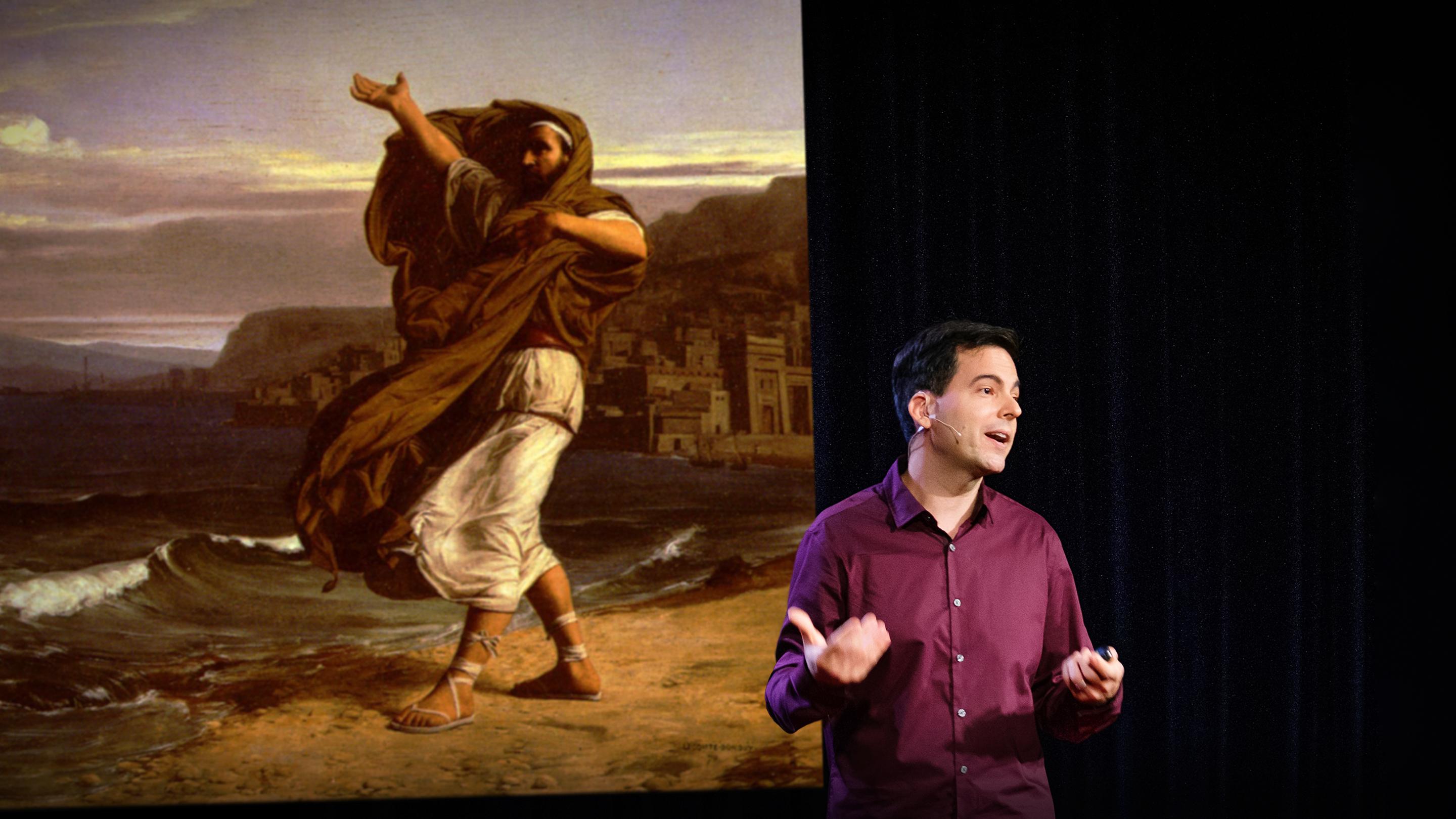 How to get better at the things you care about | Eduardo Briceño
From 🇺🇸 TED Talks Daily, published at 2017-02-01 16:05
Working hard but not improving? You're not alone. Eduardo Briceño reveals a simple way to think about getting better at the things you do, whether that's work, parenting or creative hobbies. And he shares some useful techniques so you can keep learning and always feel like you're moving forward.Learn more about our flagship conference happening this April at attend.ted.com/podcast Hosted on Acast. See acast.com/privacy for more information.
-
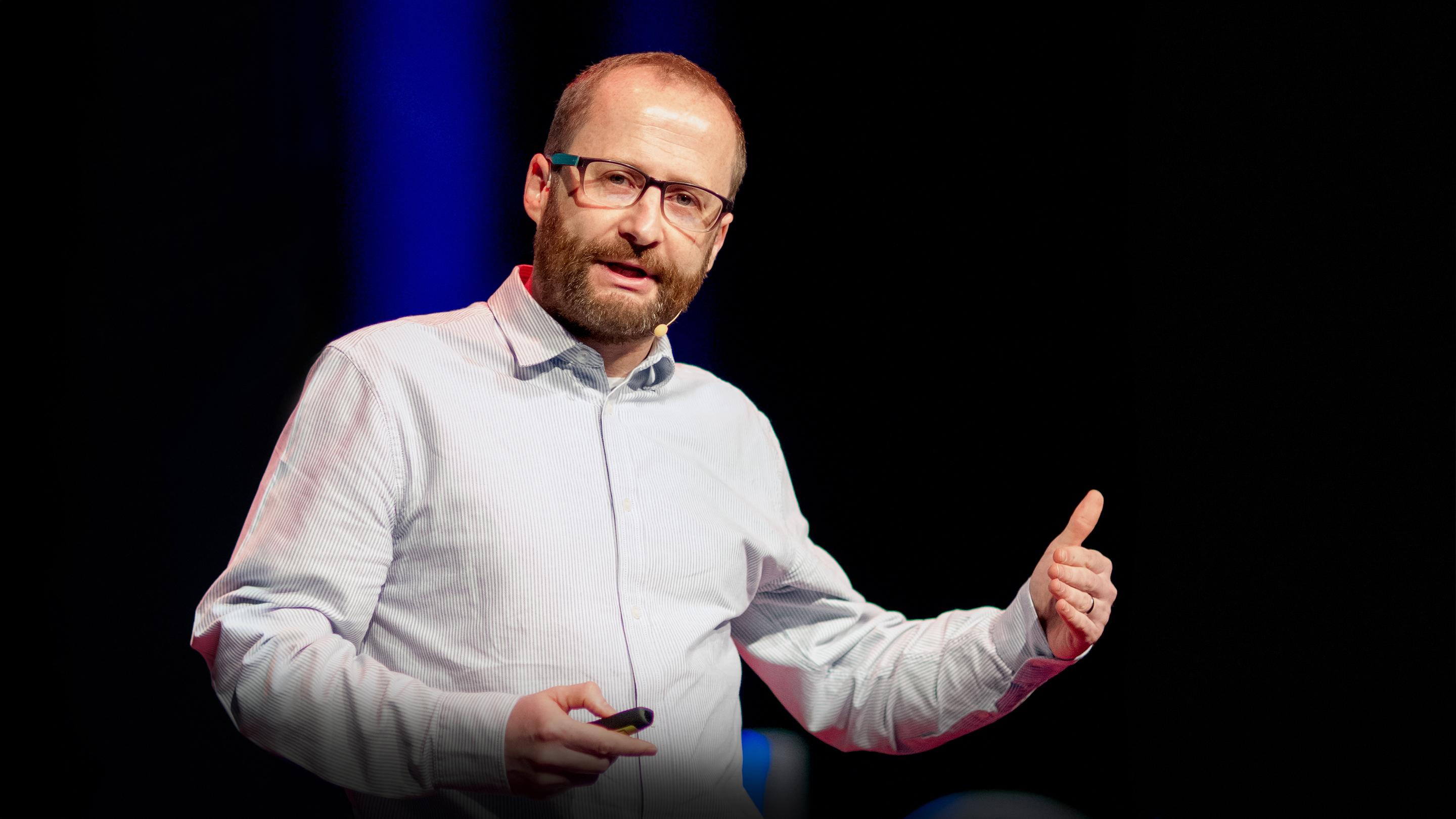 Why you should love statistics | Alan Smith
From 🇺🇸 TED Talks Daily, published at 2017-01-31 15:39
Think you're good at guessing stats? Guess again. Whether we consider ourselves math people or not, our ability to understand and work with numbers is terribly limited, says data visualization expert Alan Smith. In this delightful talk, Smith explores the mismatch between what we know and what we think we know.Learn more about our flagship conference happening this April at attend.ted.com/podcast Hosted on Acast. See acast.com/privacy for more information.
-
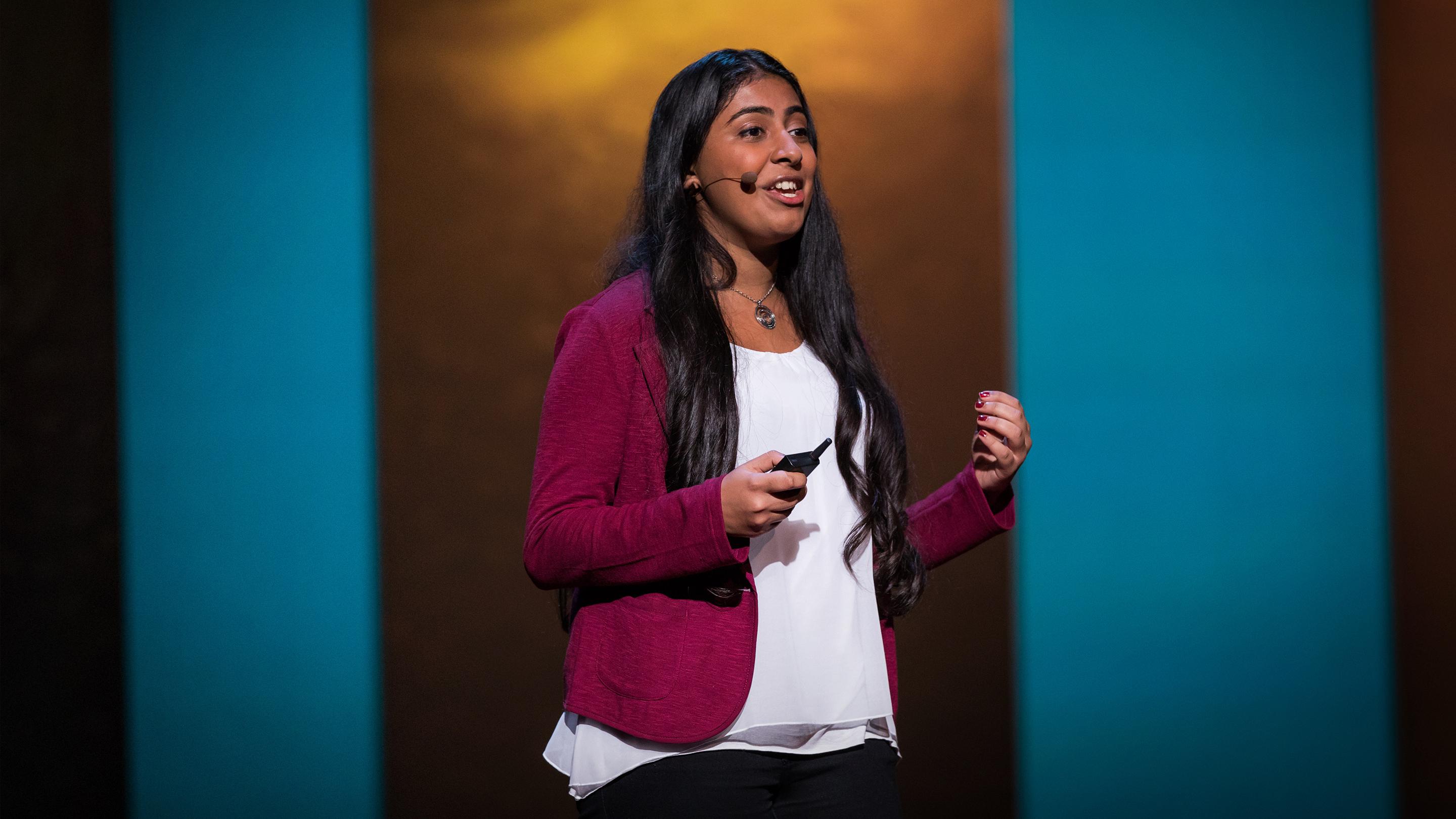 A young scientist's quest for clean water | Deepika Kurup
From 🇺🇸 TED Talks Daily, published at 2017-01-27 16:04
Deepika Kurup has been determined to solve the global water crisis since she was 14 years old, after she saw kids outside her grandparents' house in India drinking water that looked too dirty even to touch. Her research began in her family kitchen -- and eventually led to a major science prize. Hear how this teenage scientist developed a cost-effective, eco-friendly way to purify water.Learn more about our flagship conference happening this April at attend.ted.com/podcast Hosted on Acast. See acast.com/privacy for more information.
-
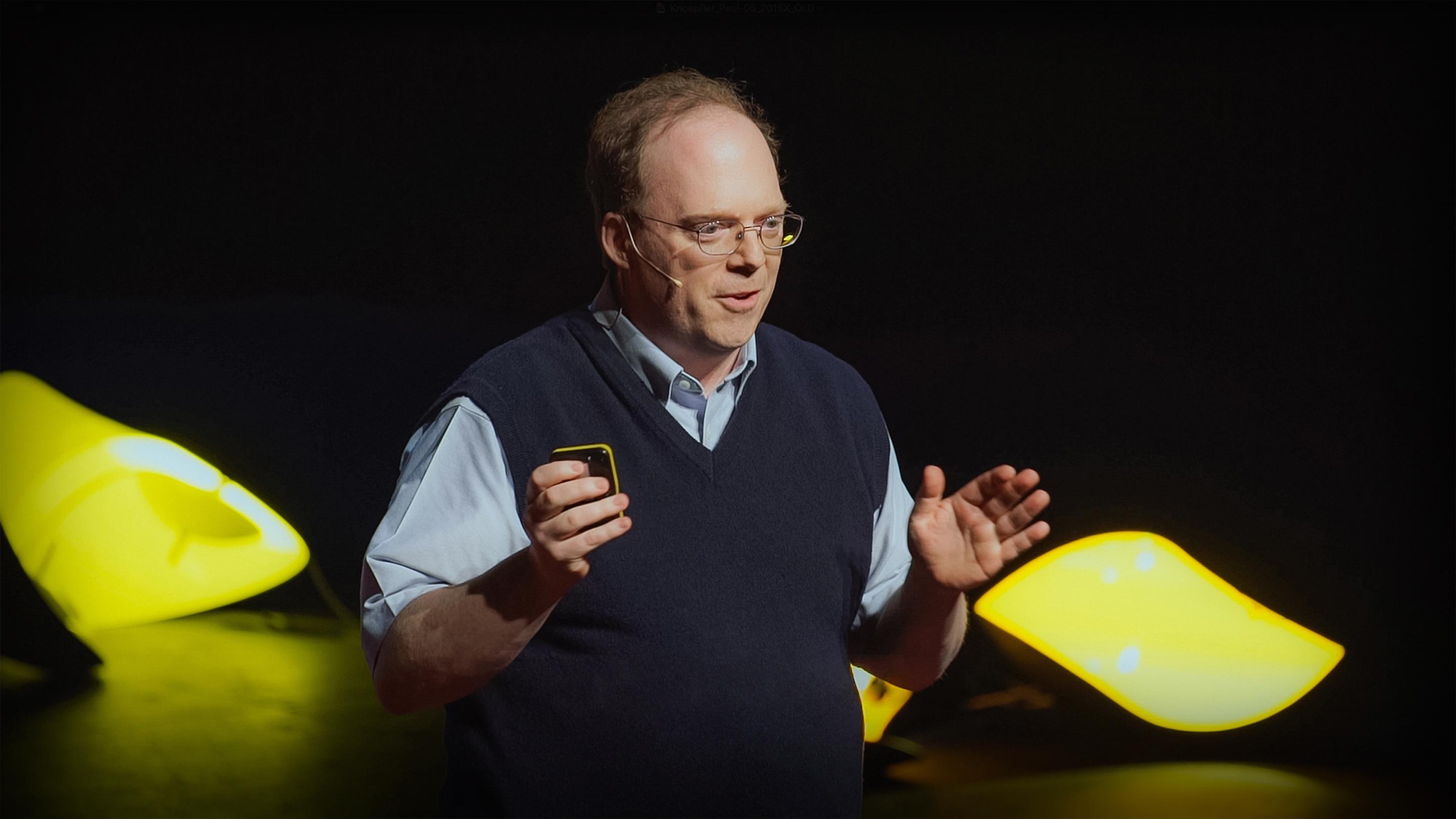 The ethical dilemma of designer babies | Paul Knoepfler
From 🇺🇸 TED Talks Daily, published at 2017-01-23 16:18
Creating genetically modified people is no longer a science fiction fantasy; it's a likely future scenario. Biologist Paul Knoepfler estimates that within fifteen years, scientists could use the gene editing technology CRISPR to make certain "upgrades" to human embryos -- from altering physical appearances to eliminating the risk of auto-immune diseases. In this thought-provoking talk, Knoepfler readies us for the coming designer baby revolution and its very personal, and unforeseeable, consequences.Learn more about our flagship conference happening this April at attend.ted.com/podcast Hosted on Acast. See acast.com/privacy for more information.
-
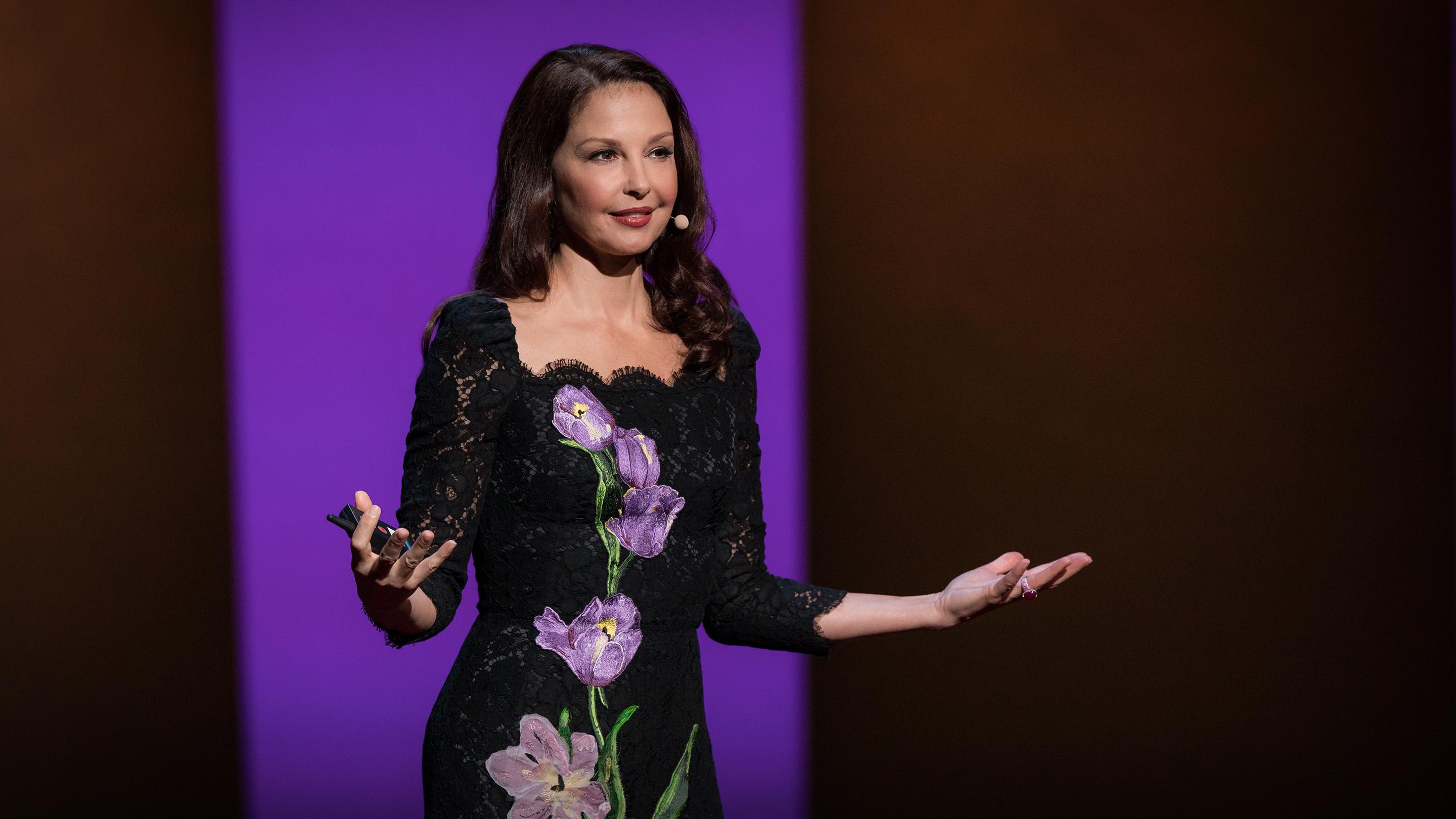 How online abuse of women has spiraled out of control | Ashley Judd
From 🇺🇸 TED Talks Daily, published at 2017-01-18 15:55
Enough with online hate speech, sexual harassment and threats of violence against women and marginalized groups. It's time to take the global crisis of online abuse seriously. In this searching, powerful talk, Ashley Judd recounts her ongoing experience of being terrorized on social media for her unwavering activism and calls on citizens of the internet, the tech community, law enforcement and legislators to recognize the offline harm of online harassment.Learn more about our flagship conference happening this April at attend.ted.com/podcast Hosted on Acast. See acast.com/privacy for more information.
-
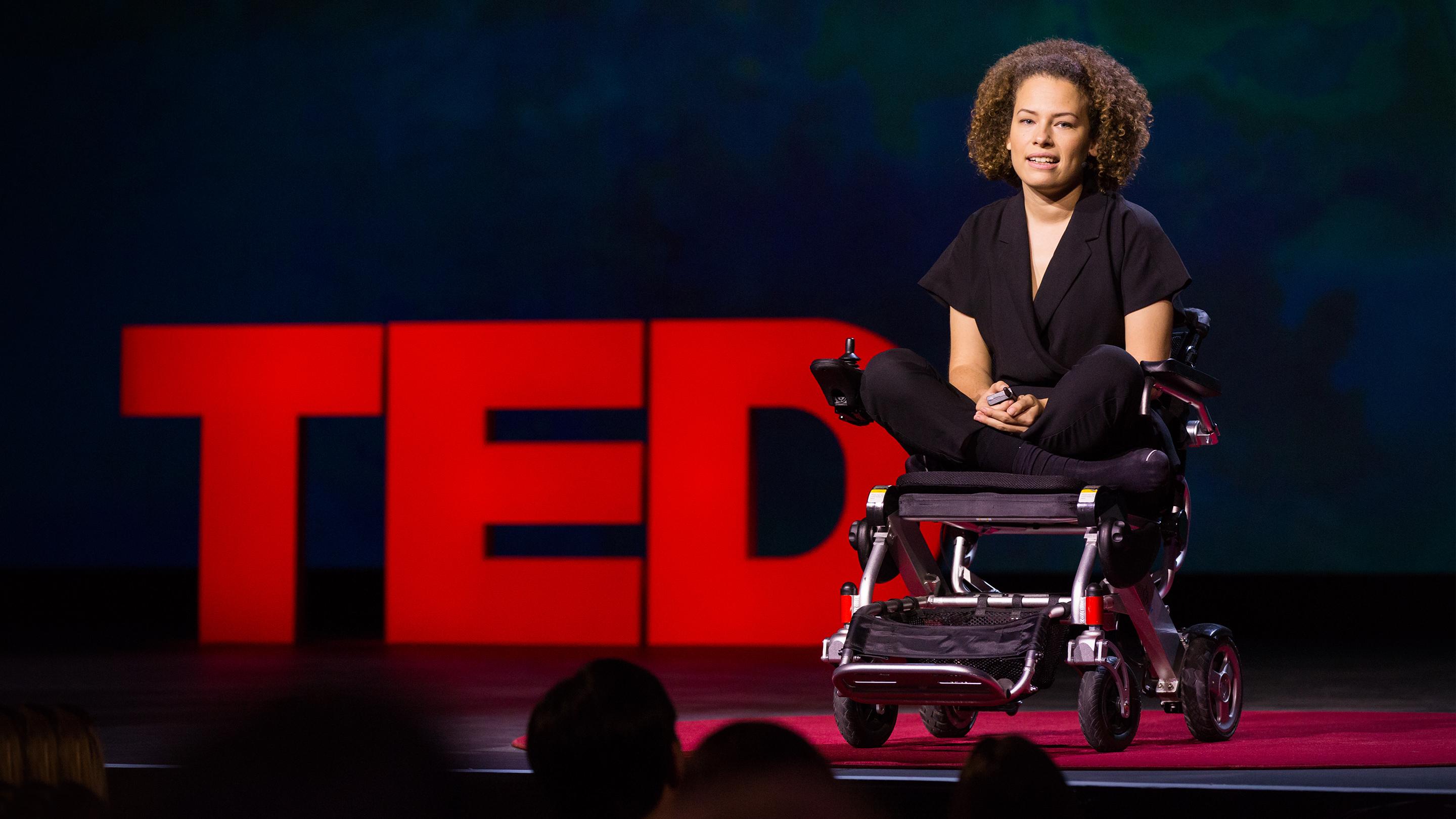 What happens when you have a disease doctors can't diagnose | Jennifer Brea
From 🇺🇸 TED Talks Daily, published at 2017-01-17 16:09
Five years ago, TED Fellow Jennifer Brea became progressively ill with myalgic encephalomyelitis, commonly known as chronic fatigue syndrome, a debilitating illness that severely impairs normal activities and on bad days makes even the rustling of bed sheets unbearable. In this poignant talk, Brea describes the obstacles she's encountered in seeking treatment for her condition, whose root causes and physical effects we don't fully understand, as well as her mission to document through film the lives of patients that medicine struggles to treat.Learn more about our flagship conference happening this April at attend.ted.com/podcast Hosted on Acast. See acast.com/privacy for more information.
-
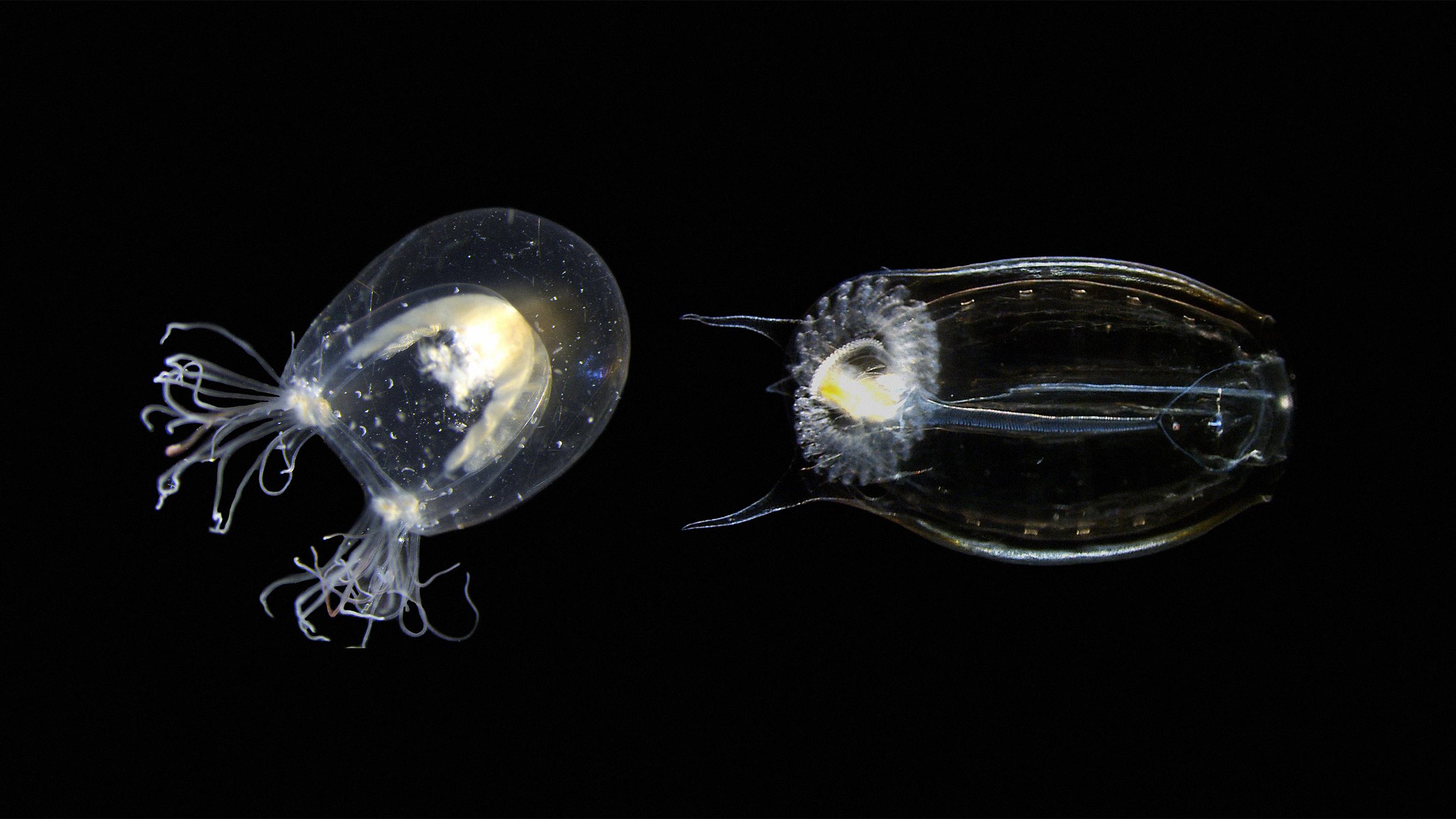 To solve old problems, study new species | Alejandro Sánchez Alvarado
From 🇺🇸 TED Talks Daily, published at 2017-01-12 16:07
Nature is wonderfully abundant, diverse and mysterious -- but biological research today tends to focus on only seven species, including rats, chickens, fruit flies and us. We're studying an astonishingly narrow sliver of life, says biologist Alejandro Sánchez Alvarado, and hoping it'll be enough to solve the oldest, most challenging problems in science, like cancer. In this visually captivating talk, Alvarado calls on us to interrogate the unknown and shows us the remarkable discoveries that surface when we do.Learn more about our flagship conference happening this April at attend.ted.com/podcast Hosted on Acast. See acast.com/privacy for more information.
-
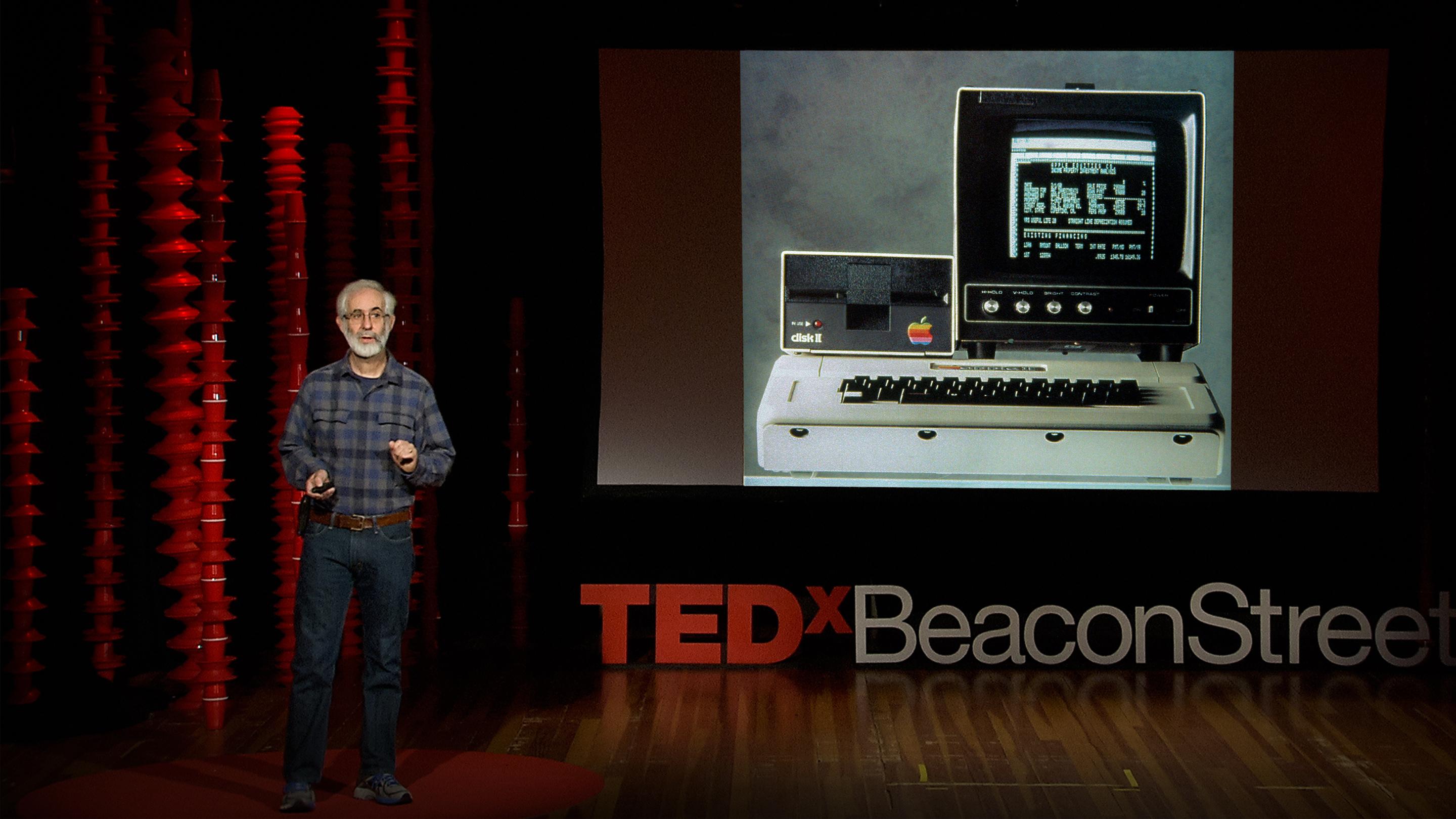 Meet the inventor of the electronic spreadsheet | Dan Bricklin
From 🇺🇸 TED Talks Daily, published at 2017-01-11 15:52
Dan Bricklin changed the world forever when he codeveloped VisiCalc, the first electronic spreadsheet and grandfather of programs you probably use every day like Microsoft Excel and Google Sheets. Join the software engineer and computing legend as he explores the tangled web of first jobs, daydreams and homework problems that led to his transformational invention.Learn more about our flagship conference happening this April at attend.ted.com/podcast Hosted on Acast. See acast.com/privacy for more information.
-
 The next step in nanotechnology | George Tulevski
From 🇺🇸 TED Talks Daily, published at 2017-01-10 16:19
Nearly every other year the transistors that power silicon computer chip shrink in size by half and double in performance, enabling our devices to become more mobile and accessible. But what happens when these components can't get any smaller? George Tulevski researches the unseen and untapped world of nanomaterials. His current work: developing chemical processes to compel billions of carbon nanotubes to assemble themselves into the patterns needed to build circuits, much the same way natural organisms build intricate, diverse and elegant structures. Could they hold the secret to the next generation of computing?Learn more about our flagship conference happening this April at attend.ted.com/podcast Hosted on Acast. See acast.com/privacy for more information.
-
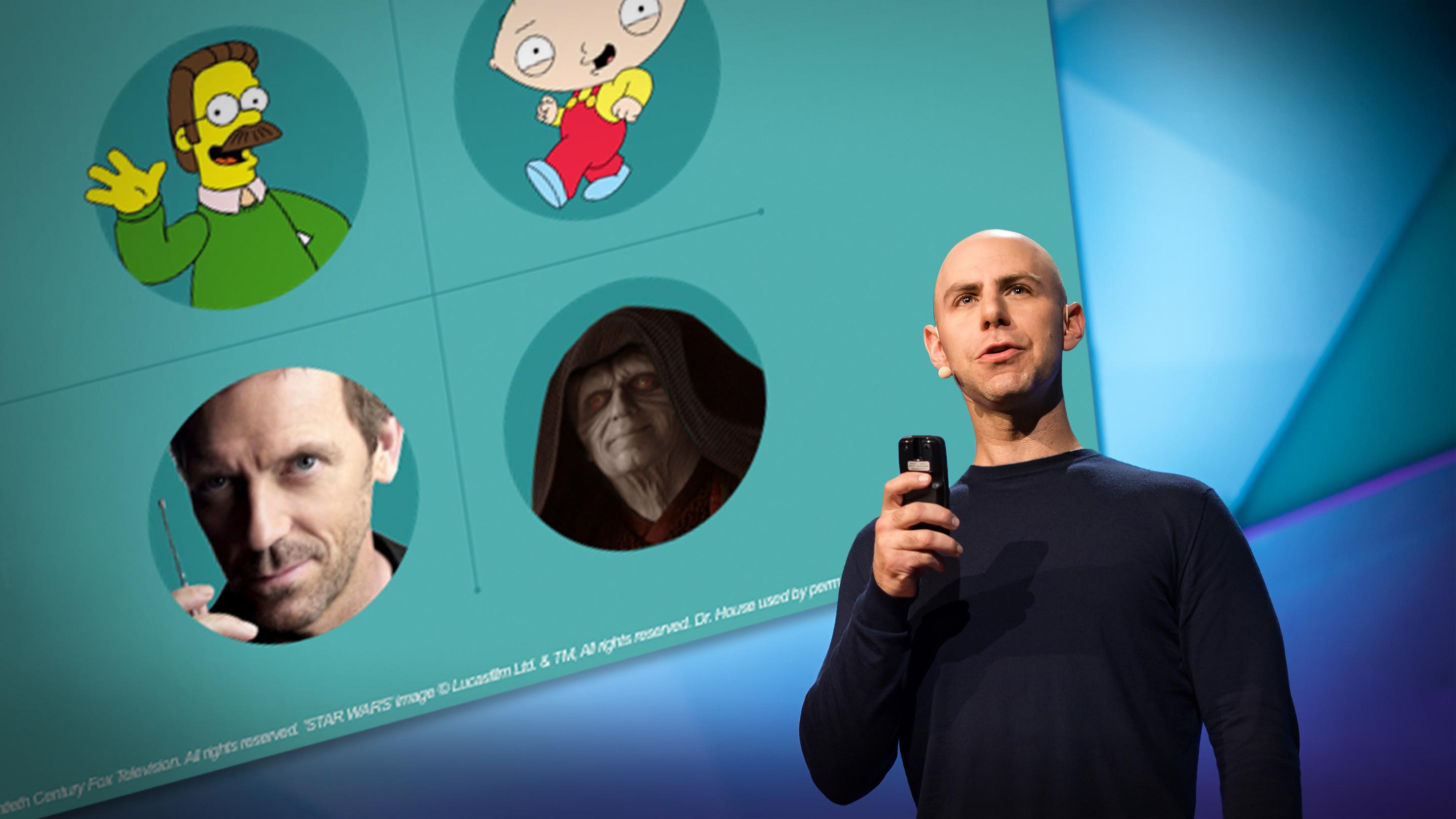 Are you a giver or a taker? | Adam Grant
From 🇺🇸 TED Talks Daily, published at 2017-01-03 15:37
In every workplace, there are three basic kinds of people: givers, takers and matchers. Organizational psychologist Adam Grant breaks down these personalities and offers simple strategies to promote a culture of generosity and keep self-serving employees from taking more than their share.Learn more about our flagship conference happening this April at attend.ted.com/podcast Hosted on Acast. See acast.com/privacy for more information.