-
 Gavin Baker – Tech and Consumer Growth Investing
From 🇺🇸 Invest Like the Best with Patrick O'Shaughnessy, published at 2019-11-26 10:30
My guest this week is Gavin Baker, the founder, and manager of Atreides Management. I met Gavin in the same way I meet many of the most interesting people, on twitter. His focus is on consumer and technology growth investing, which is the topic of our conversation. We discuss many of the largest trends in these sectors, several fascinating investment cases, and also explore the videogame industry in detail—which I found especially interesting. Please enjoy my conversation with Gavin Baker. For more episodes go to InvestorFieldGuide.com/podcast. Sign up for the book club, where you’ll get a full investor curriculum and then 3-4 suggestions every month at InvestorFieldGuide.com/bookclub. Follow Patrick on Twitter at @patrick_oshag Show Notes 1:16 – (first question) – His unique view on the markets 4:00 – Distilling Apple as a growth investment 6:44 – What is the most important lever for Apple looking forward 9:01 – His view on Intel 11:03 – Most important technological changes that may dictate his investing strategy 16:20 – How do you look at a big idea, like AR, and then apply to an individual business 18:21 – Fortnite isn't a game, it's a place 18:26– Fortnite Is the Future, but Probably Not for the Reasons You Think 18:56 – His insight into video games and their ability to control attention 28:36 – How do you invest in the gaming sector 40:06 – Favorite video games 32:07 – Why gaming and customer sector allows him to find Alpha richness 34:17 – Being in the top 1% of knowledge before investing in a company 36:24 – His view on value investing today and, in the future, 41:15 – Increase of regulatory capture 42:01 – Headwinds to the tech companies today 43:50 – Thoughts on the Chinese internet market and how it impacts US markets 45:36 – How often companies look at China for ideas 46:21 – Role of alternative data in his process 49:36 – Big trends today we should be paying attention to 54:20 – the most interesting company he does not own 58:48 – Advice for new investors 1:00:17 – Non-obvious tech resources - TechMeme 1:00:50 – Favorite sci-fi character 1:01:19 – Kindest thing anyone has done for him Learn More For more episodes go to InvestorFieldGuide.com/podcast. Sign up for the book club, where you’ll get a full investor curriculum and then 3-4 suggestions every month at InvestorFieldGuide.com/bookclub Follow Patrick on Twitter at @patrick_oshag All opinions expressed by Patrick and podcast guests are solely their own opinions and do not reflect the opinion of O'shaughnessy asset management. This podcast is for informational purposes only and should not be relied upon as a basis for investment decisions. Clients of O'shaughnessy asset management may maintain positions in the securities discussed in this podcast. Clients of the podcast guest’s firm may also maintain positions in the securities discussed in this podcast.
-
 Kevin Systrom and Mike Krieger – How to Build a Great Product
From 🇺🇸 Invest Like the Best with Patrick O'Shaughnessy, published at 2019-11-19 10:30
My guests this week are Kevin Systrom and Mike Krieger, the co-founders of Instagram. I met Kevin and Mike a few months ago over a shared interest in business and investing. I have found them both to be extremely good people who have a rare talent for finding and solving interesting problems. Indeed, problem-solving and jobs-to-be-done is a big part of our conversation. I realized walking into the podcast that Kevin and Mike have a rare set of experiences: having both built and sold an extremely successful product from scratch, but then also operated and scaled inside one of the largest businesses in the world. This means they have unique knowledge to offer just about anyone interested in business and products. We dig into all those lessons here. I am working on hosting more founders and CEOs on the podcast, and can’t think of a better pair to show you why I want to do so. Please enjoy my conversation with Kevin and Mike. For more episodes go to InvestorFieldGuide.com/podcast. Sign up for the book club, where you’ll get a full investor curriculum and then 3-4 suggestions every month at InvestorFieldGuide.com/bookclub. Follow Patrick on Twitter at @patrick_oshag Show Notes 1:38 – (first question) – Projects they’ve been working on since leaving Instagram 5:22 – How they can apply what they are learning in machine learning 7:18 – Most interesting experience diving back into data and machine learning 8:42 – How startups compare today to when they founded Instagram 13:23 – Judging founders and whether they know how to use their data effectively 14:26 – The jobs-to-be-done framework 19:14 – Laying out a vision vs solving problems that pop up 25:20 – Developing and sharing the principles of the company with the team 30:48 – Creating a community when it includes almost the entire world 39:03 – The most popular ways people used the platform 41:24 – What was the jobs-to-be-done rational behind the stories feature 44:15 – Interesting things that they saw as Instagram entered the developing world 46:40 – Their thoughts on how Instagram shaped culture and if they focused on those 52:58 – The new waves that they are observing right now 55:11 – How their thinking on leadership and teams changed during their time at Instagram and Facebook 1:03:23 – The pillars of a good business, including humility and confidence 1:06:06 – Focus on growth and distribution in a startup 1:10:01 – How early were they thinking about monetization on this free platform 1:13:43 – How do they think about how they invest their money and allocate resources 1:17:36 – Mentors for Kevin and Mike 1:20:30 – Their passion for learning to fly and the someday/maybe list 1:23:01 – Their interest in coffee 1:26:24 – Advice for everyone else 1:30:00 – Kindest thing anyone has done for them Learn More For more episodes go to InvestorFieldGuide.com/podcast. Sign up for the book club, where you’ll get a full investor curriculum and then 3-4 suggestions every month at InvestorFieldGuide.com/bookclub Follow Patrick on twitter at @patrick_oshag
-
 Daniel Ek – The Future of Audio
From 🇺🇸 Invest Like the Best with Patrick O'Shaughnessy, published at 2019-11-12 10:30
My guest this week is Daniel Ek, the founder and CEO of Spotify. In my conversations with Daniel, I’ve found him to be one of the most interesting and thoughtful business leaders in the world. You’ll see what I mean as you listen to our conversation. We talk about Spotify plenty, but what I so enjoy about Daniel is his way of thinking in systems and frameworks. He is committed to evolution, innovation, and growth for both himself and for Spotify and is on my shortlist of CEOs to emulate. This was one of my favorite conversations on the podcast, I hope you enjoy it. For more episodes go to InvestorFieldGuide.com/podcast. Sign up for the book club, where you’ll get a full investor curriculum and then 3-4 suggestions every month at InvestorFieldGuide.com/bookclub. Follow Patrick on Twitter at @patrick_oshag Show Notes 1:21 – (first question) – Management lessons from a Dubai chocolate maker 4:54 – Trends shaping the business landscape today: globalization, automation, and digitation 7:51 – How he thinks about the vertical integration of his business and scale 10:37 – Are companies doing a good job adjusting to the changes in the global business landscape 14:44 – How does Spotify view scale moving forward 17:59 – What trends has he seen among creators as a result of the Spotify platform 20:32 – The community benefit that has been created by the platform 23:47 – Intimacy of audio 25:31 – Creating an environment that continues to spur innovation 29:12 – Star vs constellation business strategy 32:21 – Measuring network health 35:12 – Spotify Originals and what his competition in the video market is doing 39:36 – How podcasts play into the growth strategy 43:04 – How did he solve the problem of competing with free 47:21 – Is their strategy repeatable, going after fractured suppliers 49:02 – Role of the CEO in a startup 51:22 – Others who have taught him great business lessons 53:18 – Kindest thing anyone has done for Daniel Learn More For more episodes go to InvestorFieldGuide.com/podcast. Sign up for the book club, where you’ll get a full investor curriculum and then 3-4 suggestions every month at InvestorFieldGuide.com/bookclub Follow Patrick on twitter at @patrick_oshag
-
 George Rzepecki – Investing in Africa
From 🇺🇸 Invest Like the Best with Patrick O'Shaughnessy, published at 2019-11-05 10:30
My guest this week is George Rzepecki, the found and managing partner Raba, an Africa focused investment firm. George is making investments across Africa in early-stage companies. Africa represents a fascinating opportunity: a huge and diverse population and enormous room for per capita GDP growth. We cover all aspects of investing in the continent, including unique potential rewards and risks. Please enjoy our conversation. For more episodes go to InvestorFieldGuide.com/podcast. Sign up for the book club, where you’ll get a full investor curriculum and then 3-4 suggestions every month at InvestorFieldGuide.com/bookclub. Follow Patrick on Twitter at @patrick_oshag Show Notes 1:18 – (first question) – Interest in emerging markets and the tech landscape in Africa 4:57 – Similarities across all of the different metro markets across Africa 8:05 – Why has the continent lagged behind the rest of the world 10:49 – What is the history and landscape of capital in the African continent 13:32 – The market opportunity given the demographics 15:44 – US investment/involvement in Africa 18:06 – Kinds of companies that he likes to invest in 23:26 – Initiatives and investments that could help lift the population out of poverty: finance 29:33 – The public marketplace landscape in Africa 31:49 – Capacity on the private side 34:24 – How the valuation of deals compares to other markets 36:13 – Unique risks in the investments they are making 38:28 – Most exciting trends or changes he is seeing 40:22 – The professional investor environment 43:25 – How to learn more and get involved 43:49 – China Africa Research Initiative 44:17 – China Africa Project 44:38 – Factfulness: Ten Reasons We're Wrong About the World--and Why Things Are Better Than You Think Learn More For more episodes go to InvestorFieldGuide.com/podcast. Sign up for the book club, where you’ll get a full investor curriculum and then 3-4 suggestions every month at InvestorFieldGuide.com/bookclub Follow Patrick on twitter at @patrick_oshag
-
 Chad Cascarilla – The Future of Blockchain and Financial Services
From 🇺🇸 Invest Like the Best with Patrick O'Shaughnessy, published at 2019-10-29 09:30
My guest today is Chad Cascarilla, the CEO and co-founder of Paxos, which describes itself as a financial technology company “mobilizing assets at the speed of the internet.“ Thanks to more than 20 years of investing and financial services experience, Chad has a unique perspective on integrating blockchain technology with traditional systems. He also has one of my favorite bitcoin origin stories, which we explore. Before Paxos, Charles co-founded institutional asset management complex Cedar Hill Capital Partners in 2005 and its blockchain-focused venture capital subsidiary, Liberty City Ventures (LCV). Our conversation is less about cryptocurrencies and more about the history, current state, and potential future states of our financial system. Please enjoy. For more episodes go to InvestorFieldGuide.com/podcast. Sign up for the book club, where you’ll get a full investor curriculum and then 3-4 suggestions every month at InvestorFieldGuide.com/bookclub. Follow Patrick on Twitter at @patrick_oshag Show Notes 1:32 - (First Question) – His work in the finance world before crypto’s 5:12 – Experience navigating the subprime mortgage trend and what it taught him about blockchain 9:59 – The levers that matter in the financial services industry today vs when he first started 14:07 – Open vs closed money in financial services 19:16 – How slowdowns are different in the modern era 23:06 – What would lead to a major winding down of global debt 27:09 – What would be his focus as a traditional investor 29:21 – How he first got involved with bitcoin 29:47 – Elliott Wave Newsletter 31:53 – His measured view of Bitcoin and living through the volatility of it 32:03 – Bitcoin: A Peer-to-Peer Electronic Cash System 35:57 – Allocation of a portfolio which includes crypto 36:54 – His involvement and feelings on gold 37:56 – The formation of Paxos and the problem it exists to solve 41:34 – How Paxos is impacting the space 44:12 – Advantages of a private blockchain 43:59 – What is Pax Gold and how does it work 48:53 – Bad ways and situations to own gold 52:12 – Using a stable coin 56:00 – Biggest problem they are working on now 57:23 – What should people be paying attention to in the crypto currency space 59:23 – Coindesk Research Archive 59:39 – Has the influx of interest in crypto helped in other spaces 1:02:11 – Other lessons people should learn from his career 1:04:53 – Kindest thing anyone has done for Chad Learn More For more episodes go to InvestorFieldGuide.com/podcast. Sign up for the book club, where you’ll get a full investor curriculum and then 3-4 suggestions every month at InvestorFieldGuide.com/bookclub Follow Patrick on twitter at @patrick_oshag
-
 Bill Gurley – Direct Listing vs. IPO
From 🇺🇸 Invest Like the Best with Patrick O'Shaughnessy, published at 2019-09-24 09:30
My guest this week is Bill Gurley, general partner at Benchmark Capital. Our conversation is about one specific issue that has popped up as a topic of interest in the investing community in recent months: the comparison between bringing a company public through a traditional IPO vs. what’s known as a direct listing. As a third party observer with no real dog in the hunt (as we don’t buy IPOs at O’Shaughnessy Asset Management), I thought this was a small and nuanced issue. I’ve therefore been surprised by the strength of opinions on both sides of this issue as I’ve explored it behind the scenes this past week. It feels almost like I’ve encountered a political third rail, where one side throws a lot of vitriol towards the other. To be clear, this episode is very much in favor of direct listings instead of traditional IPOs. For those that want a good discussion of the IPO process and its upsides, check out episode 173 of the Exponent podcast with Ben Thompson. Now please enjoy my very interesting conversation with Bill Gurley For more episodes go to InvestorFieldGuide.com/podcast. Sign up for the book club, where you’ll get a full investor curriculum and then 3-4 suggestions every month at InvestorFieldGuide.com/bookclub. Follow Patrick on Twitter at @patrick_oshag Show Notes 1:22 - (First Question) – His view on the IPO process 5:42 – Will now be the turning point for IPO’s 6:40 – The engagement between a new company going public and their counterparty and the IPO process 13:38 – The math of capital costs 18:18 – Banks that underprice the IPO’s 20:45 – The psychology of IPO’s 23:14 – The pop in the IPO and the media 24:54 – The value that shareholders give vs VC’s 25:37 – The Green Shoots 28:17 – The lock-up 31:40 – Direct listings vs IPO’s 36:07 – Spotify’s CEO Reveals Why He’s Not Doing a Traditional IPO 38:23 – The capital raised in an IPO and diluting the company 40:18 – Privilege access and buy-side firms 43:33 – What will actually lead to changes in the IPO space 44:48 – Why he became so interested in the IPO space Learn More For more episodes go to InvestorFieldGuide.com/podcast. Sign up for the book club, where you’ll get a full investor curriculum and then 3-4 suggestions every month at InvestorFieldGuide.com/bookclub Follow Patrick on Twitter at @patrick_oshag
-
 [REPLAY] Albert Wenger - World After Capital - [Invest Like the Best, EP.80]
From 🇺🇸 Invest Like the Best with Patrick O'Shaughnessy, published at 2019-09-17 09:30
My guest this week is Albert Wenger, a managing partner at Union Square Ventures and the author of the book World After Capital. Albert studied economics at Harvard and earned a PhD in information from technology, but if you’d asked me to guess before looking those up, I’d have guessed that he studied philosophy because of how widely he has thought about the world and the impact of technology. Our conversation is about how technology is changing the world from an Industrial Age to a knowledge age. We explore how cryptocurrencies, low cost computing, and regulation will impact our future and why the transition may require delicate care. I loved this conversation because of my obsession with the concept of scarcity. We explore what has been scarce through time and what may be scarce in the future. Albert is one of the most interesting thinkers I’ve come across and was a pleasure to speak with. I hope you enjoy our conversation. Hash Power is presented by Fidelity Investments For more episodes go to InvestorFieldGuide.com/podcast. Sign up for the book club, where you’ll get a full investor curriculum and then 3-4 suggestions every month at InvestorFieldGuide.com/bookclub. Follow Patrick on Twitter at @patrick_oshag Links Referenced World After Capital Show Notes 2:16 – (First Question) – Defining what it means to be human 2:58 – World After Capital 3:56 – Trans-humans vs neo-humans 4:37 – The concept of Qualia 5:25 – Albert’s investment philosophy= 8:27 – How Albert began his exploration into cryptocurrencies 12:59 – Most exciting things blockchains could enable 14:27 – How does Albert view blockchain technology from the view of an venture capital investor 17:00 - Why Albert thinks that the dominate cryptocurrency of our time may not exist just yet and what he is looking for in protocols that will become the leader in the space 20:16 – What are the central functions that will be important in cryptocurrencies 21:22 - The state of regulation in the cryptocurrency space 27:37 – What has Albert most excited for the future of blockchain 29:10 – The idea of universal basic income 32:26 – How do you solve the problem of giving money value in a world of universal basic income 35:00 – How scarcity has changed over time 39:01 – Role of financial capital in the last 200 years of civilization 42:39 – Are we as a society only capable of solving problems once they become an immediate threat 44:15 – Explaining the idea of attention as a scarce resource 47:56 – The two key drivers of change; zero marginal cost distribution and universality of computational power 53:13 - What should we as investors and inventors be focusing on as the new objective function 57:24 – Scariest aspect of this transition into the knowledge age 59:45 – Three basic freedoms we all seek; informational, economic, psychological 1:02:13 – Fermi’s paradox and the scarcity of attention 1:02:56 – How Albert thinks about his own day and wellbeing given all of this information 1:05:01 – Kindest thing anyone has done for Albert Learn More For more episodes go to InvestorFieldGuide.com/podcast. Sign up for the book club, where you’ll get a full investor curriculum and then 3-4 suggestions every month at InvestorFieldGuide.com/bookclub Follow Patrick on twitter at @patrick_oshag
-
 [REPLAY] Deep Basin – Earning Alpha in Energy - [Invest Like the Best, EP.81]
From 🇺🇸 Invest Like the Best with Patrick O'Shaughnessy, published at 2019-09-11 09:30
My guest this week are Matt Smith and Ian singer of Deep Basin Capital, a hedge fund specializing in the energy sector. I first met Matt almost 10 years and, in that time, I’ve grown to respect him as much as any investor that I’ve ever met. Now having spent time with Ian, who specializes in oil and gas field exploration companies and the rest of the Deep Basin team, I have similar respect and admiration for all of them. Deep Basin does almost the exact opposite of what us quants do. In fact, their entire goal is to build a portfolio of mostly idiosyncratic or stock specific risk, the very thing us quants mostly remove from portfolios. Deep Basin positions the portfolio to make a series of carefully constructed bets, long and short, without taking market risk, style-factor risk, or even commodity risk. They use a hybrid fundamental and quantitative process which we explore in detail. This is definitely another good example of who we are all up against in public markets. What makes this story unique is that we are investors in Deep Basin’s management company and so have a clear interest in their ongoing success. Listeners know that I want to be as transparent as possible on this podcast so we event spend a little time telling the story about how it all came together a few years ago. I have learned a ton about investing from my countless hours with this team and hope that this conversation gives you a glimpse into what is happening at the cutting edge of investing in the world of hedge funds. Please enjoy my conversation with Deep Basin For more episodes go to InvestorFieldGuide.com/podcast. Sign up for the book club, where you’ll get a full investor curriculum and then 3-4 suggestions every month at InvestorFieldGuide.com/bookclub. Follow Patrick on Twitter at @patrick_oshag Books Referenced Expectations Investing: Reading Stock Prices for Better Returns Show Notes 2:47 – (First Question) – Looking at the universe of the energy space that they are focusing on 7:48 – Breaking down the important components and their labels in this space 10:27 – What makes energy companies distinct from the broader market. 12:52 – How the isolate unique value creation 14:58 – Ian’s take on the upstream part of the business where he has spent a lot of time 18:35 – How does Deep Basin use data and what edge do they derive from it. 21:31 – What insight are they looking for from updated well data 23:59 – How do they use combine the business value that they measure with the market price that is being forecasted 24:40 – Expectations Investing: Reading Stock Prices for Better Returns 29:34 – How do they build an actual portfolio 31:51 – Their systematic approach to energy investing 37:53 – What are their thoughts about using leverage when making investments in the energy space 40:53 – A look at the changes to the hedge fund industry over the entirety of their careers 45:46 – Defining the culture of Deep Basin 49:15 – The story of how OSAM and the O’Shaughnessy’s came to be investors in the Deep Basin 54:13 – Kindest thing anyone has done for each of them Learn More For more episodes go to InvestorFieldGuide.com/podcast. Sign up for the book club, where you’ll get a full investor curriculum and then 3-4 suggestions every month at InvestorFieldGuide.com/bookclub Follow Patrick on twitter at @patrick_oshag
-
 [REPLAY] Pat Dorsey - Buying Companies With Economic Moats [Invest Like the Best, Episode 51]
From 🇺🇸 Invest Like the Best with Patrick O'Shaughnessy, published at 2019-08-27 09:30
My guest this week is Pat Dorsey, who was the longtime director of equity research at Morningstar, where he specialized in economic moats: sources of sustained competitive advantage that allow a few companies to deliver huge returns over time. Several years ago he left Morningstar to form his own asset management firm, Dorsey asset management, and build a portfolio of companies with wide moats like those he studied at Morningstar. And while moats are critical, equally important is how companies allocate the capital generated--or made possible--by the existence of the moat. A special thank you to Brian Bares who introduced me to Pat, and to Will Thorndike--an earlier guest on the show. In the vast majority of conversations you hear on this show, I'm meeting the guest for the first time. I mention this to encourage you to connect me with anyone whose story or way of looking at the world might resonate. Always feel free to contact me with ideas. Pat and I begin our discussion with the key differences between the sell side and the buy side, and then discuss all aspects of moats and capital allocation. For comprehensive show notes on this episode go to http://investorfieldguide.com/dorsey For more episodes go to InvestorFieldGuide.com/podcast. To get involved with Project Frontier, head to InvestorFieldGuide.com/frontier. Sign up for the book club, where you’ll get a full investor curriculum and then 3-4 suggestions every month at InvestorFieldGuide.com/bookclub. Follow Patrick on Twitter at @patrick_oshag Show Notes 2:23 – (First question) – Transition from the sell side to the buy side and the biggest surprise 3:40 – What is a moat 5:16 – What part of the stock market universe has a moat 6:57 – Pat’s framework for identifying moat, starting with intangibles 8:32 – The power of brands 9:44 – what chance does an upstart have to come in and usurp a well-established brand 12:24 – Switching costs as part of the framework for identifying a moat 14:55 – The third component of identifying a moat, network effects, and what businesses should do to effectively build one 17:29 – Last component, cost advantages/economies of scale 19:29 – How do you analyze these four components into an investing framework that can be built into an actual strategy 21:13 – How does Pat think about this from a mis-pricing standpoint 23:37 – How does Pat incorporate current price of a company in consideration for future returns when pricing a moat 25:39 – How should a company with a moat operate to protect that characteristic, especially when it comes to their capital allocation 26:51 – Which characteristic of a moat does Pat find most intriguing 30:35 – What makes for good and smart capital allocation 35:58 – What is Pat’s process for identifying the best investment opportunities 38:38 – What are good economics when looking at a company 41:03 – If Pat could take any business, but have to swap leadership, what would he choose. 44:13 – Back to his process of finding investment opportunities 46:05 – Kindest thing anyone has ever done for Pat Learn More For more episodes go to InvestorFieldGuide.com/podcast. Sign up for the book club, where you’ll get a full investor curriculum and then 3-4 suggestions every month at InvestorFieldGuide.com/bookclub Follow Patrick on twitter at @patrick_oshag Read more at https://investlikethebest.libsyn.com/pat-dorsey-buying-companies-with-economic-moats-invest-like-the-best-ep51#oBGdOp1br4EMtORd.99
-
 Joe McLean – How to be a Pro’s Pro
From 🇺🇸 Invest Like the Best with Patrick O'Shaughnessy, published at 2019-08-20 09:30
My guest this week is Joe McLean, the founder of Intersect Capital, which provides financial advisory services to a variety of clients, including a number of NBA players and other professional athletes. What I loved about this conversation was the weaving of sport, coaching, and finance into a cohesive whole. There’s so much to take from this discussion—from the importance of service and low self-orientation to the impact of strict standards for who you work with, to common mistakes we all tend to make with money. Please enjoy my conversation with Joe McLean. For more episodes go to InvestorFieldGuide.com/podcast. Sign up for the book club, where you’ll get a full investor curriculum and then 3-4 suggestions every month at InvestorFieldGuide.com/bookclub. Follow Patrick on Twitter at @patrick_oshag Show Notes 1:18 - (First Question) – His backstory and the combination of athleticism and finance 2:43 – His time in Ireland 3:29 – Moving away from basketball and into finance 6:08 – What the Intersect business is today and his early lessons 7:55 – Most important coach/mentor 8:59 – Where the name Intersect came from 10:22 – Setting high standards early on 12:35 – Biggest mistakes he saw in his early clients 14:04 – Developing his value proposition to clients 14:24 – Michael Kitces Podcast Episode 16:57 – Process when he’s working with a client signing a new athletic contract 19:53 – The concept of a Pro’s Pro and Top 50 Reasons Professional Athletes Remain Wealthy 22:40 – Managing clients’ interest in creating businesses off their brand 24:20 – The role media plays in athletes’ long-term strategies 25:40 – Getting early clients into compliance with his strategy 28:24 – Daily maintenance role he plays with clients 32:24 – What has impressed him most from his young clients 33:36 – What makes for a great coach 34:50 – The meaning of “all in” to Joe 35:54 – His assessment of the financial services industry today 37:32 – Where his value in service came from 39:05 – Longer term vision for his business 40:33 – Unique ways he finds himself helping his clients 43:49 – Watching his client’s mentor the next generation 45:10 – Historical players and teams he personally admires 46:22 – Athletes and venture capital investing 47:38 – Who makes up his trust network 49:09 – What he’s most excited about for the future of the business 49:46 – Kindest thing anyone has done for Joe 50:24 – Biggest impact a coach had on his life Learn More For more episodes go to InvestorFieldGuide.com/podcast. Sign up for the book club, where you’ll get a full investor curriculum and then 3-4 suggestions every month at InvestorFieldGuide.com/bookclub Follow Patrick on twitter at @patrick_oshag
-
 Zack Kanter – All Things Business
From 🇺🇸 Invest Like the Best with Patrick O'Shaughnessy, published at 2019-08-13 09:30
This week’s guest is, Zack Kanter, the founder and CEO of the Stedi. Zack and I decided not to talk much about his business on this podcast and opted instead to explore more generally, so a bit of an introduction to what they do may be helpful here for some extra context. Stedi is a platform for exchanging and automating 300+ types of business-to-business transactions - transactions like purchase orders, invoices, etc. It’s a modern take on an archaic protocol called EDI - electronic data interchange, something I’d never even heard of until several months ago. Learning about EDI is a bit like finding out about the Matrix - every physical object you come across, from the food you ate for breakfast to the clothes you’re wearing and consumer electronics you use - anything with a barcode on it - was likely touched by EDI, often dozens of times before making it into your hands. Stedi is the first update to this messaging later in decades. Our conversation in this podcast is about business in general, starting with Zack’s fascination with Walmart and Amazon. I should also not that my family is a recent investor in Stedi, and I’m thankful to have learned a great deal from him over the past few months. Please enjoy our conversation. For more episodes go to InvestorFieldGuide.com/podcast. Sign up for the book club, where you’ll get a full investor curriculum and then 3-4 suggestions every month at InvestorFieldGuide.com/bookclub. Follow Patrick on Twitter at @patrick_oshag Show Notes 1:52 - (First Question) – Interest in Walmart and Amazon 4:02 – Sam Walton: Made In America 4:49 – What from their success can be applied elsewhere 11:07– The idea of tempo with a business 17:17 – Ability for a business to expand laterally 24:33 - Magic of Amazon as a constitution 26:24 – The concept of the OODA loop 26:40 – Boyd: The Fighter Pilot Who Changed the Art of War 31:51 – Orientation within software businesses 32:24 – The Systems Bible: The Beginner's Guide to Systems Large and Small 38:03 – Lessons in building software 38:37– Certain to Win: The Strategy of John Boyd, Applied to Business 41:51 – Setting a common vision for a company 44:14 – Changing the dynamic of teams and how different size teams can accomplish different things 48:00 – How leaders should think about build vs buy 51:07 – The different types of value propositions 53:07 – Utility for companies 57:31 – Concept of network health and the best question from VCs 1:04:04 – Massive projects are less frequent in a world where we can do a lot quickly 1:04:08 – Wait but Why 1:09:37 – Just in time vs just in case learning framework 1:11:55 – His favorite question 1:13:39 – Why is most commonly heard advice wrong 1:18:06 – Kindest thing anyone has done for Zack Learn More For more episodes go to InvestorFieldGuide.com/podcast. Sign up for the book club, where you’ll get a full investor curriculum and then 3-4 suggestions every month at InvestorFieldGuide.com/bookclub Follow Patrick on twitter at @patrick_oshag
-
 Chris Bloomstran – What Makes a Quality Company
From 🇺🇸 Invest Like the Best with Patrick O'Shaughnessy, published at 2019-08-06 09:30
My guest this week is Chris Bloomstran, the president and chief investment officer of Semper Augustus Investments Group. He became famous in investing circles a few years back for his incredibly detailed investigations of Berkshire Hathaway. While we do cover Berkshire towards the end of the conversation, we spend most of our time talking about what makes for a quality business. I loved some of his angles on the current landscape, including our discussion of companies like Richemont and Disney which are actively taking distribution back in house. Please enjoy our conversation. For more episodes go to InvestorFieldGuide.com/podcast. Sign up for the book club, where you’ll get a full investor curriculum and then 3-4 suggestions every month at InvestorFieldGuide.com/bookclub. Follow Patrick on Twitter at @patrick_oshag Show Notes 1:18 - (First Question) – Largest investing error 4:52 – Defining quality investor and their investment strategy 11:48 – Incremental return on capital and other themes that they focus on with investments 15:33 – Importance of unique business models 22:58 – Ownership of the customer relationship 28:06 – Bringing distribution back in house 29:55 – Doing something unique with owned distribution 32:40 – His thoughts on growth and value 32:42 – Chuck Akre podcast episode 37:12 – History of his interest in Berkshire Hathaway and he characterizes the business 53:29 – How is Berkshire protected into the future 59:17 – Most important trends in adjustments 1:08:00 – Which sectors or industries would he focus on 1:10:02 – Most intriguing business he’s unlikely to own 1:11:44 – Kindest thing anyone has done for him Learn More For more episodes go to InvestorFieldGuide.com/podcast. Sign up for the book club, where you’ll get a full investor curriculum and then 3-4 suggestions every month at InvestorFieldGuide.com/bookclub Follow Patrick on twitter at @patrick_oshag
-
 Brian Christian – How to Live with Computers
From 🇺🇸 Invest Like the Best with Patrick O'Shaughnessy, published at 2019-07-30 09:30
My guest this week is Brian Christian, the author of two of my favorite recent books: Algorithms to Live By and The Most Human Human. Our conversation covers the present and future of how humans interact with and use computers. Brian’s thoughts on the nature of intelligence and what it means to be human continue to make me think about what works, and life, will be like in the future. I hope you enjoy our conversation. For more episodes go to InvestorFieldGuide.com/podcast. Sign up for the book club, where you’ll get a full investor curriculum and then 3-4 suggestions every month at InvestorFieldGuide.com/bookclub. Follow Patrick on Twitter at @patrick_oshag Show Notes 1:11 - (First Question) – Summarizing his collection of interests that led to his three books 2:59 – Biggest questions in AI 3:43 – Defining AGI (Artificial General Intelligence) and its history 5:18 – Computing Machinery and Intelligence 7:54 – The idea of the most human human 9:59 – Tactics that have changed the most in learning to be the most human human 16:10 –Tests for measuring AGI and updates made to them 20:12 – Concerns for once we have AGI 26:06 – Self-awareness as a threshold for AGI 31:58 – Skeptics’ take on AGI 37:14 – Advice for people building careers and how AGI will impact work 38:16 – Explore/Exploit trade-off 44:57 – How to explore/exploit applies to business concepts 49:16 – Impacts of AGI on the economy 52:40 – Highlights from his second book 57:39 – Kindest thing anyone has done for Brian Learn More For more episodes go to InvestorFieldGuide.com/podcast. Sign up for the book club, where you’ll get a full investor curriculum and then 3-4 suggestions every month at InvestorFieldGuide.com/bookclub Follow Patrick on twitter at @patrick_oshag
-
 Eric Sorensen - How Quant Evolves
From 🇺🇸 Invest Like the Best with Patrick O'Shaughnessy, published at 2019-07-23 09:30
My guest this week is Eric Sorensen, the CEO of Panagora asset management, which manages more than $46B for clients across a variety of strategies. Eric began his career serving in the Air Force as both a pilot and instructor in high-performance jet aircraft. He then accumulated 40 years of quantitative research and investment experience, with a Ph.D. along the way. Please enjoy our conversation on the changing landscape of quantitative investment strategies. For more episodes go to InvestorFieldGuide.com/podcast. Sign up for the book club, where you’ll get a full investor curriculum and then 3-4 suggestions every month at InvestorFieldGuide.com/bookclub. Follow Patrick on Twitter at @patrick_oshag Show Notes 1:15 - (First Question) – His background in the Air Force 1:23 – Boyd: The Fighter Pilot Who Changed the Art of War 3:18 – Training people on high-performance machines 4:47 – Traits that made for better pilots 5:51 – The evolution of quantitative equity research and its stages 7:56 – How his research led to becoming a practitioner 9:10 - The early feature sets in his research 10:44 – Tradeoffs in the spectrum of interpretability 12:08 – Early days of his practitioner career 13:24 – Risk Premia and the 5 C’s 14:28 – Quantitative Equity Portfolio Management: Modern Techniques and Applications 17:13 – Applying the 5 C’s to value investing 18:38 – Knowing when a strategy/signal is broken 21:24 – What does this strategy plan mean for his firm today 24:56 – Mixing expert systems and portfolio construction 30:07 – Natural language processing 32:00 – The cultivating the power and creativity to ask good questions 35:13 – The concept of a research graveyard 37:45 – State of risk premia today 40:04 – Active equity process 46:37 – Frontiers of research that he’s excited about 48:53 – Safe havens for non-quantitative investors 52:16– Advice for young quants 54:36 – Quants on the buy-side that he admires 55:41 – Kindest thing anyone has done for him Learn More For more episodes go to InvestorFieldGuide.com/podcast. Sign up for the book club, where you’ll get a full investor curriculum and then 3-4 suggestions every month at InvestorFieldGuide.com/bookclub Follow Patrick on Twitter at @patrick_oshag
-
 Jane McGonigal – How Games Make Life Better
From 🇺🇸 Invest Like the Best with Patrick O'Shaughnessy, published at 2019-07-16 09:30
Jane McGonigal, PhD is a world-renowned designer of alternate reality games — or, games that are designed to improve real lives and solve real problems. She is the Author of Reality is Broken: Why Games Make Us Better and How They Can Change the World and is the inventor and co-founder of SuperBetter, a game that has helped nearly a million players tackle real-life health challenges such as depression, anxiety, chronic pain, and traumatic brain injury. Our conversation is about how to design useful games, how games effect us and our kids, and what the future might hold. Please enjoy. For more episodes go to InvestorFieldGuide.com/podcast. Sign up for the book club, where you’ll get a full investor curriculum and then 3-4 suggestions every month at InvestorFieldGuide.com/bookclub. Follow Patrick on Twitter at @patrick_oshag Show Notes 1:22 - (First Question) – Her take on the history of gaming and studying the players themselves 3:44 – Where her passion for gaming really started 4:55 – Her take on flow states 7:47 – Kids and gaming 10:32 – Advice for parents when it comes to the role of games 11:06 – SuperBetter: A Revolutionary Approach to Getting Stronger, Happier, Braver and More Resilient--Powered by the Science of Games 13:53 – Types of games that develop the right skills for kids 16:20 – Four things all games share in common 16:23 – Reality Is Broken: Why Games Make Us Better and How They Can Change the World 20:50 – Her take on Carse’s theory about infinite gaming 21:04 – Finite and Infinite Games 26:28 – How to understand gaming culture if you’ve never played a game before 28:28 – Amazon and gaming 31:18 – How fun makes anything more enjoyable 34:55 – How game designers calibrate feedback loops 39:14 – The good and bad of gamifying life 45:01 – What is the superbetter app 52:43 - Why powerups and bad guys are so important in games 57:03 – Secret identity 59:04 – Playing with boundaries 1:00:36 – Most worried about in the gaming world, and most exited about 1:07:32 – Kindest thing anyone has done for Jane Learn More For more episodes go to InvestorFieldGuide.com/podcast. Sign up for the book club, where you’ll get a full investor curriculum and then 3-4 suggestions every month at InvestorFieldGuide.com/bookclub Follow Patrick on twitter at @patrick_oshag
-
 Bill Gurley – All Things Business and Investing
From 🇺🇸 Invest Like the Best with Patrick O'Shaughnessy, published at 2019-07-02 09:30
My guest this week is Bill Gurley, a general partner at Benchmark Capital and one my favorite investment thinkers. As you’ll hear, despite enormous success through his career, Bill is clearly still in love with business and investing. Where many might discuss past glories, I’ve been incredibly impressed with how both Bill and his partners emphasize the current portfolio and market landscape. I’m thankful to have had the chance to speak with him in this format. I hope you enjoy our conversation. For more episodes go to InvestorFieldGuide.com/podcast. Sign up for the book club, where you’ll get a full investor curriculum and then 3-4 suggestions every month at InvestorFieldGuide.com/bookclub. Follow Patrick on Twitter at @patrick_oshag Show Notes 1:13 - (First Question) – The idea of increasing returns 1:21 – Competiting Technologies, Increasing Returns, and Lock-in By Historical Events 2:07 – Complex Systems Theory – Santa Fe Institute 4:35 – Markers that could be a sign of network effect in a company 6:27 – The opportunities for companies to capture network effect 8:46 – Are there certain teams/leaders that are more conducive to leading a network effect company 11:55 – Liquidity quality 13:35 – How important is the revenue model at the beginning 15:59 – Fascination with Nextdoor 17:56 – Paradox of Choice 18:39 – Finding opportunities 20:17 – Potential marketplaces and assets that could be commoditized 20:20 – All Markets Are Not Created Equal: 10 Factors To Consider When Evaluating Digital Marketplaces 21:39 – Usage yield on the world’s assets 23:50 – Has technology changed the world of value investing 26:28 – Hyper niche marketplaces 27:52 – Challenges of labor marketplaces 30:12 – User generated content businesses 32:44 – People who are capable of building UGC businesses 33:16 – His interest in Discord 34:31 – Factors of a healthy marketplace 37:57 – Fools’ gold in marketplace businesses 39:04 – How influx of cash is impacting the marketplace business landscape 40:43 – All Revenue is Not Created Equal: The Keys to the 10X Revenue Club 43:20 – How does the influx of money into the space impact him 46:44 – Spending money to attack top brands 50:32 – Regulatory capture 53:36 – His thoughts on the IPO market 57:49 – How did he realize this was his passion 1:00:42 – Qualifying his passion 1:01:52 – Favorite thing about working with entrepreneurs 102:48 – Honing your craft 1:04:33 – Making yourself a good mentor 1:05:56 – Kindest thing anyone has done for him Learn More For more episodes go to InvestorFieldGuide.com/podcast. Sign up for the book club, where you’ll get a full investor curriculum and then 3-4 suggestions every month at InvestorFieldGuide.com/bookclub Follow Patrick on twitter at @patrick_oshag
-
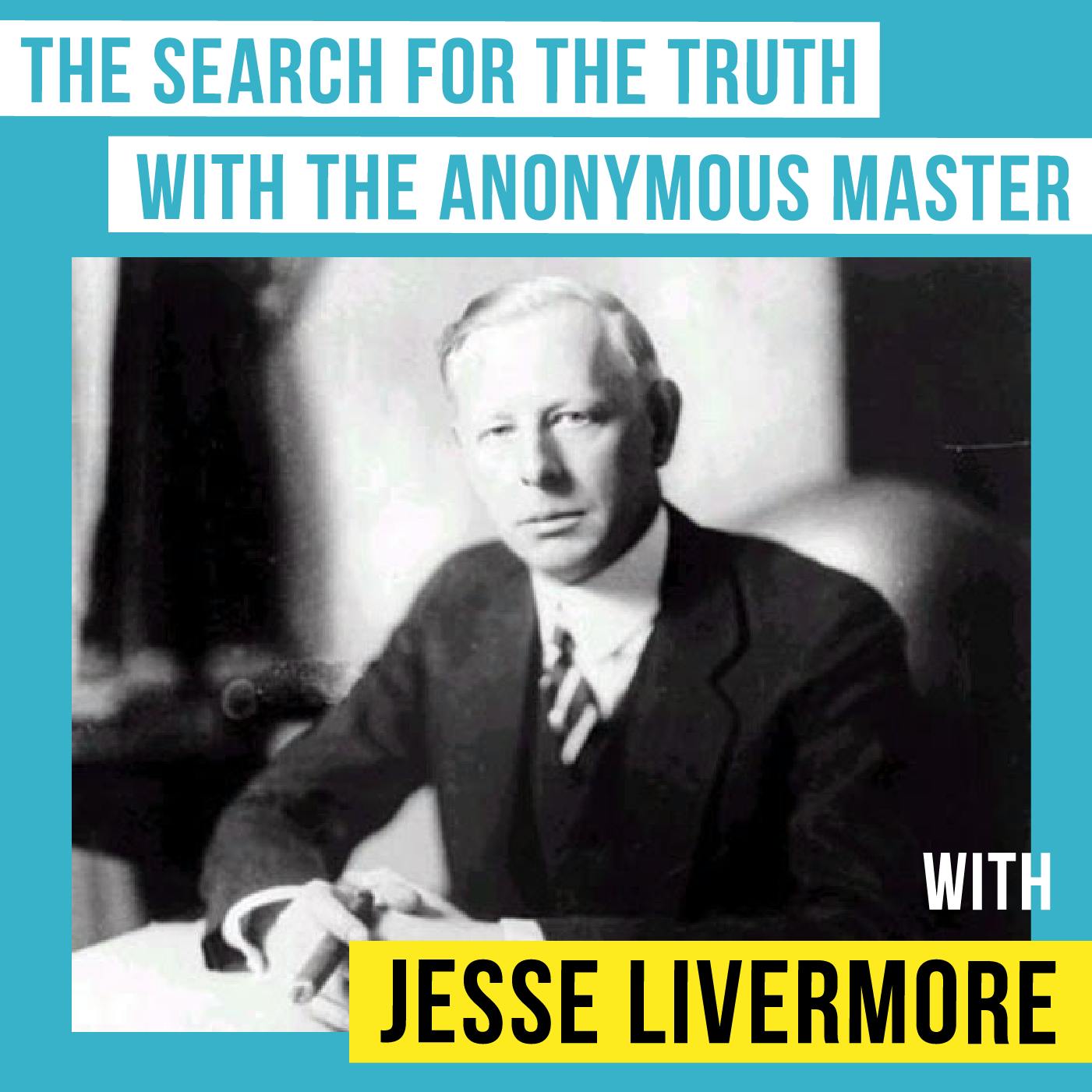 Jesse Livermore – The Search for the Truth with the Anonymous Master
From 🇺🇸 Invest Like the Best with Patrick O'Shaughnessy, published at 2019-06-25 09:30
This week I have a very special guest years in the making. Like another favorite episode, with anonymous guest Modest Proposal, this conversation is with one of the stars of the financial twitter universe who writes anonymously and goes by the pseudonym Jesse Livermore. I met Jesse 6 years ago after reading his unbelievably unique investing research, which tackled all the big and interesting issues in markets. He now also works with me as a research partner at OSAM, where’s he’s used our data to continue to his search for truth in markets. Despite being one of the brightest minds I’ve encountered he is also as humble and unassuming as they come. I’m at least a slightly better person because of trying to emulate how he conducts himself. I get to have many conversations with him that go from 0-100 fast, and I’m thrilled to be able to share one of those with you. For more episodes go to InvestorFieldGuide.com/podcast. Sign up for the book club, where you’ll get a full investor curriculum and then 3-4 suggestions every month at InvestorFieldGuide.com/bookclub. Follow Patrick on Twitter at @patrick_oshag Show Notes 1:33 - (First Question) – Jesse’s origin story for investing 4:37 – Exploring his ways of problem solving starting with intuitive 7:53 – David Epstein Podcast Episode 11:46 – Looking at the analytical way of problem solving 15:42 – Statistical inference 24:45 – Should we opt for simplicity in the investment process 25:26 – Does his own investing include all three, intuition, analysis, and statistics 26:09 – The evolution of his research, process, and thinking on various investment factors. 31:38 – Thoughts on inflation and its impact on market valuation 40:05 – The Earnings Mirage 46:25 – Free Cash flow and valuations 50:51 – What should investors take away from this research 53:01 – Thoughts on trend as an interesting market signal 59:00 – The problems with trend 1:00:34 – Post on “The Single Greatest Predictor of Future Stock Market Returns” 1:11:15 – His work into understanding factors 1:15:36 – Looking at momentum 1:18:16 – His curiosity into the current market cycle 1:20:04 – Lessons learned from his time in the military, an effective way to create an environment where people can safely disagree with their co-workers 1:30:10 – The concept of progress in meaningful work 1:33:08 – Kindest thing anyone has done for him Learn More For more episodes go to InvestorFieldGuide.com/podcast. Sign up for the book club, where you’ll get a full investor curriculum and then 3-4 suggestions every month at InvestorFieldGuide.com/bookclub Follow Patrick on twitter at @patrick_oshag
-
 Chuck Akre – The Three-Legged Stool
From 🇺🇸 Invest Like the Best with Patrick O'Shaughnessy, published at 2019-06-18 09:30
My guest today is Chuck Akre, a now widely famous investor who founded Akre Capital Management in 1989, which now manages approximately $10B dollars. We discuss his investing style and his “three-legged stool” for evaluating companies. Please enjoy this great conversation. For more episodes go to InvestorFieldGuide.com/podcast. Sign up for the book club, where you’ll get a full investor curriculum and then 3-4 suggestions every month at InvestorFieldGuide.com/bookclub. Follow Patrick on Twitter at @patrick_oshag Show Notes 1:06 - (First Question) – Advantage of being in Middleburg, Virginia 2:11 – What a day looks like for Chuck 3:06 – Why imagination is more important than knowledge 3:38 – Difference between curiosity and imagination 4:38 – The origins of the Nirvana Three-Legged Stool concept 10:14 – First leg of the stool, Extraordinary business and ROE’s with a focus on Bandag. 14:36 – How his evaluations of value has changed over the last 10-15 years 16:10 – A look at recent businesses that he’s bought and why they are interesting 19:56 – Why they keep things simple 21:35 – Second leg of the stool, the people involved and characteristics of managers he has invested in 23:20 – Role of capital allocation in the people he focuses on 28:03 – Favorite biographies 28:22 – 100 to 1 in the Stock Market: A Distinguished Security Analyst Tells How to Make More of Your Investment Opportunities 29:34 – Third leg of the stool, reinvestment 21:09 – How does he think about diversifying across an investment area 33:32 – Great businesses wrapped in a bad balance sheet 37:35 – What would cause him to sell 38:52 – What does he look for in people 43:27 – How curiosity has impacted his interest in land conservation 43:51 – Advice for investors, especially younger ones 46:14 – Kindest thing anyone has done for him Learn More For more episodes go to InvestorFieldGuide.com/podcast. Sign up for the book club, where you’ll get a full investor curriculum and then 3-4 suggestions every month at InvestorFieldGuide.com/bookclub Follow Patrick on twitter at @patrick_oshag
-
 Jerry Neumann – Why Venture is Hard
From 🇺🇸 Invest Like the Best with Patrick O'Shaughnessy, published at 2019-06-11 09:30
My guest this week is Jerry Neumann. Jerry is one of the most thoughtful early stage investors that I’ve encountered, and his writings at reactionwheel.net are my favorite on this topic. He applies an incredibly structured way of thinking to a notoriously mysterious investment category. This is our second conversation, in which we cover why investing with one’s gut is a bad idea and why some of the popular edges in startups, like network effects, may be picked over. Please enjoy our conversation. For more episodes go to InvestorFieldGuide.com/podcast. Sign up for the book club, where you’ll get a full investor curriculum and then 3-4 suggestions every month at InvestorFieldGuide.com/bookclub. Follow Patrick on Twitter at @patrick_oshag Show Notes 1:17 - (First Question) – His take on the venture landscape and the type of investments new VC’s are making vs what they should be making 3:44 – Most important implications of excess VC firms 5:32 – Misalignment of incentives in the VC space 8:19 – What he does differently from angel investors or VC’s 10:11 – The notion of risk and the types of risk the people he invests in takes 14:33 – Protections that he thinks about when it comes to the ideas he invests in 19:37 – Is there an area of expertise that provides an edge for startups 20:11 – Network effects are picked over 21:35 – IP protection 23:08 – One of the two most interesting things for VC’s to go after, brands 25:13 – The other most important thing, the value chain 27:42 – A current example of a disruptive value chain 29:14 – Innovation as the source of profit 29:16 – Schumpeter on Strategy 31:50 – Efficiency innovation vs value innovation 31:52 – Energy and Civilization: A History 35:50 – Efficiency investments he’s made 37:13 – Investment in Unsupervised and the machine learning landscape 41:25 – Investment in Sila 43:14 – Investment in Edmit 44:44 – investing on gut 50:32 – Black boxes and their value in investments 53:23 – Metrics about the predictive level of whether people are going to succeed 54:45 – What defines good people worth backing 57:50 – Advice for LP investors in this space and how they should evaluate VC’s in this space Learn More For more episodes go to InvestorFieldGuide.com/podcast. Sign up for the book club, where you’ll get a full investor curriculum and then 3-4 suggestions every month at InvestorFieldGuide.com/bookclub Follow Patrick on twitter at @patrick_oshag
-
 [REPLAY] Sam Hinkie – Data, Decisions, and Basketball
From 🇺🇸 Invest Like the Best with Patrick O'Shaughnessy, published at 2019-06-04 09:30
I came across this week’s guest thanks to the overlap of three passions of mine: data informed investing, value creation, and basketball. Sam Hinkie worked for more than a decade in the NBA with the Houston Rockets, and then most recently as the President and GM of the Philadelphia 76ers. He helped launch basketball's analytics movement when he joined the Houston Rockets in 2005, and is known for unique trade structuring and a keen focus on acquiring undervalued players. Today, he is also an investor and advisor to a limited number of young companies in which he feels his experience can improve outcomes. Please enjoy this unique episode with Sam Hinkie. Show Notes 3:24 – (First Question) Advantages of having a long view and how to structurally harness one 6:08 – Using technology to foster an innovative culture 6:18– Empire of the Summer Moon: Quanah Parker and the Rise and Fall of the Comanches, the Most Powerful Indian Tribe in American History 10:16 – Favorite example of applied innovation from Sam’s career 11:34 - Most fun aspect of doing data analytics early on the Houston Rockets 13:38 - Is there anything more important than courage in asymmetric outcomes 14:29 – How does Sam know when to let the art of decision making finish where the data started 16:29 - Pros and cons of a contrarian mindset 17:26 – Where he wanted to apply his knowledge in sports when first getting out of school and how his thinking is best applied in the current sports landscape 21:39 – How does he think about trying to find the equivalent of mispriced assets in the NBA 23:12 – Where tradition can be an impediment to innovation 25:07 – What did the team and workflow of the team look like in the front office 27:03 - The measure of truth in a sports complex 29:10 – What were the early factors coming out of the data that helped to shape NBA teams 30:42 – Best tactics for hiring 33:59 – Process of recruiting spectacular people 35:39 – Thoughts on fostering a good marriage 37:57 – Picking your kids traits in your spouse 38:02 – Selfish Reasons to Have More Kids: Why Being a Great Parent is Less Work and More Fun Than You Think 40:45 – What kind of markers does he look for when evaluating long term investment ideas 42:44 – His interest in machine learning 45:55 – What’s more exciting, the actual advances in machine learning or the applications that can be imagined as a result 47:15– International Justice Mission 48:11 – How he got started teaching negotiations and some of the points he makes in that class 49:16 – Effective techniques for negotiating 50:03 – Is negotiating contentious, do you need empathy 50:41 – A Rorschach test of Sam based on his reading of Lessons of History (book) 53:01 – Biggest risk Sam took in his career 54:37 – Biggest risks Sam took while with the 76ers 58:09 – Do people undervalue asymmetric outcomes in the NBA 1:00:11 – The players Sam has enjoyed watching over the years 1:02:45 – Why Robert Caro is a favorite author of his 1:04:30 – Kindest thing anyone has done for Sam