-
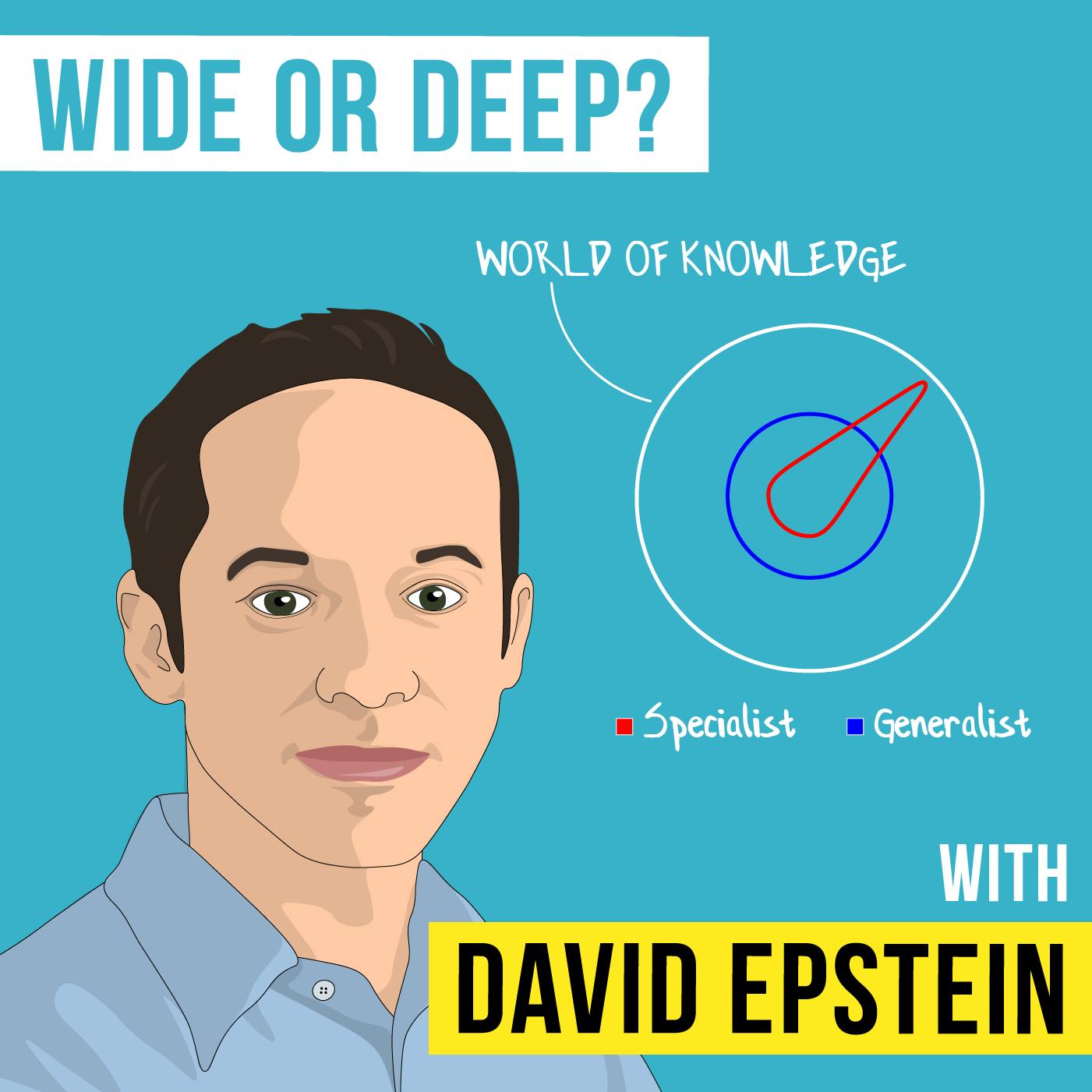 David Epstein – Wide or Deep?
From 🇺🇸 Invest Like the Best with Patrick O'Shaughnessy, published at 2019-05-28 09:30
My guest this week is David Epstein. David is a writer and researcher extraordinaire and the author of two great books. His second, Range, is out today and I highly recommend it. We discuss the pros and cons of both the generalist and specialist mindsets in detail and go down many interesting trails along the way. Please enjoy our conversation. For more episodes go to InvestorFieldGuide.com/podcast. Sign up for the book club, where you’ll get a full investor curriculum and then 3-4 suggestions every month at InvestorFieldGuide.com/bookclub. Follow Patrick on Twitter at @patrick_oshag Show Notes 1:12 - (First Question) – What he uncovered in “The Sports Gene: Inside the Science of Extraordinary Athletic Performance” that led him to his latest book 2:38 – Debate with Malcolm Gladwell (YouTube) 4:12 – What did the public pay most attention to and what did they gloss over 7:56 – How his views on nature vs nurture shifted during the process of writing The Sports Gene 10:05 – Blending practice with your nature 13:04 – His process of reading 10 journal articles a day as part of his research 19:06 – Exploring his new book “Range: Why Generalists Triumph in a Specialized World”, and his idea of Martian tennis 23:03 – Idea of the cult of the head start and how we set up our own feedback loops 28:58 – What does his research say about the nations education system 30:42 – The Flynn Effect chapter 33:54 – Hacks for learning 37:52 – The concept of struggle and harnessing the power of it 46:31 – Personality changes and how to drive those changes in a positive way 52:00 – Using the outside perspective in businesses for more productive outcomes and how it applied to Nintendo 52:59 – Josh Wolfe Podcast Episode 1:04:45 – Other examples of using withered technologies, 3M 1:09:00 – The arc of his work and how it has evolved 1:13:54 – Taking a different view on problems 1:17:52 – Ending Medical Reversal: Improving Outcomes, Saving Lives 1:18:04– Anyway to change these bad trends with new strategies Learn More For more episodes go to InvestorFieldGuide.com/podcast. Sign up for the book club, where you’ll get a full investor curriculum and then 3-4 suggestions every month at InvestorFieldGuide.com/bookclub Follow Patrick on twitter at @patrick_oshag
-
 Priya Parker – The Art of Gathering
From 🇺🇸 Invest Like the Best with Patrick O'Shaughnessy, published at 2019-05-21 09:30
This week I’m hosting an investor retreat and so thought it fitting to release this conversation with Priya Parker on the art of gathering. I’ve been interested in the topic of community and gathering for some time and along with the book The Art of Community, Priya’s book on the art of gathering is by far the best I’ve read. It is both conceptually interesting and extremely practical. In the book there is literally a table for how big a gathering space should be per person, sorted by the type of vibe you are after. We had a time constraint but I could have talked to Priya for much longer. I hope you enjoy our conversation as much as I did, and that it inspires you to do something new and different with friends, family, or colleagues. For more episodes go to InvestorFieldGuide.com/podcast. Sign up for the book club, where you’ll get a full investor curriculum and then 3-4 suggestions every month at InvestorFieldGuide.com/bookclub. Follow Patrick on Twitter at @patrick_oshag Show Notes 1:23 - (First Question) – Overview on what she does as a conflict resolution facilitator 1:38 – The Art of Gathering: How We Meet and Why It Matters 4:45 – Lessons about structuring a gathering from her early very difficult work and the idea of sustained dialogue 7:43 – First event she facilitated 9:38 – Importance of a good opening for any gathering 12:30 – Identifying a good purpose for a gathering 15:06 – Why being specific on rules/code of conduct leads to more success 18:54 – Do rules help facilitate more creativity in groups 21:22 – Segregating a good from bad purpose 24:34 – Identity and good/bad gatherings 26:50 – Purpose and the guest list for a gathering 31:03 – Community building is line drawing 32:27 – Dreams from My Father: A Story of Race and Inheritance 34:29 – Importance of well crafted invitations 35:17 – Making the middle of gatherings interesting 39:21 – Exploring risk at gatherings 41:28 – Patterns of Transformation 41:43 – The hero’s journey 46:54 – Making a meaningful transition out of these gatherings 52:39 – Kindest thing anyone has done for Priya Learn More For more episodes go to InvestorFieldGuide.com/podcast. Sign up for the book club, where you’ll get a full investor curriculum and then 3-4 suggestions every month at InvestorFieldGuide.com/bookclub Follow Patrick on twitter at @patrick_oshag
-
 [REPLAY] Tim Urban - Grand Theft Life
From 🇺🇸 Invest Like the Best with Patrick O'Shaughnessy, published at 2019-05-14 09:30
This week’s conversation is about artificial intelligence and interplanetary travel. Its about content creation, thinking from first principles, and death progress units. Its about brain machine interfaces and why it is crucial that you be a chef and not a cook. My guest is Tim Urban, along with his business partner Andrew Finn. Tim is the most entertaining writer I’ve come across in years, who explains complicated and interesting topics to his millions of dedicated readers on the website “Wait, But Why.” As an example, Tim’s last post on Elon Musk’s neurlink venture is 40,000 words long, roughly the length of a short book. It explains almost all of human progress and our potential future using drawings and cartoons. Its impossible to stop reading. While this conversation is wildly entertaining, it is also chock full of metaphors and lessons that will be useful to anyone doing creative work or building a company. I hope this leaves you as energized as it left me. I called this episode Grand Theft Life because that is the name that Tim and Andrew give to their worldview, which I think will change the way you behave, too. Please enjoy my conversation with Tim Urban. For comprehensive show notes on this episode go to http://investorfieldguide.com/urban For more episodes go to InvestorFieldGuide.com/podcast. To get involved with Project Frontier, head to InvestorFieldGuide.com/frontier. Sign up for the book club, where you’ll get a full investor curriculum and then 3-4 suggestions every month at InvestorFieldGuide.com/bookclub. Follow Patrick on Twitter at @patrick_oshag Books Referenced Superintelligence: Paths, Dangers, Strategies Links Referenced The Cook and the Chef: Musk’s Secret Sauce Wait But Why Neuralink and the Brain’s Magical Future Wait But Hi YouTube Channel Kurzgesagt – In a Nutshell Show Notes 1:50 – (First question) – Explaining his concept of planets 1, 2, 3 and 4 and understanding the human colossus 5:46 – Tim’s favorite idea of the human knowledge compounding 7:52 – Die Progress Units (DPU) 9:45 – Different stages of AI and the positives and negatives of each stage 14;04 – What happens when AI gains breadth and general intelligence 16:23 – The idea of a cook vs a chef and how Tim had the chance to interview Elon Musk 17:48 – Why you should reason from first principles instead of reasoning by analogies 25:19 – Why it’s possible to turn a cook into a chef 30:08 – Why being a chef is the safer route in a world with AI and what Tim has changed in himself as to why. 31:22 – Looking at the discovery process 34:39 – Superintelligence: Paths, Dangers, Strategies\ 40:01 – Being the person who creates the metaphor vs being the people who simply using them 43:41 – YouTube Channel Kurzgesagt – In a Nutshell 44:54 – Most fun that Tim has had researching a topic 46:08 – Musk model for attaining your goals 53:43 – Why not caring what people think is one of the world’s best superpowers, grand theft life 56:50 – Neuralink – what is it and how did Tim come to research it 1:02:38 – Elon Musk’s concerns about AI 1:14:28 – What then if the Neuralink concept works out 1:18:02 – Kindest thing anyone has done for Tim Learn More For more episodes go to InvestorFieldGuide.com/podcast. Sign up for the book club, where you’ll get a full investor curriculum and then 3-4 suggestions every month at InvestorFieldGuide.com/bookclub Follow Patrick on twitter at @patrick_oshag
-
 Stephanie Cohen – The Evolution of M&A and Corporate Strategy
From 🇺🇸 Invest Like the Best with Patrick O'Shaughnessy, published at 2019-05-07 09:30
My guest this week is Stephanie Cohen, who is the chief strategy officer for Goldman Sachs and a member of their management committee. Prior to her current role, she spent the majority of her career in the investment banking and M&A divisions at Goldman. We discuss lessons learned from her career in M&A and the many initiatives she now leads at the firm. I really enjoyed her perspective on how a big, established firm like Goldman can balance innovation with improving existing businesses. Please enjoy our conversation. For more episodes go to InvestorFieldGuide.com/podcast. Sign up for the book club, where you’ll get a full investor curriculum and then 3-4 suggestions every month at InvestorFieldGuide.com/bookclub. Follow Patrick on Twitter at @patrick_oshag Show Notes 1:15 - (First Question) – Motives on both sides for doing M&A 3:26 – Most difficult deal she worked on 4:50 – Biggest value add she brought from her seat on the Fiat deal 5:59 – Biggest changes since she started to today 8:31 – Smartest ways for companies who want to be acquired to be prepared 10:14 – Best M&A banker she’s seen 11:13 – What should businesses looking to make an acquisition be thinking about 15:16 – What does a strategy from her perspective mean 17:16 – Tension between innovation and change 19:46 – Difference between bottom-up and top-down components of strategy 22:15 – Exploration vs exploitation 26:28 – Submission process within accelerate 29:37 – Next step after you see a good idea 31:05 – Her take on FinTech and Industrials and their collision 35:15 – Lessons from elite early stage investors 37:21 – The origins of the LAUNCH program 40:06 – Important pieces beyond just the capital 42:42 – How they market to women starting business 44:56 – Lessons that she has learned about narrative and communications 47:07 – How she handles developing talent internally 49:28 – Managing her time 59:28 – Biggest concerns about OKR’s? 52:09 – Kindest thing anyone has done for Stephanie 53:07 – Kids in the area of competing Learn More For more episodes go to InvestorFieldGuide.com/podcast. Sign up for the book club, where you’ll get a full investor curriculum and then 3-4 suggestions every month at InvestorFieldGuide.com/bookclub Follow Patrick on twitter at @patrick_oshag
-
 [REPLAY] Will Thorndike - How Skilled Capital Allocators Compound Capital - [Invest Like the Best, EP.36]
From 🇺🇸 Invest Like the Best with Patrick O'Shaughnessy, published at 2019-04-30 09:30
This week’s guest is Will Thorndike, an author and investor whose book The Outsiders is an all-time favorite of mine. Our conversation is in two parts. First, we dive deep into the lessons of his 8-year research project studying CEOs who were master capital allocators. These CEOs include Henry Singleton, John Malone, Tom Murphy, Katherine Graham, and Warren Buffett. We discuss how these CEOs tended to be contrarians on topics like dividends, buybacks, acquisitions, and the use of debt. As we go through each of the tools in the capital allocators toolkit, you’ll hear several useful lessons for running or evaluating a business. In the second part, we cover Will’s career in private equity. Will founded and continues to run Housatonic Partners, investing in buyouts, recaps, and search funds. Will has been one of the most active search fund investors for decades, and given how much time I’ve spent in past episodes on the searchers or operators in the micro-cap, permanent equity space, it was great to get the perspective of an experienced LP. As always, we also take time to survey the dangers and opportunities in today’s private equity market. For comprehensive show notes on this episode go to http://investorfieldguide.com/thorndike For more episodes go to InvestorFieldGuide.com/podcast. Sign up for the book club, where you’ll get a full investor curriculum and then 3-4 suggestions every month at InvestorFieldGuide.com/bookclub. Follow Patrick on Twitter at @patrick_oshag
-
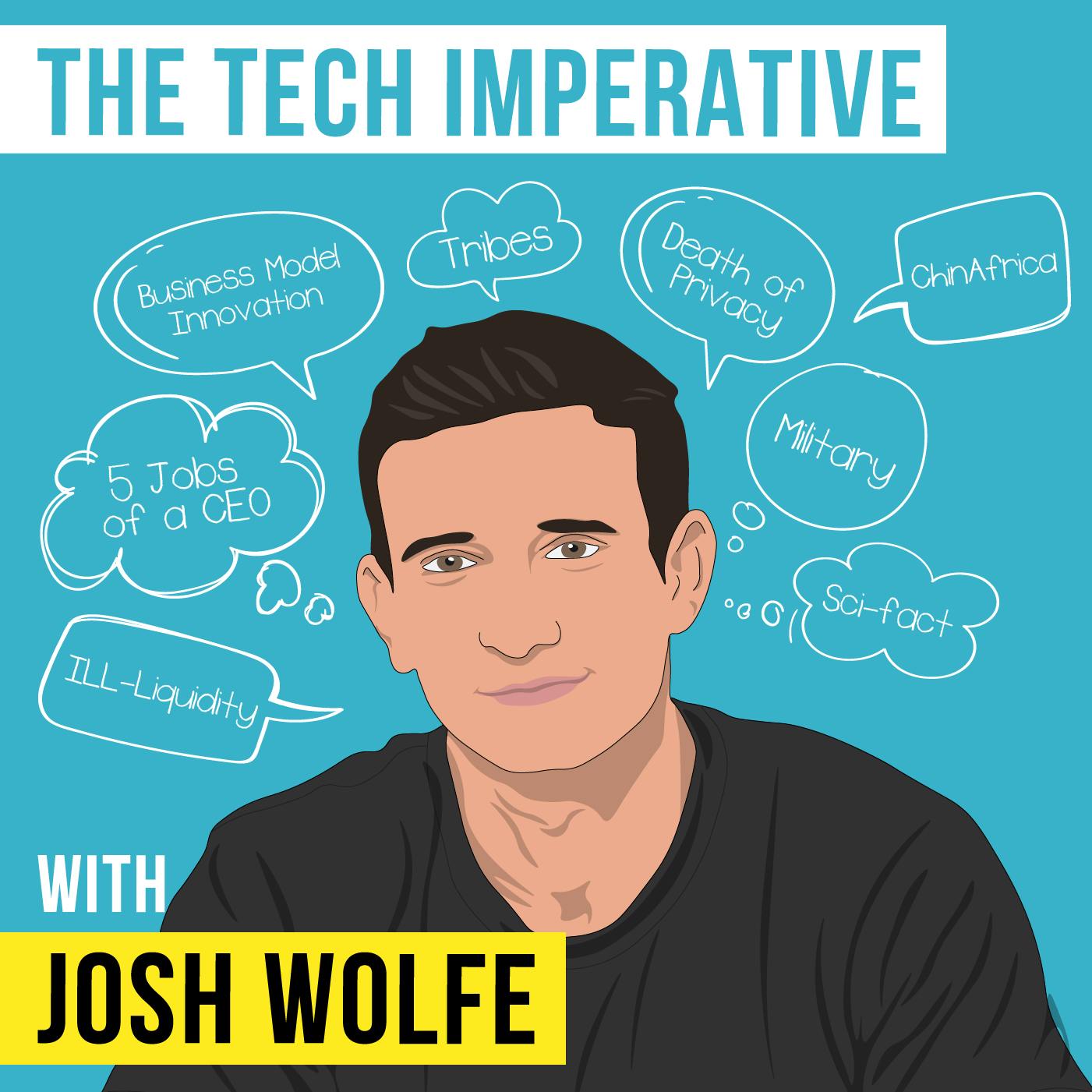 Josh Wolfe – The Tech Imperative
From 🇺🇸 Invest Like the Best with Patrick O'Shaughnessy, published at 2019-04-23 09:30
My guest this week is Josh Wolfe, co-founder and managing partner at Lux Capital. I had Josh on the podcast last year which was one of the most popular episodes in the shows history. This is a continuation of our ongoing conversation about investing in the frontiers of technology. My favorite thing about Josh and the way that he invests is the mosaic that he and his team at Lux are constantly building to understand the world and where new companies may fit in. We cover a crazy variety of topics from business model innovation, roles of a CEO, the military, the death of privacy, and arrows of human progress. Please enjoy round two with Josh Wolfe. For more episodes go to InvestorFieldGuide.com/podcast. Sign up for the book club, where you’ll get a full investor curriculum and then 3-4 suggestions every month at InvestorFieldGuide.com/bookclub. Follow Patrick on Twitter at @patrick_oshag Show Notes 1:22 - (First Question) –Ability to tackle massive scale problems 4:05 – Key roles of leaders and his checklist for evaluating them 5:55 – Common traits among founders that make them incredible storytellers and leaders 10:22 – The concept of ill-liquidity 14:53 – Thoughts on the types of companies going public 16:41 – Most innovative business models 19:14 - Advice for LP’s 23:51 – Common devil 24:01 – The True Believer: Thoughts on the Nature of Mass Movements 25:09 – Big internal debates at his firm, starting with price discipline 28:45 – The value debate internally 33:34 – CRISPR from an investment standpoint 36:50 – Edge cases they are looking at 46:52 – How they target ideas in a single concept 50:01 – The Coast of Utopia: Voyage, Shipwreck, Salvage 51:04 – New theses that they chase 56:31 – Recent adventure with special operations guys Learn More For more episodes go to InvestorFieldGuide.com/podcast. Sign up for the book club, where you’ll get a full investor curriculum and then 3-4 suggestions every month at InvestorFieldGuide.com/bookclub Follow Patrick on twitter at @patrick_oshag
-
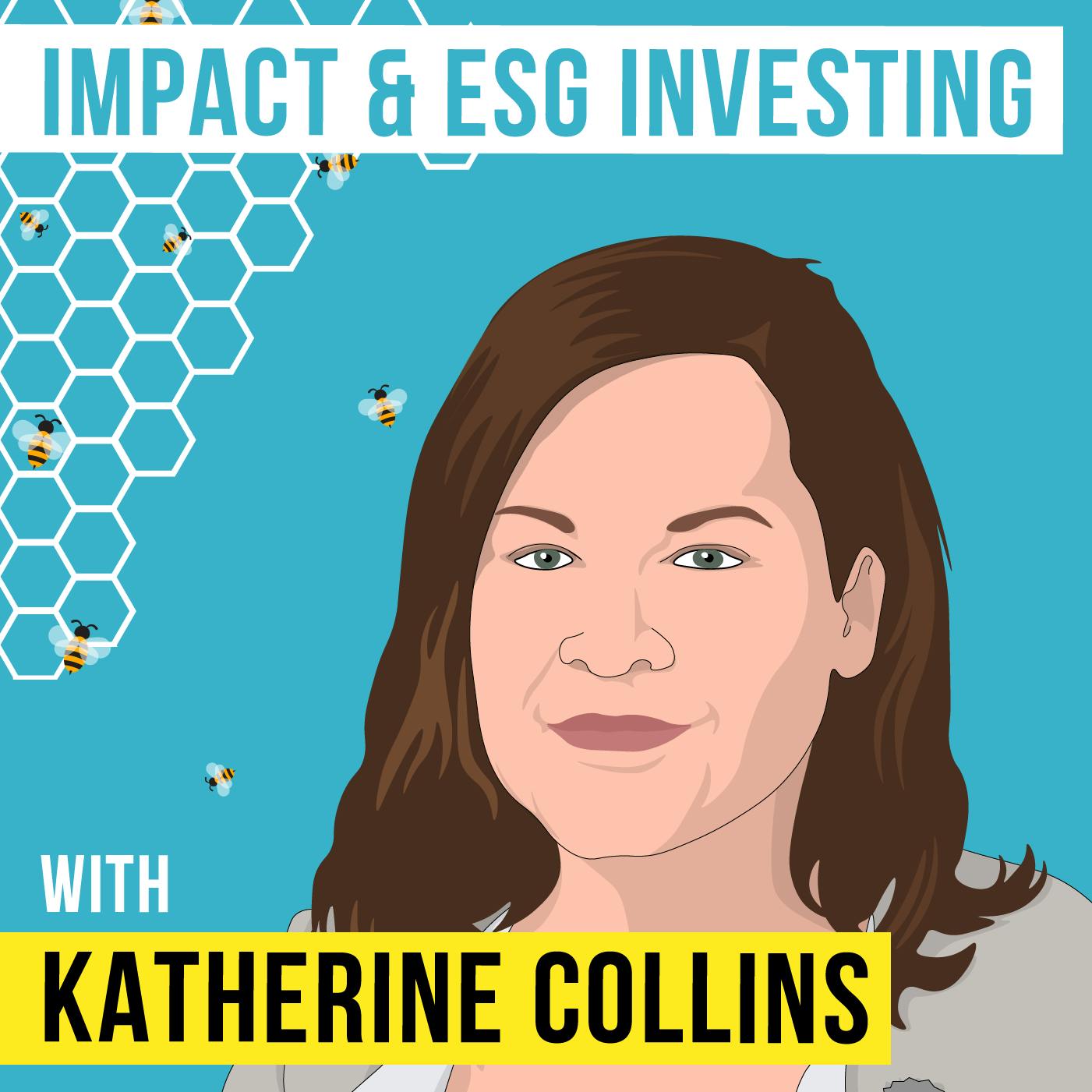 Katherine Collins – Impact and ESG Investing
From 🇺🇸 Invest Like the Best with Patrick O'Shaughnessy, published at 2019-04-16 09:30
My guest this week is Katherine Collins, who is the head of sustainable investing at Putnam Investments, a portfolio manager on two of Putnam’s sustainable investing funds, and the author of the book The Nature of Investing: Resilient Investment Strategies through Biomimicry. Our conversation is on the ins and outs of ESG and impact investing, a young but increasingly common topic in the investing world. This is challenging ground for me as a quant, because the data available is so new and limited—so Katherine’s perspective was very helpful as we continue to learn. Given the importance of this topic, I’m also searching for more guests with both positive and negative views on the role of ESG in an investing framework, and welcome suggestions for future guests. Please enjoy my conversation with Katherine Collins. For more episodes go to InvestorFieldGuide.com/podcast. Sign up for the book club, where you’ll get a full investor curriculum and then 3-4 suggestions every month at InvestorFieldGuide.com/bookclub. Follow Patrick on Twitter at @patrick_oshag Show Notes 1:29 - (First Question) –Mechanical vs human judgement processes 4:21 – ESG, and the non-utility portion of it. 7:11 – Data behind the objective function that is different from returns 12:34 – What are the most interesting data sets 16:04 – How does she determine what factors to target 19:31 – Why do we know that diversity of experience/opinion/background is good for a company 21:30 – The social vertical and how it plays into her investing system and better returns 25:51 – Corporate Sustainability: First Evidence on Materiality 27:00 – Environmental factors and the issues that jump to mind 29:48 – Importance of signing the UNPRI and is it just box checking 32:33 – Data for companies on the solution oriented companies 34:53 – Why doesn’t the market recognize the Alpha 36:17 – LP interest in ESG investing 38:25 – How other groups of investors approach ESG 40:03 – Best practices at business making an impact in ESG 44:01 – Unique or interesting tactics in environmental 46:33 – Who is the biggest opponent or position in opposition of ESG 47:37 – Most interesting edge 48:20 – Playbook for business managers thinking about social for the first time 49:59 – Measurements vs principles/values 51:21 – Advice to quants trying to use ESG in how they gather data 53:04 – Most memorable encounter with a company through the lens of ESG 53:53 – Where to learn more about ESG 54:50 – How much role regulation plays in the future of business sustainability 56:30 – Any more lessons from her research into natural systems 57:05 – Kindest thing anyone has done for her Learn More For more episodes go to InvestorFieldGuide.com/podcast. Sign up for the book club, where you’ll get a full investor curriculum and then 3-4 suggestions every month at InvestorFieldGuide.com/bookclub Follow Patrick on twitter at @patrick_oshag
-
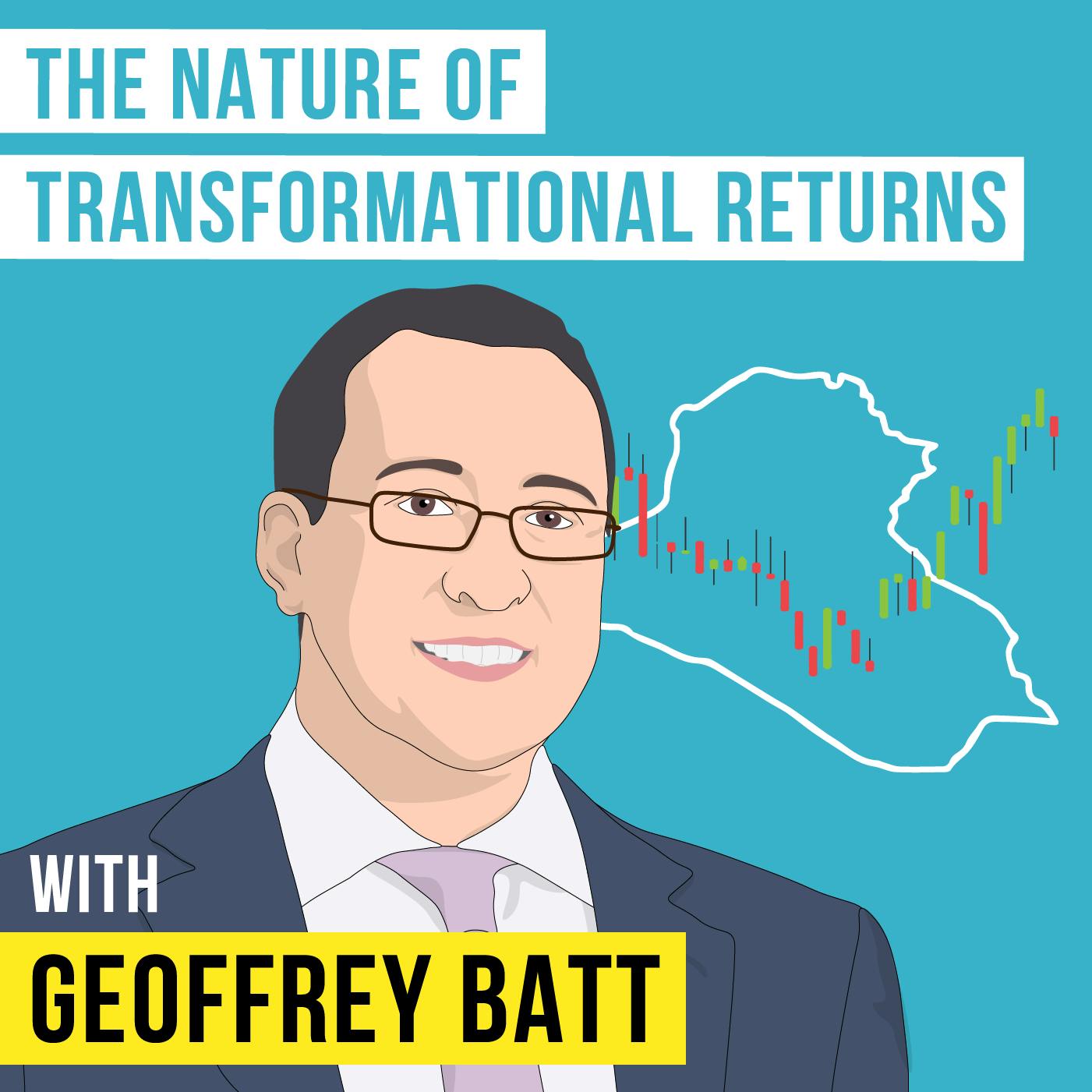 Geoffrey Batt – The Nature of Transformational Returns
From 🇺🇸 Invest Like the Best with Patrick O'Shaughnessy, published at 2019-04-09 09:30
My guest this week Geoffrey Batt and the topic of our conversation is how to earn transformational returns in very hard markets. In his case, that means Iraqi equities which we cover in detail. He now runs a large pool of capital in Iraqi stocks through his firm Euphrates, but the journey was arduous to say the least. This is one of my favorite boots on the ground contrarian investments stories thus far on the podcast. I hope you enjoy the story and the lessons that Geoff has to offer. For more episodes go to InvestorFieldGuide.com/podcast. Sign up for the book club, where you’ll get a full investor curriculum and then 3-4 suggestions every month at InvestorFieldGuide.com/bookclub. Follow Patrick on Twitter at @patrick_oshag Show Notes 1:15 - (First Question) – What does it take to earn transformational returns 4:43 – How he deals with LPs, especially given the volatility of the market he invests in 10:26 – Why LPs have to think about the other investors in a fund 1:17 – How Geoffrey got interested in the Iraqi market 16:15 – Factors he was considering when exploring Iraq 16:53 – Harvey Sawikin Podcast Episode 19:20 – Visiting companies in Iraq 22:30 – Most memorable meeting with a company on his first trip 27:18 – Size and nature of Iraqi market when he first got interested 30:44 – A specific allocator in Iraq 34:37 – Does price reflect the work over there 37:51 - What does he perceive as his role in the changes to Iraq’s equity market 40:12 - How do Iraqi equities look today compared to when he started and is the opportunity still interesting 44:14 – How businesses perceive him now that the market has opened up more 47:28 – Scale of potential return and where it comes from 49:51 – Advice for younger aspiring investors exploring frontier markets 52:16 – Kindest thing anyone has done for Geoffrey Learn More For more episodes go to InvestorFieldGuide.com/podcast. Sign up for the book club, where you’ll get a full investor curriculum and then 3-4 suggestions every month at InvestorFieldGuide.com/bookclub Follow Patrick on twitter at @patrick_oshag
-
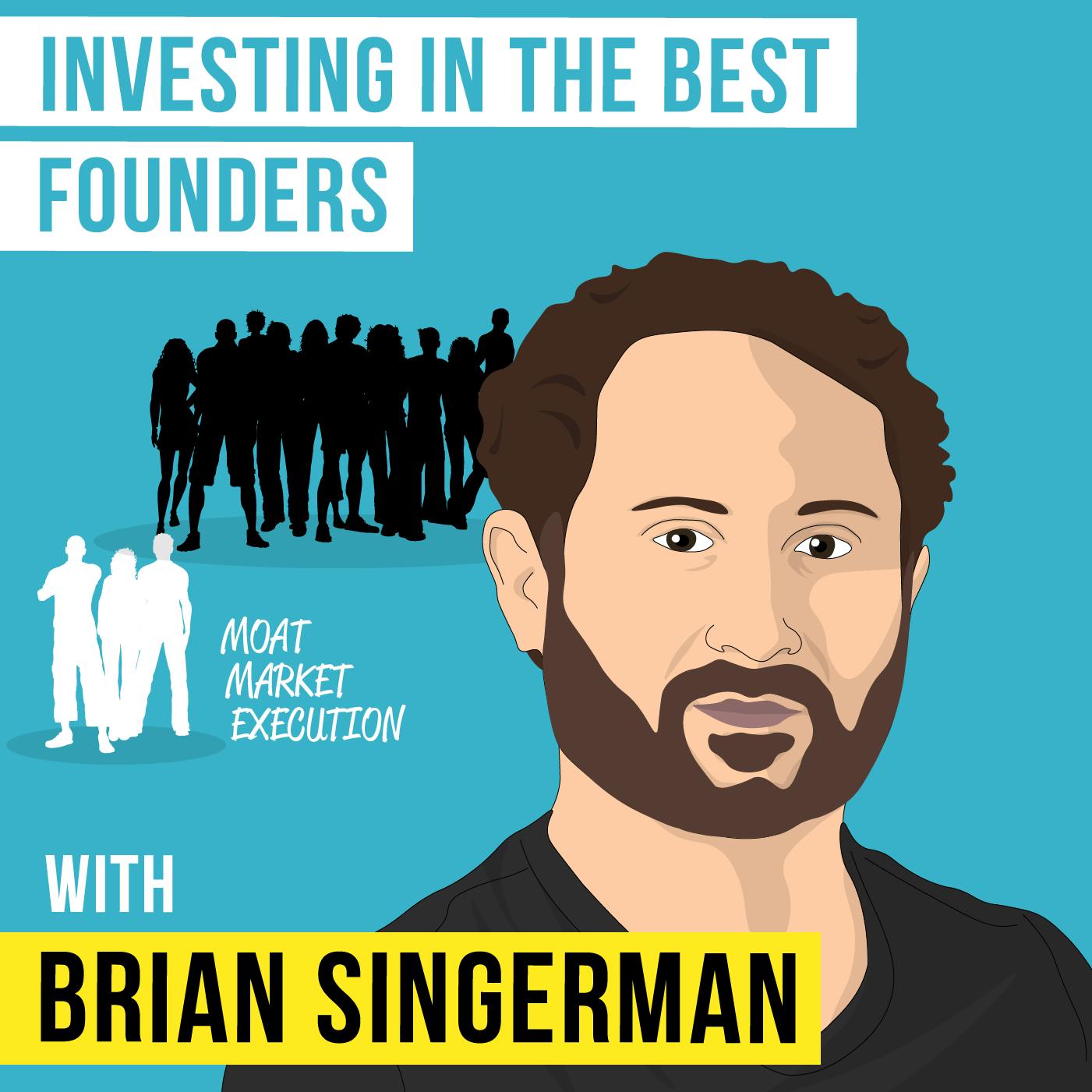 Brian Singerman – Investing in the Best Founders
From 🇺🇸 Invest Like the Best with Patrick O'Shaughnessy, published at 2019-04-02 09:30
My guest this week is Brian Singerman, a partner at the venture capital firm Founders Fund. Founder’s Fund is widely considered one of the top VC firms and its partners are known to have diverse investment strategies. Brian invests across industries and focuses on backing exceptional founders. You’ll hear right off the bat that he cares about moat, market, and strong execution. I love his point that the only way to become a good investor is to do a lot of investing. He describes himself an investor who uses his gut a lot, which took me a while to get used to in our conversation. But I have to say that at the end of this episode I felt refreshed and generally excited to keep putting in reps in my own way, both in the podcast and the quant research settings. I hope you enjoy. For more episodes go to InvestorFieldGuide.com/podcast. Sign up for the book club, where you’ll get a full investor curriculum and then 3-4 suggestions every month at InvestorFieldGuide.com/bookclub. Follow Patrick on Twitter at @patrick_oshag Show Notesd 1:28 - (First Question) – What Brian looks for when evaluating companies 2:38 – What a moat looks like in investing 3:11 – Most memorable initial moat 4:17 – How he evaluates a potential market 5:28 – Attributes they look for in founders 6:24 – Most significant technological changes and how they have impacted his investment strategy 8:57 – The sourcing of his deals 13:00 – Qualities he likes at various stages of deal sourcing 13:46 – How he evaluates the teams he may fund 15:17 – His take on the pricing landscape for deals 16:13 – How he allocates his time as a board member 17:16 – Thoughts on long term stock exchange 18:26 – How much research does he do on an industry in order to stay on top of his investments 20:10 – Outside information he follows 21:20 - Other investors he’s learned a lot from 23:12 – What values does Peter Thiel instill in the partners 24:05 – Process of StemCentrics 26:03 – Other places holding his interest today 26:57 – His interest in e-sports 31:44 – Interactions with LP’s 32:51 – What they look for in recruiting new partners 34:32 – How geography impacts the opportunity for new ideas 36:24 – Opportunities in public companies and other investment types 37:57 – Aspects of overseeing a startup venture 39:26 – Kindest thing anyone has done for him Learn More For more episodes go to InvestorFieldGuide.com/podcast. Sign up for the book club, where you’ll get a full investor curriculum and then 3-4 suggestions every month at InvestorFieldGuide.com/bookclub Follow Patrick on twitter at @patrick_oshag
-
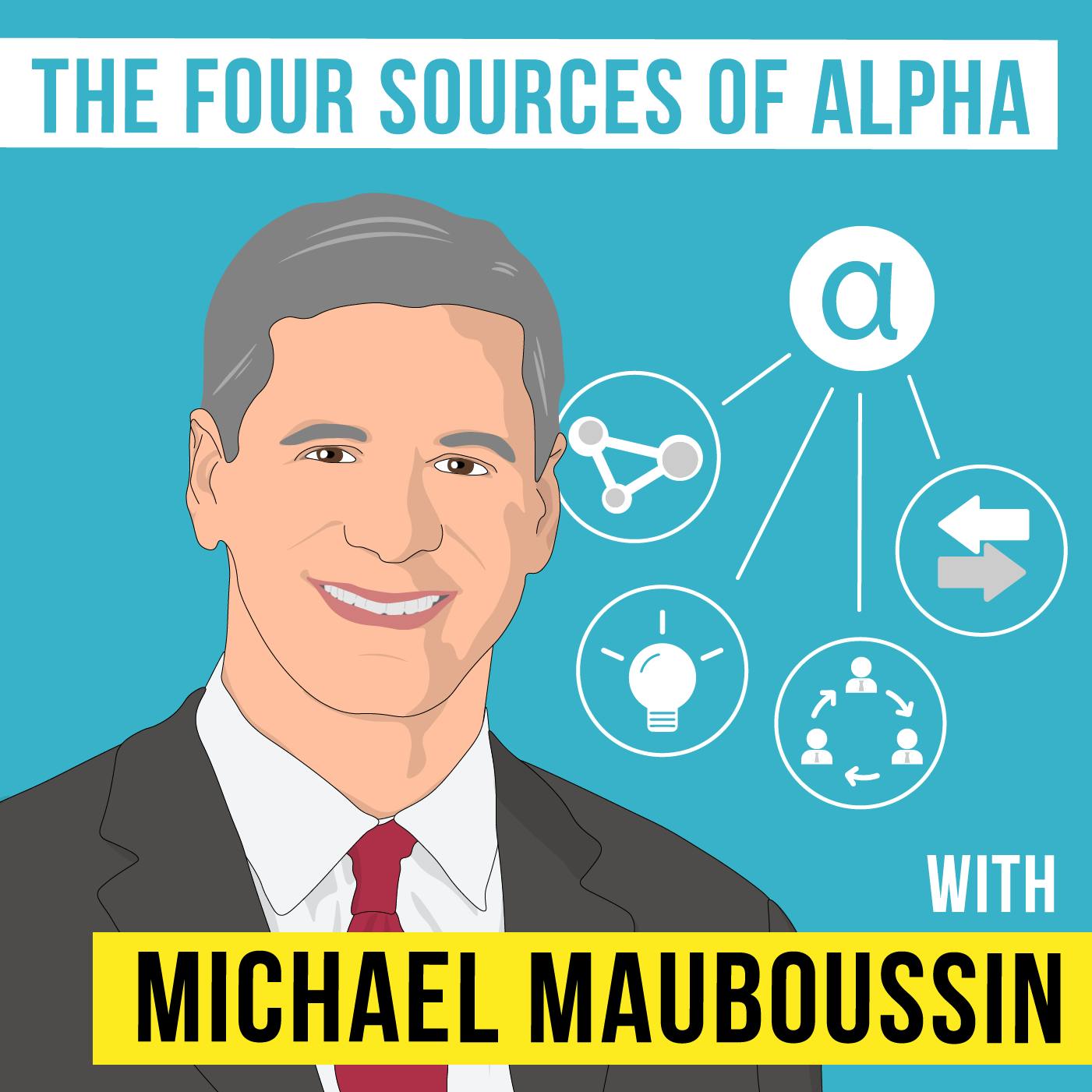 Michael Mauboussin – The Four Sources of Alpha
From 🇺🇸 Invest Like the Best with Patrick O'Shaughnessy, published at 2019-03-26 09:30
My guest this week for the third time is Michael Mauboussin. If there is a major question about markets and investing, Michael has usually written one of the best pieces of research on that topic. Today’s conversation is a mix of several of his research pieces, but focuses on the sources of alpha. The framing of the conversation is the brilliant question “who is on the other side” of a given trade. If you are buying, who is selling, and why? Knowing the answer to this question is one key to understanding where excess return comes from. As is usual with Michael, we also explore tons of other interesting ideas that will serve as food for thought. Please enjoy. For more episodes go to InvestorFieldGuide.com/podcast. Sign up for the book club, where you’ll get a full investor curriculum and then 3-4 suggestions every month at InvestorFieldGuide.com/bookclub. Follow Patrick on Twitter at @patrick_oshag Show Notes 1:23 - (First Question) – An outline of the syllabus for the course he teaches 4:02 – What are smart people missing when it comes to decision making 5:33 – Why Michael went down the path of defining major investing concepts 7:41 – On the impossibility of informational inefficient markets 9:14 – Beware behavioral finance 12:03 – What are the behavioral errors that people can take advantage of in a trade 15:14 – Timing opportunities 17:25 – Modest Proposal Podcast Episode 17:47 – Where the analytical edge comes from 21:16 – Is there an advantage to exhibit time arbitrage 23:53 – Technical arbitrage 29:34 – What impact do flows into ETFs play on the market 32:25 – Informational edge and how you source that edge 36:39 – Biggest changes that he has seen on the buy side 43:18 - How would Michael apply this as a sports GM 48:35 – His views on stock buybacks 51:02 – The Outsiders: Eight Unconventional CEOs and Their Radically Rational Blueprint for Success 52:55 – EBIT to EBITDA paper 54:43 – What Does a PE Multiple Mean? 59:28 – The concept of benign myths 1:02:06 – What the future holds of Michael 1:04:17 – The Myth of Capitalism: Monopolies and the Death of Competition Learn More For more episodes go to InvestorFieldGuide.com/podcast. Sign up for the book club, where you’ll get a full investor curriculum and then 3-4 suggestions every month at InvestorFieldGuide.com/bookclub Follow Patrick on twitter at @patrick_oshag
-
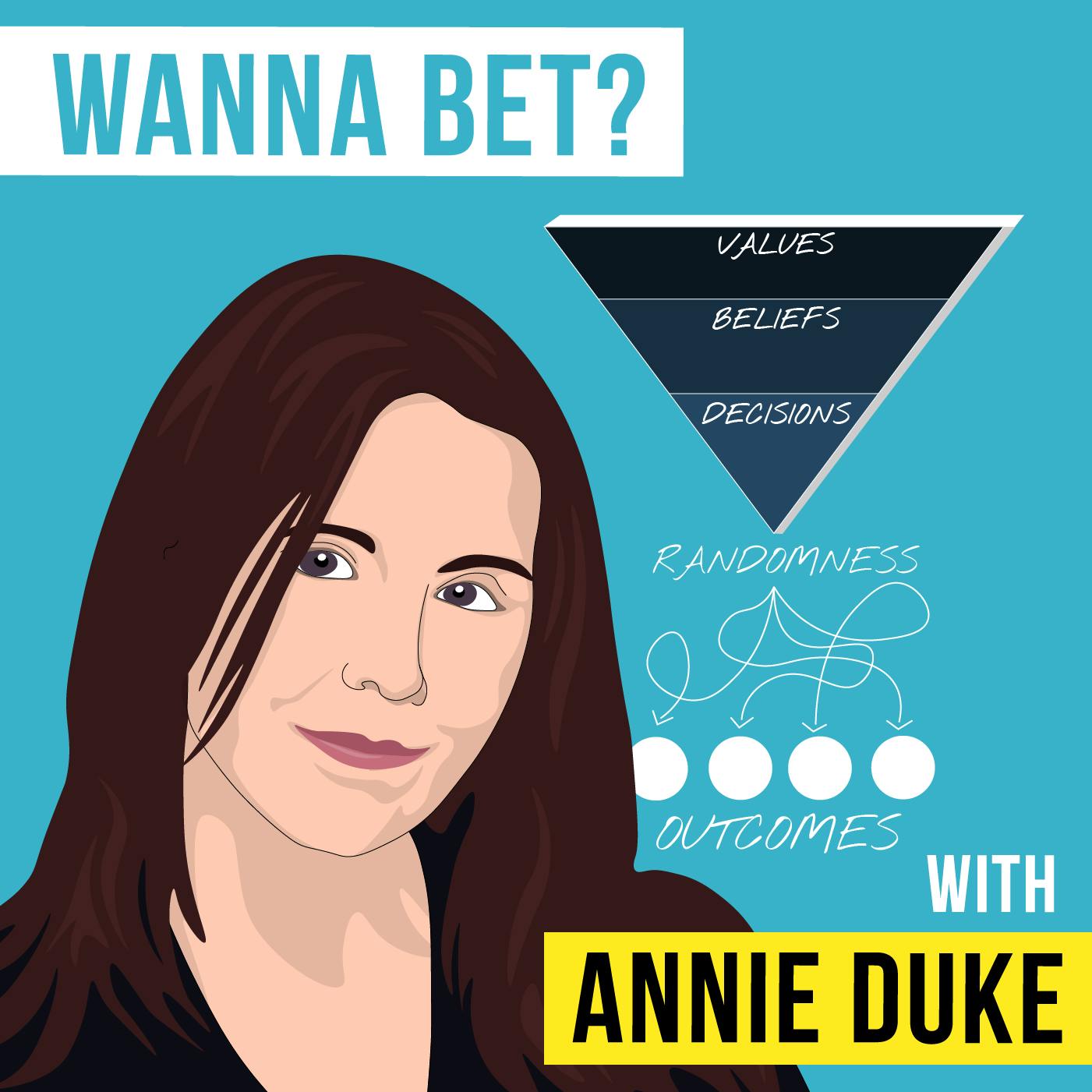 Annie Duke – Wanna Bet?
From 🇺🇸 Invest Like the Best with Patrick O'Shaughnessy, published at 2019-03-19 09:30
My guest this week is with Annie Duke, and the topic of our discussion is how to improve decision making. We break decisions down into their component parts: values, beliefs, decisions, randomness, and outcomes. After diving into each, we discuss how to make better decisions, how to work in group settings, and how to harness power of tribes and identity to improve our behavior. Annie has thought about this as much as anyone, and her various tricks for getting us to think in probabilities and to stop evaluating decisions based on outcomes that have been tainted by randomness will be useful for anyone listening. Please enjoy. For more episodes go to InvestorFieldGuide.com/podcast. Sign up for the book club, where you’ll get a full investor curriculum and then 3-4 suggestions every month at InvestorFieldGuide.com/bookclub. Follow Patrick on Twitter at @patrick_oshag Show Notes 1:23 - (First Question) – Why people don’t take the best investing advice 2:11 – Investing tribes 4:21 – Jay Van Bavel twitter 6:34 – Rule setting as a way of crafting an investment strategy 11:13 – How much control do we have in choosing our values 15:52 – Anatomy of a decision 19:28 – Her concept of resulting 26:47 - How beliefs impact your decision making 34:28 – Tact’s for making the best decision 42:40 – Ego and decision making 47:06 – People who are exceptional at changing their decision making 48:18 – How often do people who change their decision making, stick with the rules of the game 50:07 – Finite and Infinite Games 50:28 – Psychology of making decision that involves other people 59:20 - Never close doors on other people 1:01:57 – Best decision that Annie made 1:04:24 – Kindest thing anyone has done for Annie Learn More For more episodes go to InvestorFieldGuide.com/podcast. Sign up for the book club, where you’ll get a full investor curriculum and then 3-4 suggestions every month at InvestorFieldGuide.com/bookclub Follow Patrick on twitter at @patrick_oshag
-
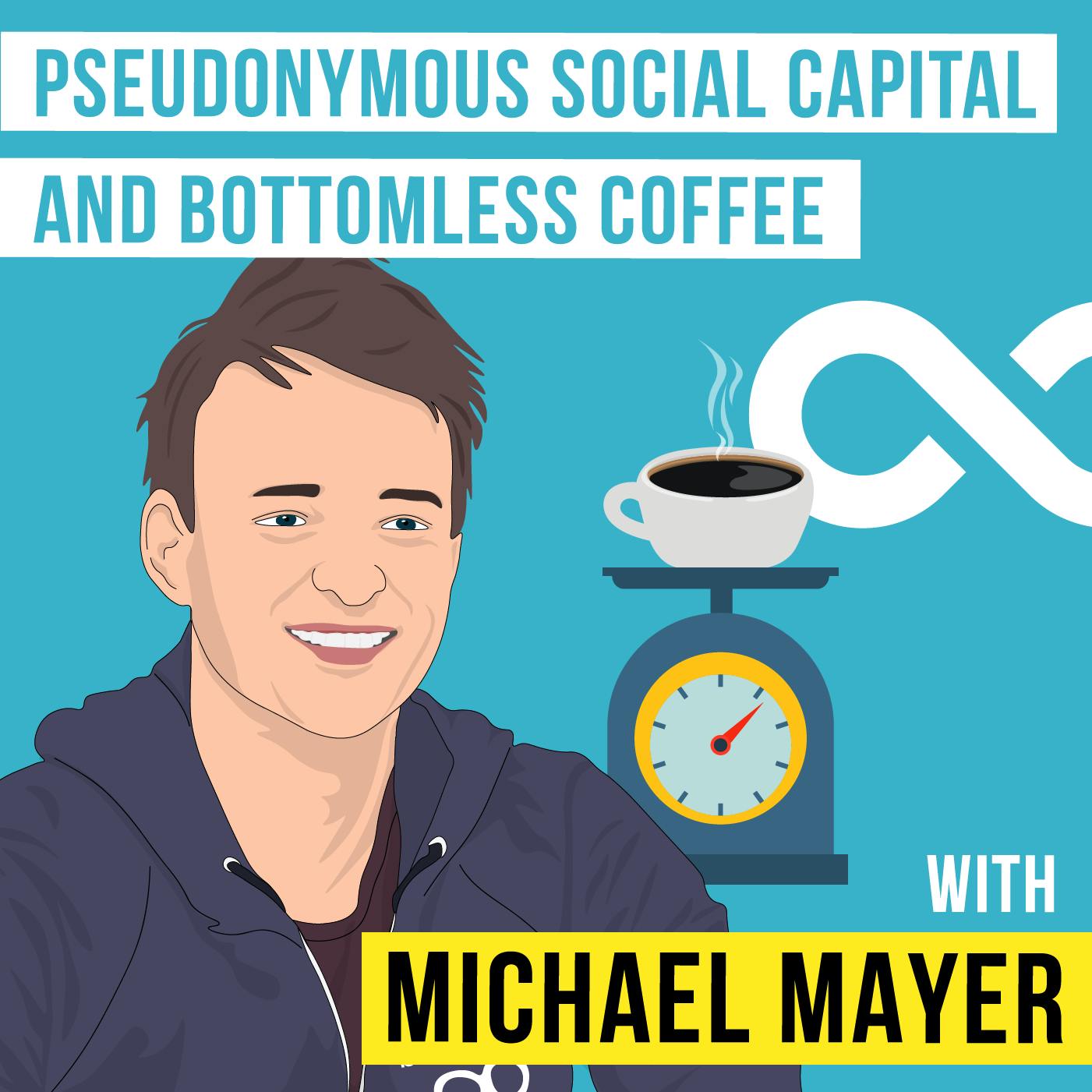 Michael Mayer – Pseudonymous Social Capital and Bottomless Coffee
From 🇺🇸 Invest Like the Best with Patrick O'Shaughnessy, published at 2019-03-12 09:30
My guest this week is unique and so requires a short story. I met our guest Michael Mayer because of twitter. I followed and enjoyed one of several pseudonymous accounts that he maintains to experiment with ideas. His various accounts have wide followings. I think many of the best accounts on twitter are anonymous or pseudonymous, and I’ve always made a point to get to know the ones I like best. As it turns out, Michael was also an entrepreneur. He’d been building a new company and was raising a small amount of outside capital. I didn’t invest personally, in part because he raised it so quickly after I spoke with him. Ever since, I’ve gotten to know him better and followed his company, Bottomless, with interest. You know that I am always hyper transparent about any potential conflicts of interest, so it’s worth noting that while I am not an investor in this company, I expect to be at some point in the future. The topic of our conversation is both his social media activity and his company. I am a coffee fanatic, and the problem he is solving is one I live. I order a weekly bag of coffee beans, but I often have too much coffee or run out. Bottomless solves this by shipping you a simple scale which you keep wherever you store your coffee, connect to your Wi-Fi, and set your bag of coffee on. It automatically orders new coffee for you at the right time. Thus the name: Bottomless. If you like the conversation, check out bottomless.com With this podcast, all I’m really trying to do is find, meet, and learn from interesting people. Michael certainly qualifies. I hope you enjoy this unique episode. For more episodes go to InvestorFieldGuide.com/podcast. Sign up for the book club, where you’ll get a full investor curriculum and then 3-4 suggestions every month at InvestorFieldGuide.com/bookclub. Follow Patrick on Twitter at @patrick_oshag Show Notes 2:06 - (First Question) – Why he writes under a pseudonym online 2:58 – Positive impacts of writing this way 3:45 – His background 5:02 – Habits he improved upon 7:03 – Where did his exploration into technology and start-ups come from 7:33 – Algorithms to Live By: The Computer Science of Human Decisions 10:32 – Elements of business that interest him most 13:26 – Building social capital vs the current state of education 17:06 – What information does he like to consume 18:17 – Zero to One: Notes on Startups, or How to Build the Future 18:34 – Jerry Neumann blog Reaction Wheel | Podcast episode 18:39 – Kevin Simler’s blog Melting Asphalt| Podcast Episode 21:01 – Why the current education system is busted 22:54 – Formation of his business 24:04 – Importance of making things legible 25:54 – On demand delivery vs subscription business models 30:16 – Early day in developing the scale for his business 33:50 – What he learned about coffee roasters 35:29 – thoughts on supplier power 36:17 – The customer relationship 39:50 – Best objections to his business 41:58 – Biggest operational/emotional challenges 42:56 – Best moment 44:39 – Time at Y combinator 46:28 – His unique co-founder story 49:47 – Marketing strategies and acquisition costs 51:37 – The idea of a commercial loop 53:27 – Discarded ideas, such as spaced repetition social networks 57:38 – Having a long-term plan vs reformatting a business into success 1:00:35 – What works on twitter based on his experience 1:03:09 – Most controversial opinion 1:05:59 – Kindest thing anyone has done Learn More For more episodes go to InvestorFieldGuide.com/podcast. Sign up for the book club, where you’ll get a full investor curriculum and then 3-4 suggestions every month at InvestorFieldGuide.com/bookclub Follow Patrick on twitter at @patrick_oshag
-
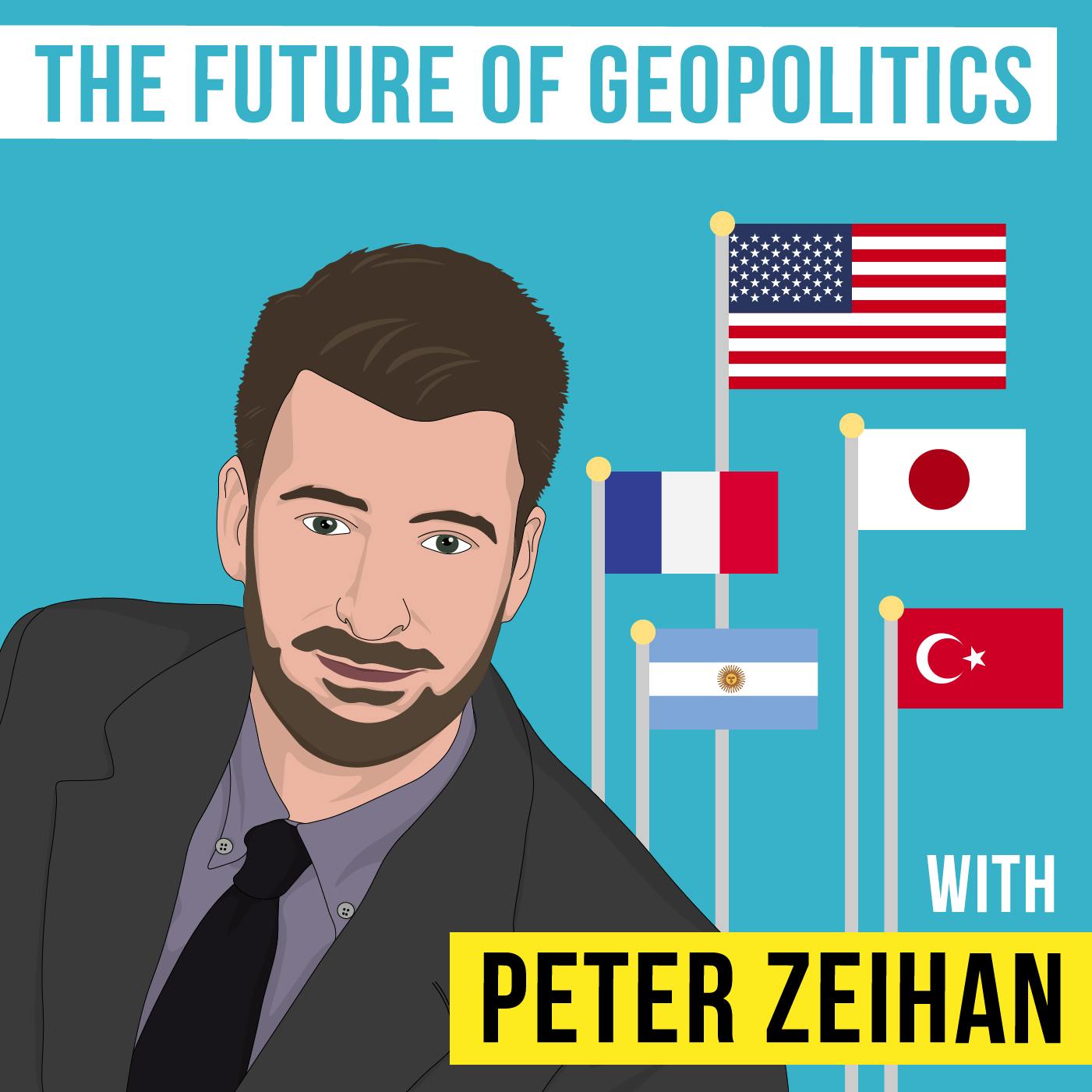 Peter Zeihan – The Future of Geopolitics
From 🇺🇸 Invest Like the Best with Patrick O'Shaughnessy, published at 2019-03-05 10:30
Peter is a geopolitical strategist who combines expertise in demography, economics, energy, politics, technology, and security to assess an uncertain future. Before founding his own strategy firm, Peter helped develop the analytical models for Stratfor, one of the world’s premier private intelligence companies. I came across Peter via his books the Accidental Superpower and the Absent Superpower. We discuss America’s changing place in the world and four additional countries poised to do well in the future. Spoiler alert: he believes the U.S. is particularly well positioned. While we don’t discuss equity markets per se, all of what we talk about will obviously impact companies across the world for the remainder of our careers. Please enjoy our conversation. For more episodes go to InvestorFieldGuide.com/podcast. Sign up for the book club, where you’ll get a full investor curriculum and then 3-4 suggestions every month at InvestorFieldGuide.com/bookclub. Follow Patrick on Twitter at @patrick_oshag Show Notes 1:32 - (First Question) – His model of the world 4:05 – What makes for a strategically advantaged country 5:35 – History of the Bretton Woods agreement and the order that it created 8:47 – The security apparatus that has made globalization of manufacturing possible 12:04 – The US’s pullback from being the naval police of global trade 12:08 – The Absent Superpower: The Shale Revolution and a World Without America 14:57 – How energy has played into America’s disinterest abroad 21:52 – Moving towards global disorder 24:55 – Characterizing factors that will impact countries in any collapse 27:38 – How this manifest in physical conflict 32:44 – How the new world order will end the ease of innovation we are accustomed to today 34:13 – What gets the US to reengage before this new world order 38:08 – Demographics that make a country prepared for this, Japan as an example 40:57 – A look at China 43:59 – What the story is about Argentina 45:52 – How North America fares based on their geography and relationships 49:50 – The trader wars that are currently ongoing 52:17 – US political system 56:15 – Most important policy issues moving forward 58:27 – His view on American infrastructure 1:00:33 – Technologies that interest him the most 1:02:55 – What he is watching most closely in his research, starting with media 1:05:59 – What are and should be the countries of the future 1:06:55 – Kindest thing anyone has done for Peter 1:07:32 – Favorite places he’s been Learn More For more episodes go to InvestorFieldGuide.com/podcast. Sign up for the book club, where you’ll get a full investor curriculum and then 3-4 suggestions every month at InvestorFieldGuide.com/bookclub Follow Patrick on twitter at @patrick_oshag
-
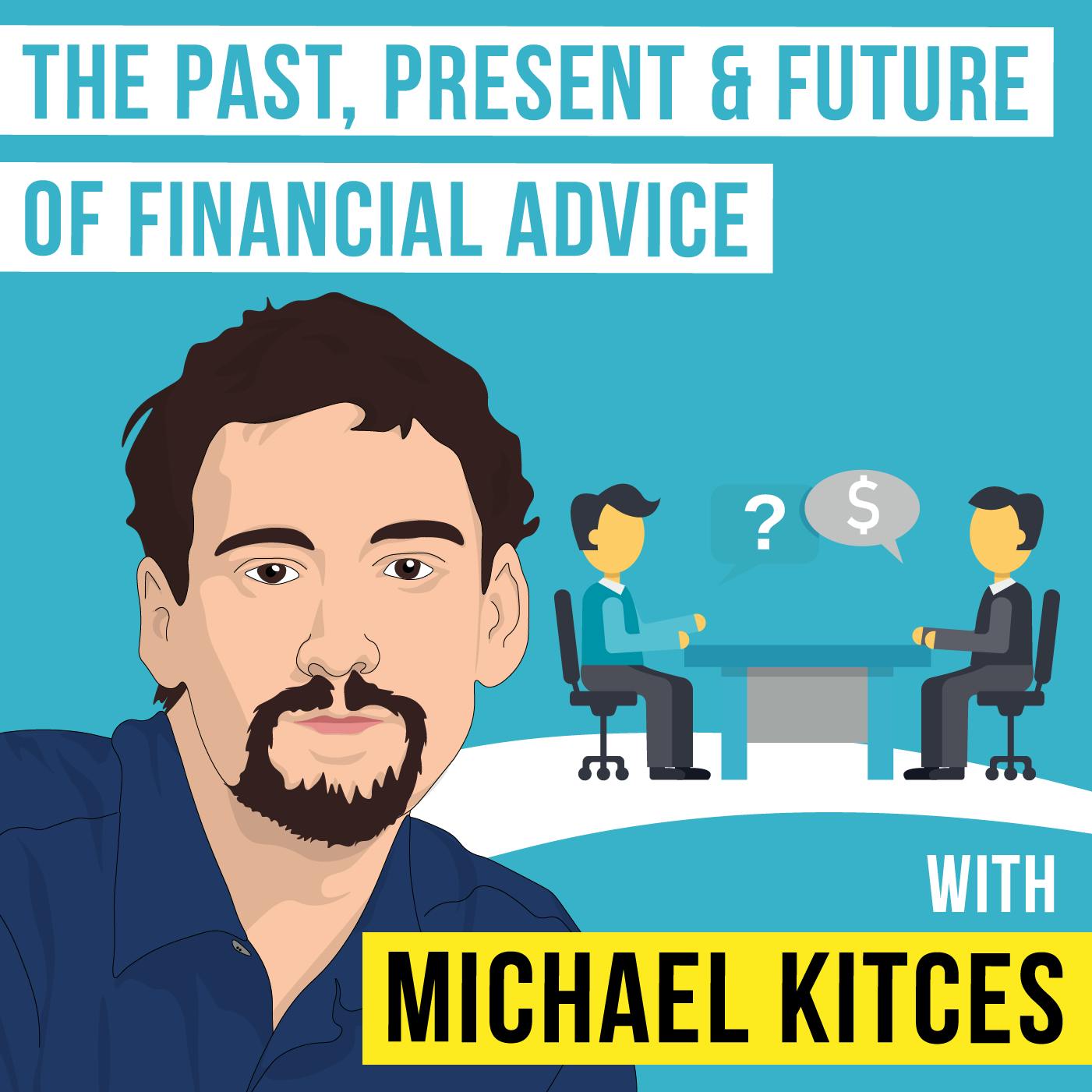 Michael Kitces – The Past, Present & Future of Financial Advice
From 🇺🇸 Invest Like the Best with Patrick O'Shaughnessy, published at 2019-02-26 10:30
My guest this week is Michael Kitces, who is one of our industries go-to experts on all things financial advise and financial planning. We discuss the past, present, and future of financial advise, financial technology, and investing. If you are a financial advisor or use one, this conversation is full of great history and perspective. Please enjoy. For more episodes go to InvestorFieldGuide.com/podcast. Sign up for the book club, where you’ll get a full investor curriculum and then 3-4 suggestions every month at InvestorFieldGuide.com/bookclub. Follow Patrick on Twitter at @patrick_oshag Show Notes 1:08 - (First Question) – History of financial planning/advice model 5:26 – Fee changes in the 1970’s 10:01 – The start of the AUM model 10:44 – Value proposition for financial advisors beyond trading vs robo-advsiors 11:49 – Why Robo-Advisors Will Be No Threat To Real Advisors 18:20 – Why are humans still dominating the space 23:58 – Future of advisor fees 32:50 – Viability of the human driven flat fee model 37:50 – The dominance of flat fee models 43:13 – What services are financial advisors offering to justify their fees 47:17 – Dimensions to divide potential customers 52:20 – Exciting updates on the investment side that will help differentiate managers 55:37 – Any investment function beyond the basics that is intriguing to him 58:45 – Most interesting problems to be solved on the investing and non-investing sides 1:04:52 – Advice for young advisors 1:09:24 – How does he invest his own money 1:11:31 – Kindest thing anyone has done for Michael Learn More For more episodes go to InvestorFieldGuide.com/podcast. Sign up for the book club, where you’ll get a full investor curriculum and then 3-4 suggestions every month at InvestorFieldGuide.com/bookclub Follow Patrick on twitter at @patrick_oshag
-
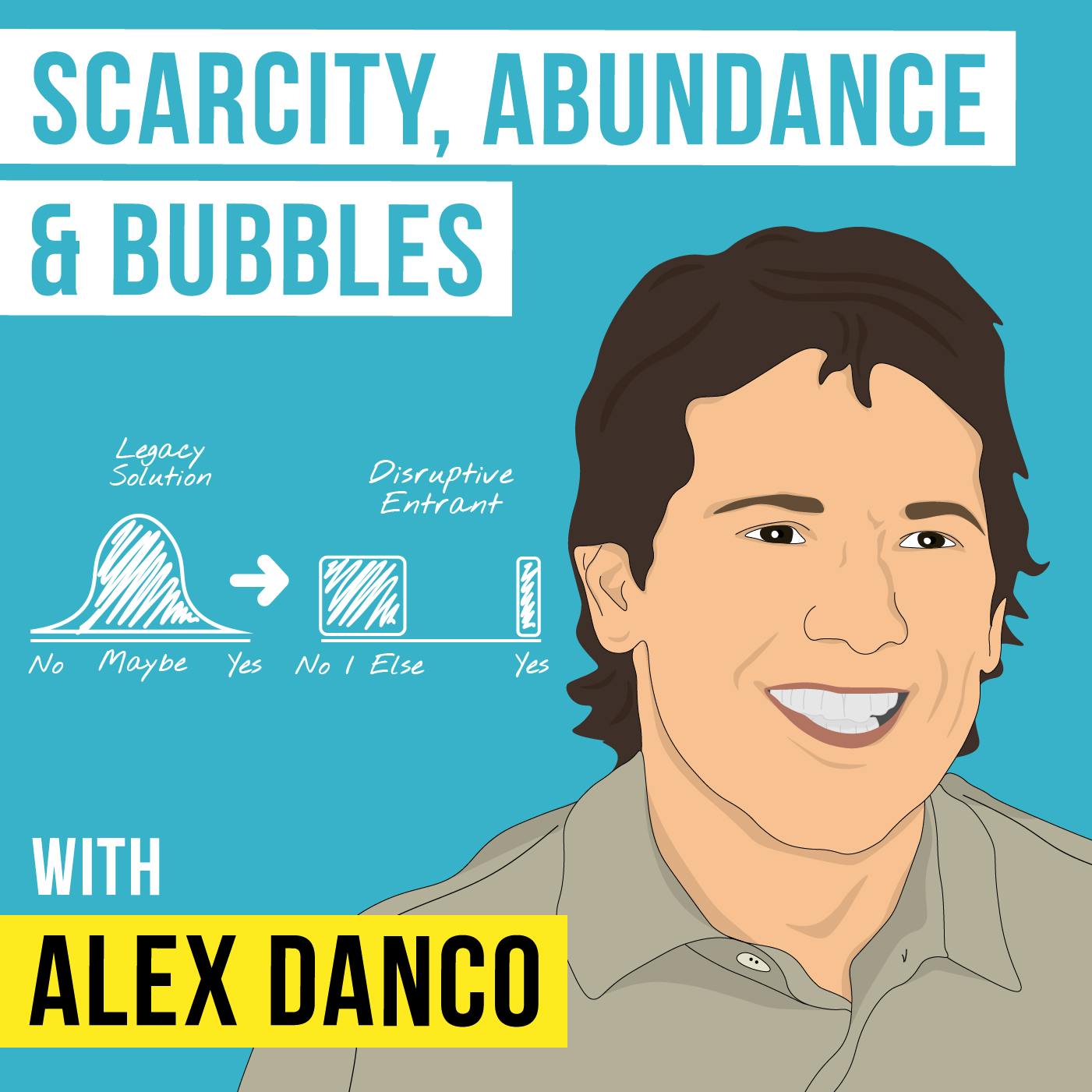 Alex Danco – Scarcity, Abundance and Bubbles
From 🇺🇸 Invest Like the Best with Patrick O'Shaughnessy, published at 2019-02-12 10:30
My guest this week is Alex Danco. Alex is a member of the Discover Team at Social Capital, has a background in biology, and has written about all things tech and business. While Alex is only 30, it seems like he has spent decades thinking about all the topics that we discuss, from changing business models, to railroads, to the shift from products to functions, and the rise and fall of asset bubbles. I hope you enjoy this wide ranging conversation. For more episodes go to InvestorFieldGuide.com/podcast. Sign up for the book club, where you’ll get a full investor curriculum and then 3-4 suggestions every month at InvestorFieldGuide.com/bookclub. Follow Patrick on Twitter at @patrick_oshag Show Notes 1:15 - (First Question) – A look at his day job on the discover team 2:20 – 40 problems doc 4:27 – How companies get on the list and the turnover 5:21 – Hardest problem they are looking at…housing 11:37 – The investment component that fixes housing 15:35 – Where we are in the technology cycle in the view of abundance vs scarcity 20:54 – Change in distribution and the business vs utility business idea. 28:40 – Bifurcation of small and larger businesses 32:48 – New forms of scarcity today 38:31 – The trend of massive company incumbency 41:07 – The utility of bubbles 49:08 – His favorite bubble 51:18 – Challenges and nuances of bubbles 53:35 – Zero to One Notes on Start-Ups, or How to Build the Future 1:02:22 – Future for VC funding in Silicon Valley 1:04:07 – Advice for business builders 1:08:23 – The Three True Outcomes 1:13:04 – His background in biology and innovation in that space that is coming 1:19:46 – Company examples that are of interest to him and that encapsulate his way of investing 1:24:56 – Kindest thing anyone has done for Alex Learn More For more episodes go to InvestorFieldGuide.com/podcast. Sign up for the book club, where you’ll get a full investor curriculum and then 3-4 suggestions every month at InvestorFieldGuide.com/bookclub Follow Patrick on twitter at @patrick_oshag
-
 Keith Wasserman – Real Estate Investing
From 🇺🇸 Invest Like the Best with Patrick O'Shaughnessy, published at 2019-02-05 10:30
My guest this week is Keith Wasserman, co-founder of the real estate investment firm Gelt. This was my first fully dedicated conversation on direct real estate investing, so we cover many different topics, including the pros and cons of different types of real estate, current valuations, risk vs. reward, tax protection, and the most interesting emergent areas. You can tell Keith is an entrepreneur at heart so I enjoyed his energy and all that he has learned. Please enjoy. For more episodes go to InvestorFieldGuide.com/podcast. Sign up for the book club, where you’ll get a full investor curriculum and then 3-4 suggestions every month at InvestorFieldGuide.com/bookclub. Follow Patrick on Twitter at @patrick_oshag Show Notes 1:15 - (First Question) – Their interest in apartments and mobile homes as investments 2:32 – The returns spectrum for different classes of real estate 4:03 – His early entrepreneurial ventures and the start of Gelt 7:45 – Don’t be afraid of negotiating 8:34 – Going through early deals in real estate 11:57 – How he determines when it’s time to sell a property 14:13 – How do they think about taxes in their investment offerings 16:57 – Depreciation strategies in real estate investing 18:27 – The evolution of the types of real estate properties they’ve invested in 21:41 – Most important factors when evaluating a building to invest in 23:50 – Barriers to entry 25:41 – Changes in his cost of capital 28:51 – Cost of debt and deciding how much to put into a building 30:33 – A look at the competition 34:51 – Effective marketing strategies 37:07 – How demographics impact their strategies 39:11 – The co-living space 40:34 – Cloud kitchens and how he would invest in these 46:11 – How autonomous vehicles will impact real estate 47:52 – Pros and cons of developing new properties vs buying existing ones 49:59 – Early stage investing interest 53:48 – Favorite business/entrepreneur story 55:10 – Advice for younger entrepreneurs 57:09 – Kindest thing anyone has done for Keith Learn More For more episodes go to InvestorFieldGuide.com/podcast. Sign up for the book club, where you’ll get a full investor curriculum and then 3-4 suggestions every month at InvestorFieldGuide.com/bookclub
-
 Alex Mittal – Early Stage Investing
From 🇺🇸 Invest Like the Best with Patrick O'Shaughnessy, published at 2019-01-29 10:30
My guest this week is Alex Mittal, co-founder of Funders Club. Following past guest Jeremiah Lowin, Alex is my second elementary school friend to appear on the podcast—a trend I hope continues. Funders club is a unique venture firm, because it is build around a network of investors and entrepreneurs who submit deals for consideration and invest together. But as you’ll hear, Alex and his co-founder Boris aren’t just building an open platform for early stage investing: they also then take a very traditional venture approach, making investing decisions themselves when it comes to building a centralized portfolio. Our conversation is about what Alex has learned investing in almost 300 early stage companies over the past 7 years. Please enjoy. For more episodes go to InvestorFieldGuide.com/podcast. Sign up for the book club, where you’ll get a full investor curriculum and then 3-4 suggestions every month at InvestorFieldGuide.com/bookclub. Follow Patrick on Twitter at @patrick_oshag Show Notes 1:30 - (First Question) – Inception of the Founder’s Club 1:36 – Jeremiah Lowin Podcast Episode 3:59 – How the process of their platform works 5:40 – Role of the network in Founders Club setup and success 8:26 – What he has learned from all of the data he has access to 16:00 – Early stage investing and finding the sweet spot 22:17 – What makes a really intriguing bad idea 25:23 – Why he remains so excited about Ethereum 31:18 – More bad ideas 31:55 – Apoorva Mehta on How I Built This Podcast 37:15 – Thoughts on retail and logistics and how they fit his Venn diagram of boring and crazy 43:13 – Chip and electronic design 45:47 – Companies that are not just increasing efficiencies but actually making foundational changes 45:54 – Energy and Civilization: A History 52:34 – What does he look for in founders 55:26 – Pivot or Fail 57:05 – Kindest thing anyone has done for Alex Learn More For more episodes go to InvestorFieldGuide.com/podcast. Sign up for the book club, where you’ll get a full investor curriculum and then 3-4 suggestions every month at InvestorFieldGuide.com/bookclub Follow Patrick on twitter at @patrick_oshag
-
 Eugene Wei – Tech, Media, and Culture
From 🇺🇸 Invest Like the Best with Patrick O'Shaughnessy, published at 2019-01-22 10:30
My guest this week, Eugene Wei, has one of the most interesting backgrounds of anyone I’ve had on the podcast. He worked at Amazon early in its life, was the head of product at Hulu and Flipboard, and head of video and Oculus. Our conversation is about the intersection of technology, media, culture. We discuss Eugene’s concept of invisible asymptotes: why growth slows down (for both companies and people) and how some can burst through. I’d list more of the topics, but we covered so much that you should just listen. Finally, I’ll say that after spending a day with Eugene (including a wildly interesting dinner with Eugene, past podcast guest Sam Hinkie, and future podcast guest Kevin Kwok) that he is the type of uniquely interesting and kind person I am always searching for and one that I wish I could bet on somehow. If you know more people like this, reach out and suggest them for this podcast. Now, enjoy our conversation. For more episodes go to InvestorFieldGuide.com/podcast. Sign up for the book club, where you’ll get a full investor curriculum and then 3-4 suggestions every month at InvestorFieldGuide.com/bookclub. Follow Patrick on Twitter at @patrick_oshag Show Notes 1:38 - (First Question) – Idea of cuisine and empire 1:52 – Cuisine and Empire: Cooking in World History 4:20 – Key takeaways from the Defiant Ones Documentary 8;25 – Being convinced to buy a sports coat 11:10 – The concept of invisible asymptote 17:43 – How the medium shapes the messaging and the impact of cameras everywhere on society 17:48– Invisible asymptotes 17:56 – Selfies as a second language 22:57 – Proof of work in building a social network 32:51 – Magnification of inequalities in digital networks 34:01 – The Lessons of History 36:47 – His thoughts on the media industry’s impact on society as a whole 39:42 – His time at Hulu 44:48 – Places where video could replace text 47:30 – The need for media for any business looking to grow 49:35 – Amusing Ourselves to Death: Public Discourse in the Age of Show Business 53:08 – Personal asymptotes 57:19 - Habit building and goal setting 1:00:29 – Travel recommendations 1:03:24 – Movie recommendations 1:08:16 – Product recommendations and what makes them indispensable 1:10:44 – Creation: Life and How to Make It 1:13:23 – Thoughts on the art of conversation 1:14:59 – The Most Human Human: What Artificial Intelligence Teaches Us About Being Alive 1:18:30 – Kindest thing anyone has done for Eugene Learn More For more episodes go to InvestorFieldGuide.com/podcast. Sign up for the book club, where you’ll get a full investor curriculum and then 3-4 suggestions every month at InvestorFieldGuide.com/bookclub Follow Patrick on twitter at @patrick_oshag
-
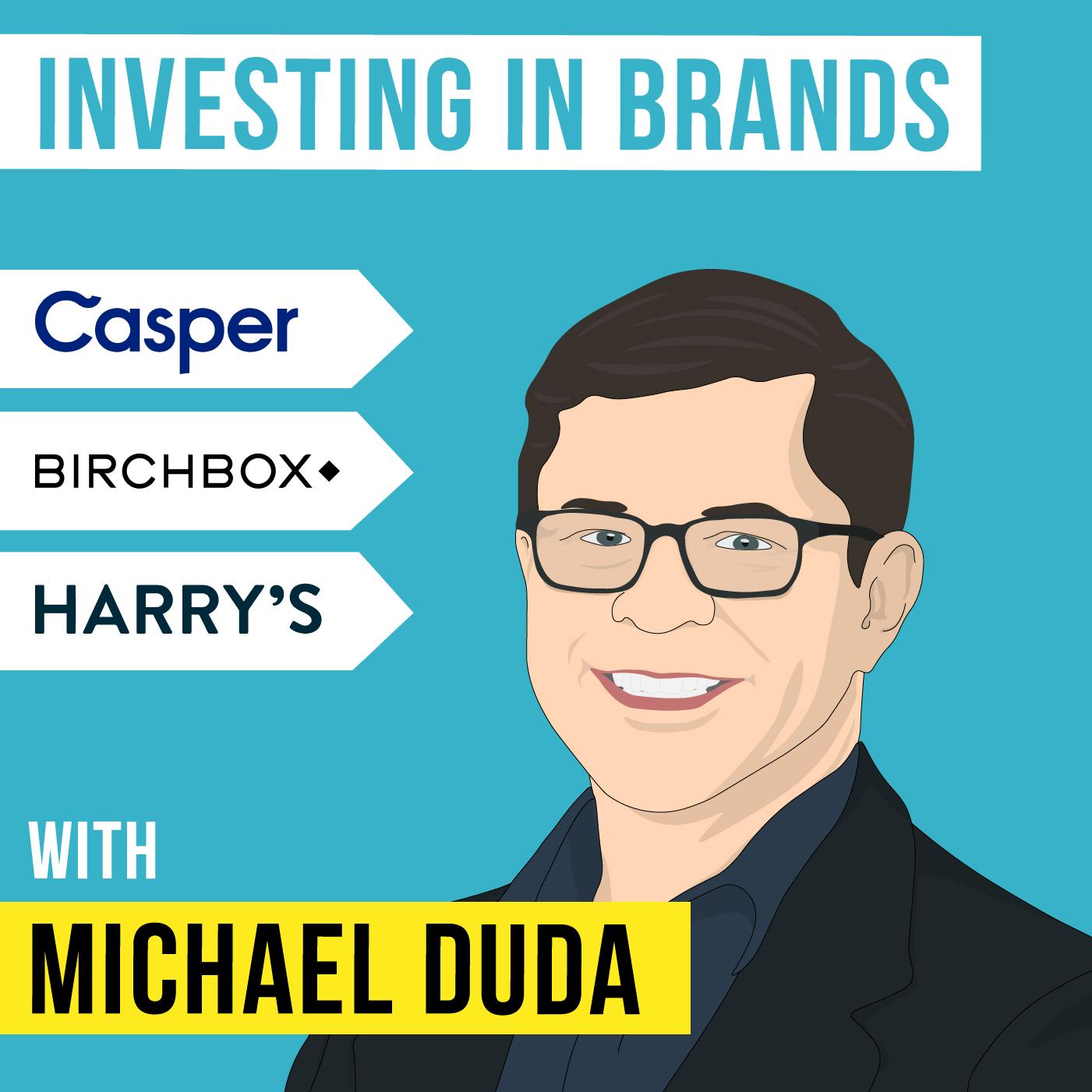 Michael Duda – Investing In Brands
From 🇺🇸 Invest Like the Best with Patrick O'Shaughnessy, published at 2019-01-15 10:30
My guest this week is Michael Duda, and the topic of our conversation is the role that brand plays in business and investing. Michael has worked on and invested in a wide-range of brands including Birchbox, Casper, Harry's, Citibank, DirecTV, Google, TripAdvisor, Under Armour and vineyard vines. His background in advertising made this a unique and interesting conversation. please enjoy. For more episodes go to InvestorFieldGuide.com/podcast. Sign up for the book club, where you’ll get a full investor curriculum and then 3-4 suggestions every month at InvestorFieldGuide.com/bookclub. Follow Patrick on Twitter at @patrick_oshag Show Notes 1:11 - (First Question) – Mission of Bullish 2:15 – Typical relationship they have with companies 3:01 – Defining brand 4:35 – Ryan Caldbeck Podcast Episode 5:51 – A dive into how brands make people feel 7:54 – Does the emphasis on brand still matter to consumers and if so, where 10:01 – Process of building up a brand 14:53 – What has changed most in the planning of a brand strategy 18:35 – How does his thinking impact his investing strategy 21:48 – Where does he differ from the rest of the market 23:34 – Advice he would give to companies in general 26:18 – How advertising has changed in the current landscape 28:35 – The screening process for picking potential investments 35:16 – How they analyze valuation 37:31 – Unusual traits he likes in founders 40:12 – Categories most ripe for young companies to disrupt 44:03 – Most interesting marketing channel for direct to consumer businesses 46:45 – Marketing piece he is most proud of 49:23 – Companies that embody the best of what has been discussed 52:31 – His love for people in business 53:41 – Kindest thing done for Michael Learn More For more episodes go to InvestorFieldGuide.com/podcast. Sign up for the book club, where you’ll get a full investor curriculum and then 3-4 suggestions every month at InvestorFieldGuide.com/bookclub Follow Patrick on twitter at @patrick_oshag
-
 Abby Johnson – Future of Finance
From 🇺🇸 Invest Like the Best with Patrick O'Shaughnessy, published at 2019-01-08 10:30
Over the summer. I spent time with Abby Johnson, who is the chairman and CEO of Fidelity Investments and several other business leads at Fidelity to understand how a very large firm like theirs is navigating change in our industry. What follows is a condensed version of my various conversations with Abby and her team. We discuss the big buzzwords like blockchain and machine learning, but also thoughts on leadership, client centricity and measures of success. I hope you enjoyed this exploration For more episodes go to InvestorFieldGuide.com/podcast. Sign up for the book club, where you’ll get a full investor curriculum and then 3-4 suggestions every month at InvestorFieldGuide.com/bookclub. Follow Patrick on Twitter at @patrick_oshag Show Notes 1:16 - (First Question) – [Abby] A look at the early part of Abby’s career 2:45 – Analyzing the skill of capital allocators 3:27 – A look at the asset management world of today and what to focus on today 7:23 – A set of decision-making principles that guide Abby 12:55 – Their strategy around the digitization of the world 16:07 – Balance between robo-advisors and humans and the markers of a good relationship 18:24 – What is the future of the role of the human in these relationships 20:15 – Their interest in emerging technologies like Blockchain 24:50 – Will crypto be its own asset class in the future 25:58 – [TOM] State of the business and the most interesting points of change 28:14 – Who is winning the battle for the next generation of investors 29:24 – How much of the change in financial business is cyclical 30:17 – What are businesses doing right to bridge that generational gap 31:01 – What does the future of the asset management industry look like 32:13 – What technologies could impact the asset management business the most 33:44 – The difference between machine learning and AI in this format 35:26 – In what way will AI impact these processes and replace humans 36:41 – What has him most excited about the future 37:54 – Advice for people thinking about pursuing a career in financial services 39:20 – Markers of a business that would be attractive for the next generation to consider working for 40:33 – The importance of brand when thinking about their business and those they work with 41:57 – Ways of engendering trust from a branding prospective 43:20 – Kindest thing anyone has done for Tom 44:28 – [VIPIN] Building a team around AI 45:21 – Markers for a good data strategy 47:25 – Kindest thing anyone has done for Vipin 48:58 - [ABBY] – How Fidelity thinks about data as an investing initiative 50:24 – Differentiating attributes of good analysts and if they’ve changed 51:34 – Investor she has always enjoyed learning from 52:37 – Favorite Peter Lynch story 53:17 – Business lessons that people could take away from Abby 54:59 – The role of women in financial services and what can be done to improve the situation there 57:35 – Trends that Abby is most excited to explore 1:00:22 – Positives and negatives of being part of a family business 1:01:46 – Kindest thing anyone has done for Abby Learn More For more episodes go to InvestorFieldGuide.com/podcast. Sign up for the book club, where you’ll get a full investor curriculum and then 3-4 suggestions every month at InvestorFieldGuide.com/bookclub Follow Patrick on twitter at @patrick_oshag