

Yan Geling and Zha Jianying discuss "Youth," the Cultural Revolution, and why young people are becoming increasingly left-wing.
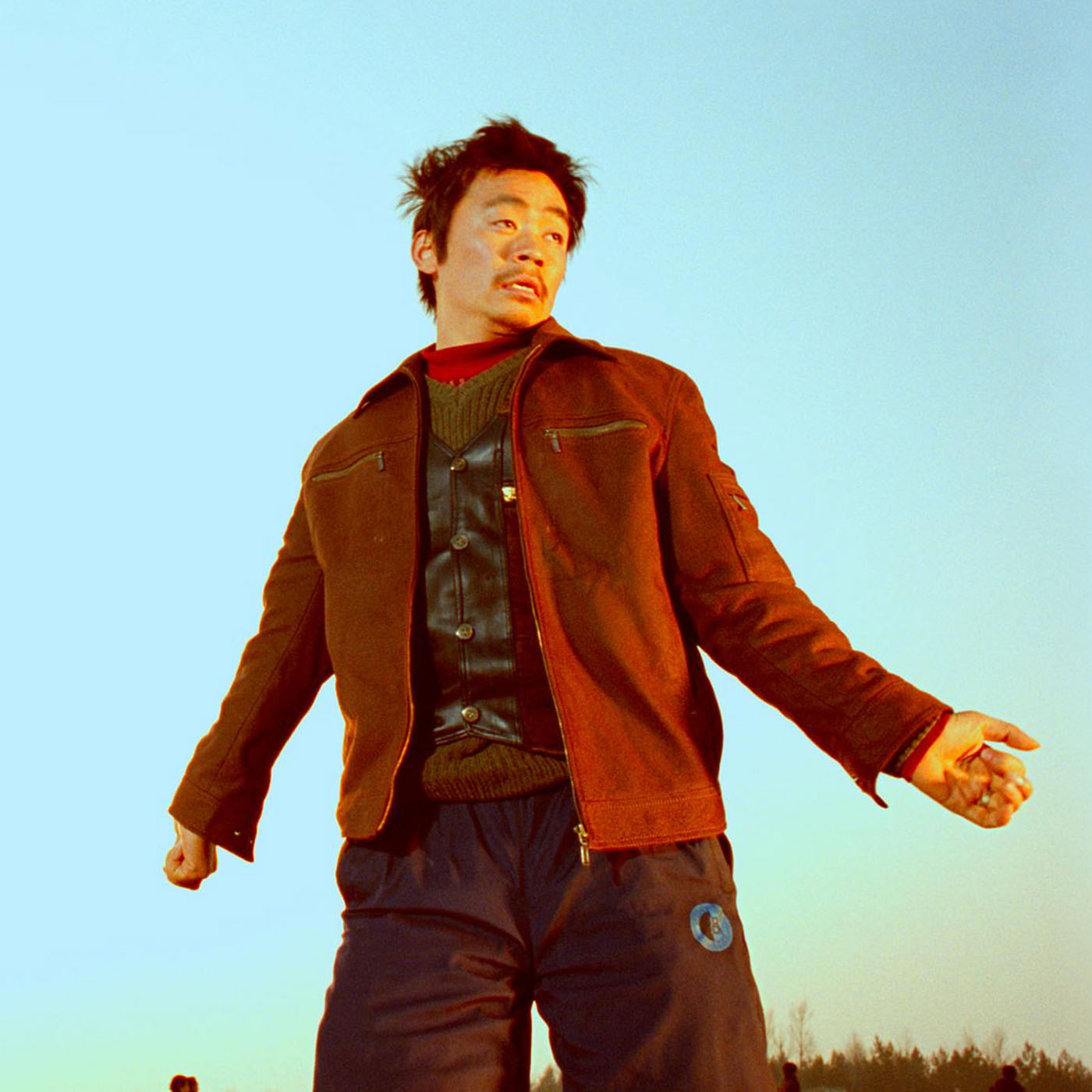
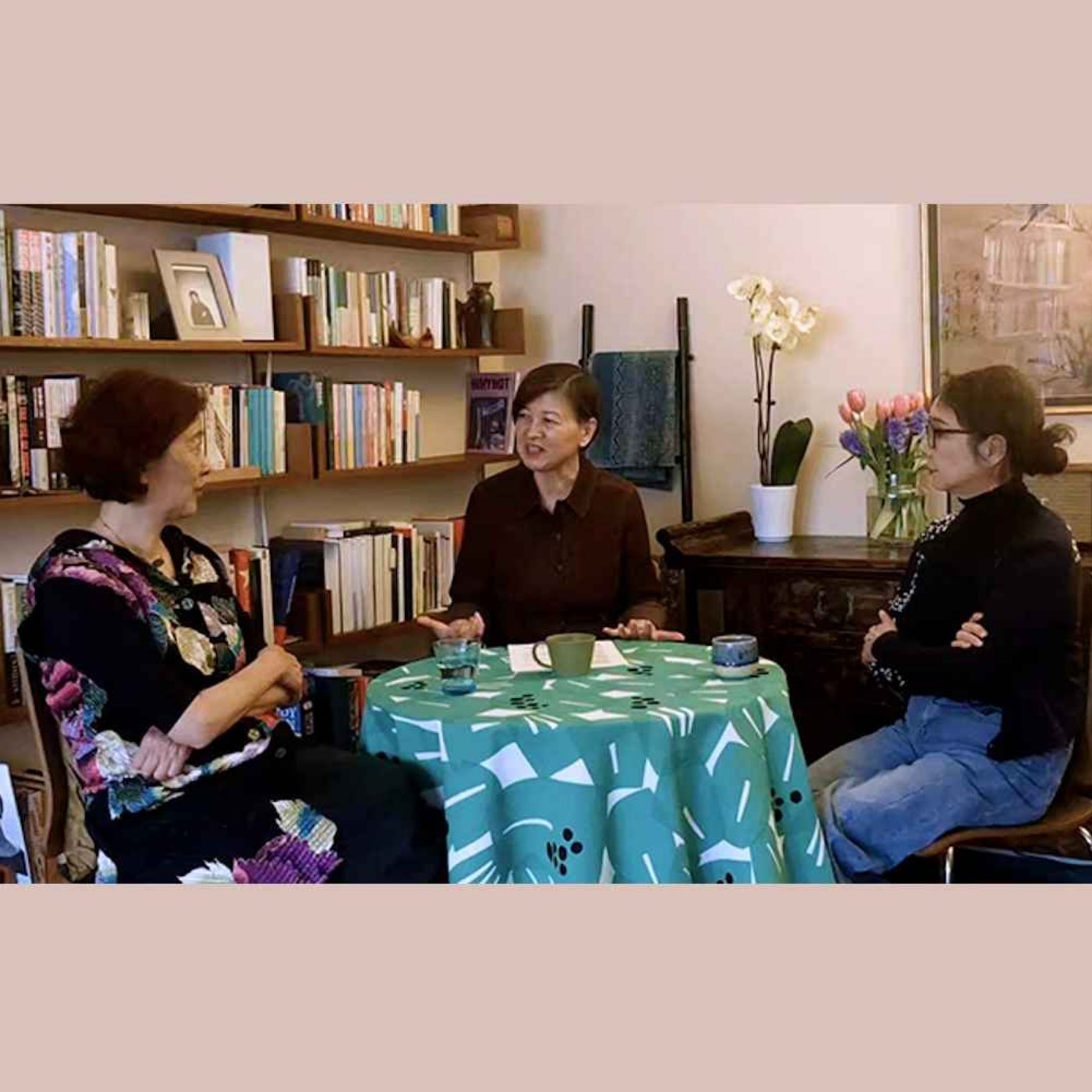
Recently, the film "Youth" suddenly regained popularity. The reason was a Bilibili content creator (UP主) reinterpreted "Youth" using language akin to political decryption. Three episodes of videos, totaling over an hour, garnered tens of millions of views. Ultimately, the videos were taken down, and the UP主's account was banned. The original video implicitly suggested that Huang Xuan, who played the male lead Liu Feng, resembled Wang Hongwen, one of the Gang of Four members. At the same time, using the story of the art troupe, it metaphorically implied that the end of the Cultural Revolution was a complete victory for the children of officials, who monopolized all resources, policies, markets, and dividends of the era. In the video's bullet comments, many young people chanted "Long live the people." Outside the videos, they are commonly referred to as "online leftists." In their eyes, the Cultural Revolution was a great movement, and Wang Hongwen was, in their view, a representative of the working class who overthrew the powerful elite. Why did this interpretation of the film "Youth" resonate with so many young people? Is it merely an exaggerated misreading, or does it reflect the powerlessness and despair of young people? This episode is the second installment of the Bumingbai Talkshow podcast. We invited Yan Geling, the novelist and screenwriter of "Youth," and writer Zha Jianying to discuss this phenomenon. We talked about: What was the original intention behind creating "Youth"? Is there a connection between Liu Feng and Wang Hongwen? How does Yan Geling understand the interpretations of the film "Youth"? Why do today's young people long for the Cultural Revolution? How different is their understanding of the Mao era from the real Mao era? Behind the "Mourning Ming" trend and the 1644 historical perspective, why are young people becoming increasingly leftist? Click to watch the live video version of Bumingbai Talkshow: https://youtu.be/l0_3PTHT09I **Timeline** 02:27 How does Yan Geling view the interpretations of the film "Youth"? 03:19 Who was the real-life inspiration for Liu Feng, the male protagonist of "Youth"? 06:04 Class solidification and privileged classes also existed during the Cultural Revolution. 11:24 Was Wang Hongwen a representative of the working class who overthrew the powerful elite? 16:02 What is the essence of young people's nostalgia for the Cultural Revolution? 23:38 China needs a "Truth and Reconciliation Commission." 31:24 Why has reflection on the Cultural Revolution gradually disappeared? 35:43 "Hitler hung in Berlin's squares, and the Nazi Party also carried out reform and opening up." 38:03 How different is young people's understanding of the Mao era from the real Mao era? 46:13 What lies behind the 1644 historical perspective and the "Mourning Ming" trend? 54:37 How else can young people understand injustice? 57:00 China's censorship standards and "drawer literature." 01:06:15 What will Yan Geling do next? Related Links: Yan Geling's X: https://x.com/YanGeling Yan Geling's "Youth" Zha Jianying: Testimony of a Survivor — Preface to the English Translation of Ji Xianlin's "Cattle-Shed Memoirs" Submission email: [email protected] Welcome to click here to donate to Bumingbai Podcast: https://www.bumingbai.net/donation/ Hosted on Acast. See acast.com/privacy for more information.
Original title: 严歌苓、查建英谈《芳华》、文革以及年轻人为何越来越左?
Original description: <p> 最近,电影《芳华》突然重新火了起来,起因是一名B站UP主用政治解密的语言对《芳华》做了重新解读,三期长达一个多小时的视频获得了上千万观看,最终视频被下架、该名UP主也被封号。原视频…