-
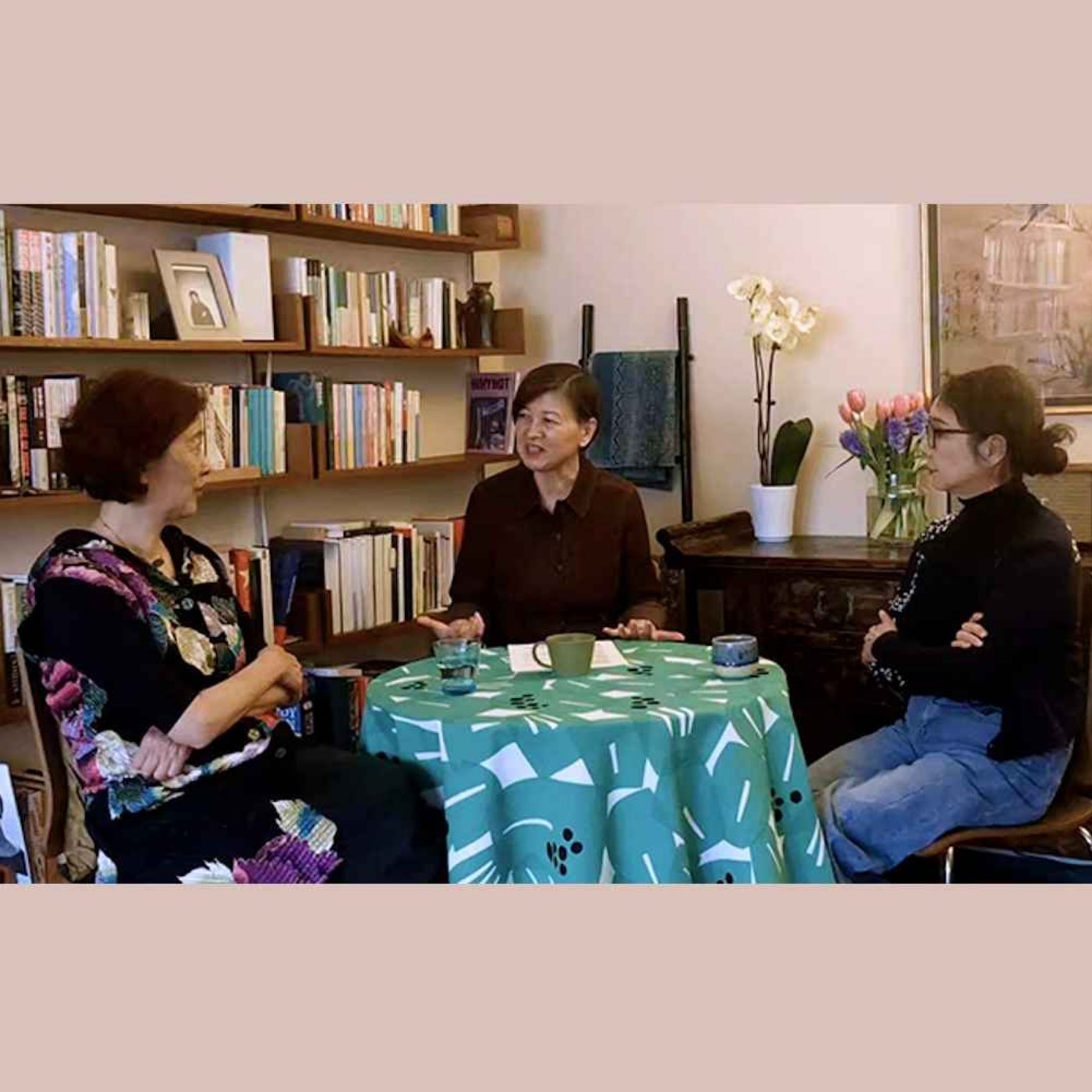 Yan Geling and Zha Jianying discuss "Youth," the Cultural Revolution, and why young people are becoming increasingly left-wing.
From 🇨🇳 不明白播客, published at 2026-01-14 23:30
Recently, the film "Youth" suddenly regained popularity. The reason was a Bilibili content creator (UP主) reinterpreted "Youth" using language akin to political decryption. Three episodes of videos, totaling over an hour, garnered tens of millions of views. Ultimately, the videos were taken down, and the UP主's account was banned. The original video implicitly suggested that Huang Xuan, who played the male lead Liu Feng, resembled Wang Hongwen, one of the Gang of Four members. At the same time, using the story of the art troupe, it metaphorically implied that the end of the Cultural Revolution was a complete victory for the children of officials, who monopolized all resources, policies, markets, and dividends of the era. In the video's bullet comments, many young people chanted "Long live the people." Outside the videos, they are commonly referred to as "online leftists." In their eyes, the Cultural Revolution was a great movement, and Wang Hongwen was, in their view, a representative of the working class who overthrew the powerful elite. Why did this interpretation of the film "Youth" resonate with so many young people? Is it merely an exaggerated misreading, or does it reflect the powerlessness and despair of young people? This episode is the second installment of the Bumingbai Talkshow podcast. We invited Yan Geling, the novelist and screenwriter of "Youth," and writer Zha Jianying to discuss this phenomenon. We talked about: What was the original intention behind creating "Youth"? Is there a connection between Liu Feng and Wang Hongwen? How does Yan Geling understand the interpretations of the film "Youth"? Why do today's young people long for the Cultural Revolution? How different is their understanding of the Mao era from the real Mao era? Behind the "Mourning Ming" trend and the 1644 historical perspective, why are young people becoming increasingly leftist? Click to watch the live video version of Bumingbai Talkshow: https://youtu.be/l0_3PTHT09I **Timeline** 02:27 How does Yan Geling view the interpretations of the film "Youth"? 03:19 Who was the real-life inspiration for Liu Feng, the male protagonist of "Youth"? 06:04 Class solidification and privileged classes also existed during the Cultural Revolution. 11:24 Was Wang Hongwen a representative of the working class who overthrew the powerful elite? 16:02 What is the essence of young people's nostalgia for the Cultural Revolution? 23:38 China needs a "Truth and Reconciliation Commission." 31:24 Why has reflection on the Cultural Revolution gradually disappeared? 35:43 "Hitler hung in Berlin's squares, and the Nazi Party also carried out reform and opening up." 38:03 How different is young people's understanding of the Mao era from the real Mao era? 46:13 What lies behind the 1644 historical perspective and the "Mourning Ming" trend? 54:37 How else can young people understand injustice? 57:00 China's censorship standards and "drawer literature." 01:06:15 What will Yan Geling do next? Related Links: Yan Geling's X: https://x.com/YanGeling Yan Geling's "Youth" Zha Jianying: Testimony of a Survivor — Preface to the English Translation of Ji Xianlin's "Cattle-Shed Memoirs" Submission email: [email protected] Welcome to click here to donate to Bumingbai Podcast: https://www.bumingbai.net/donation/ Hosted on Acast. See acast.com/privacy for more information.
Original title: 严歌苓、查建英谈《芳华》、文革以及年轻人为何越来越左?
Original description: <p> 最近,电影《芳华》突然重新火了起来,起因是一名B站UP主用政治解密的语言对《芳华》做了重新解读,三期长达一个多小时的视频获得了上千万观看,最终视频被下架、该名UP主也被封号。原视频暗指扮演男主角刘峰的黄轩长得像四人帮成员之一的王洪文,同时以文工团的故事,隐喻文革的结束,是官宦子弟们的全面胜利,资源、政策、市场、时代红利全部占尽。</p><br /><p>视频弹幕里,很多年轻人刷起了“人民万岁”的口号。视频之外,他们通常被称为“网左”,在他们眼里,文革是一场伟大的运动,王洪文则是他们眼中推翻权贵的工人阶级代表。对电影《芳华》的解读为何会收获如此多年轻人的共鸣,这仅仅是夸大其词的误读,还是反映出年轻人的无力与绝望?</p><br /><p>本期播客是不明白Talkshow的第二期节目,我们请来了《芳华》的小说作者及电影编剧严歌苓和作家查建英来一起聊聊这个现象。我们谈到了:《芳华》的创作初衷是什么,刘峰和王洪文有关系吗,严歌苓如何理解对《芳华》电影的解读?今天的年轻人为什么要怀念文革,他们理解的毛时代和真实的毛时代有多大差别?“悼明”风潮和1644史观的背后,年轻人们为何越来越左?</p><br /><p>点击收看不明白Talkshow现场视频版:<a href="https://youtu.be/l0_3PTHT09I" rel="noopener noreferrer" target="_blank">https://youtu.be/l0_3PTHT09I</a></p><br /><p><strong>时间轴</strong></p><p>02:27 严歌苓如何看待对电影《芳华》的解读?</p><p>03:19 《芳华》男主刘峰的原型是谁?</p><p>06:04 文革期间也有阶层固化与特权阶层</p><p>11:24 王洪文是推翻权贵的工人阶级代表吗?</p><p>16:02 年轻人怀念文革的本质是什么?</p><p>23:38 中国需要一个“真相与和解委员会”</p><p>31:24 对文革的反思为何逐渐消失?</p><p>35:43 “柏林的广场上挂着希特勒,纳粹党也搞改革开放”</p><p>38:03 年轻人理解的毛时代与真实的毛时代有多大差别?</p><p>46:13 1644史观与“悼明”风潮背后是什么?</p><p>54:37 年轻人还能用什么方式来理解不公?</p><p>57:00 中国的审查尺度与抽屉文学</p><p>01:06:15 严歌苓接下来会做什么?</p><br /><p>相关链接:</p><p>严歌苓的X:<a href="https://x.com/YanGeling" rel="noopener noreferrer" target="_blank">https://x.com/YanGeling</a></p><p><a href="https://a.co/d/9TXlH9U" rel="noopener noreferrer" target="_blank">严歌苓《芳华》</a></p><p><a href="https://www.nybooks.com/online/2016/01/26/china-surviving-camps-cultural-revolution-memoir/" rel="noopener noreferrer" target="_blank">查建英:幸存者的证词——季羡林《牛棚杂忆》英译版序</a></p><br /><p><br /></p><p>投稿邮箱:[email protected]</p><p>欢迎点击向不明白播客捐赠:<a href="https://www.bumingbai.net/donation/" rel="noopener noreferrer" target="_blank">https://www.bumingbai.net/donation/</a></p><hr /><p style="color: grey; font-size: 0.75em;"> Hosted on Acast. See <a href="https://acast.com/privacy" rel="noopener noreferrer" style="color: grey;" target="_blank">acast.com/privacy</a> for more information.</p>
-
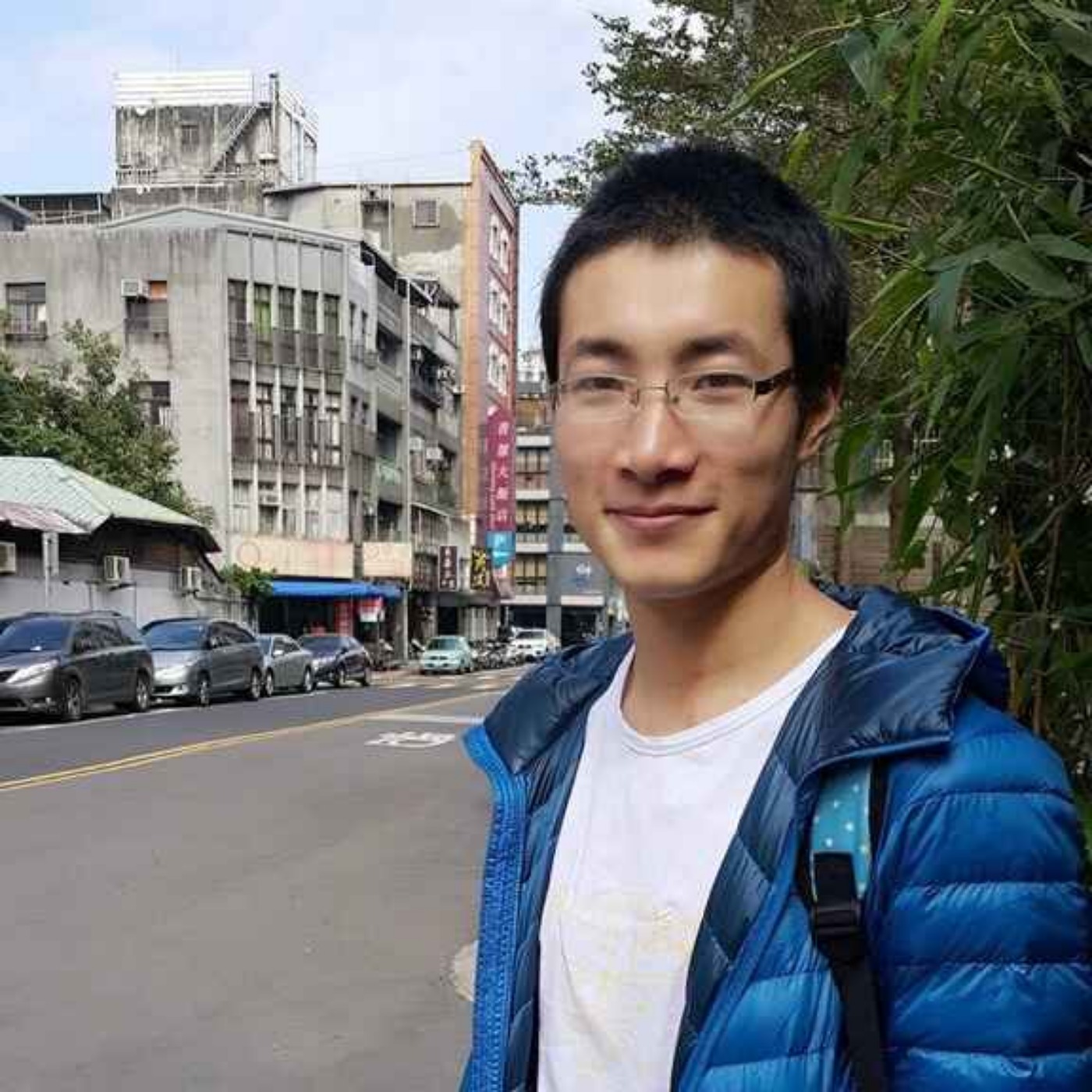 Call from Prison: Guan Heng on Xinjiang Concentration Camps and New York Immigrant Detention
From 🇨🇳 不明白播客, published at 2026-01-11 23:30
Today's podcast episode is quite special. Our guest, Guan Heng, is currently in a prison in New York, and our recording was completed via a prison phone. He is now in prison awaiting a hearing that will determine the course of his destiny—the U.S. government will decide whether to deport him.In 2020, Guan Heng traveled alone to Xinjiang, risking his life to film images of Xinjiang's re-education camps, providing crucial corroboration for international media investigative reports on Xinjiang's concentration camps. After deciding to leave China in 2021, he made his way to the United States. Over the past four years, he delivered food, drove Uber, and even drove a truck for a period. He said, "I just hoped to have a life where I could feel inner peace."In August 2025, everything came to an abrupt halt. He was arrested during an ICE raid, then sent to a detention center, and has been detained for nearly five months now. The U.S. government once attempted to deport Guan Heng to Uganda but temporarily abandoned the plan after it drew public attention.From actively documenting violence under totalitarianism to personally being caught in a lengthy, unpredictable detention process, how has Guan Heng's understanding of "freedom" changed? In today's episode, we will revisit with Guan Heng, who is currently in detention: how he gradually became a dissident; why he chose to personally go to Xinjiang to film the concentration camps; how he drifted from the Caribbean Sea to the U.S. with just a small rubber dinghy; what hopes and disillusionments life in America brought him; and what exactly he experienced over the past four or five months.Note: This podcast episode was recorded on December 25th, Christmas Day.Timeline02:05 What are Guan Heng's current feelings and what concerns him most?06:18 Why did he choose to go to Xinjiang to film the concentration camps?11:26 How Guan Heng views risk and understands fear13:39 To publish these videos, did he have to leave China?18:41 How did a small rubber dinghy cross the Caribbean Sea to reach the U.S.?23:29 What did Guan Heng experience after arriving in the U.S.?25:45 Attention, attacks, and pressure received after the concentration camp videos were released29:06 Why was Guan Heng arrested?31:59 "One moment I was driving a truck and filing taxes, the next I was a criminal."39:21 What did Guan Heng experience and witness in immigration detention?44:55 Why did he decide to become a resistor?Related Links:Guan Heng's YouTube channel: https://www.youtube.com/@guanguanofficial Hosted on Acast. See acast.com/privacy for more information.
Original title: 狱中来电:关恒谈新疆集中营与纽约移民监
Original description: <p>今天的这期播客比较特别,嘉宾关恒现在正在纽约的一所监狱中,我们的录制也是通过监狱的电话完成。如今,他正在狱中等待一场关乎他命运走向的听证会——美国政府将决定是否要将他驱逐出境。</p><br /><p>关恒在2020年独自前往新疆,冒险拍下了新疆思想改造营的影像,为国际媒体关于新疆集中营的调查报道提供了关键佐证。他在2021年决定离开中国后辗转来到美国,在过去四年里,他送过外卖、开过Uber,还开了一段时间的卡车。他说,“我就是希望能有一个让自己内心感到宁静的生活”。</p><br /><p>2025年8月,一切戛然而止。他在ICE的一次搜查中被拘捕,随后被送入拘留中心,至今已被羁押近五个月。美国政府一度试图将关恒遣送至乌干达,但在引发外界关注后暂时放弃。</p><br /><p>从主动记录极权下的暴力,到亲身陷入一套漫长、无法预期的拘押程序,关恒对“自由”的理解,会发生怎样的变化?在今天这期节目中,我们将和正在被羁押中的关恒一起回顾:他是如何一步步成为一名异见者;为什么选择亲自前往新疆拍摄集中营;他如何仅凭一条小橡皮艇,从加勒比海漂到了美国;在美国的生活带给了他怎样的希望与幻灭;以及在过去四五个月里,他究竟经历了什么。</p><br /><p>注:本期播客录制于12月25日圣诞节。</p><br /><p>文字版:<a href="https://bit.ly/bmb-191-text" rel="noopener noreferrer" target="_blank">https://bit.ly/bmb-191-text</a></p><br /><p><strong>时间轴</strong></p><p>02:05 关恒现在的心情和他最关心的是什么?</p><p>06:18 为什么要前往新疆拍摄集中营?</p><p>11:26 关恒如何看待风险,如何理解恐惧</p><p>13:39 想要发表这些视频,就必须离开中国?</p><p>18:41 一艘小橡皮艇如何跨越加勒比海来到美国?</p><p>23:29 来到美国之后,关恒经历了什么?</p><p>25:45 集中营视频发布后受到的关注、攻击与压力</p><p>29:06 关恒为什么会被捕?</p><p>31:59 “前一刻还在开卡车、报税,下一刻就成了罪犯”</p><p>39:21 关恒在移民监狱里经历和看到了什么?</p><p>44:10 为什么会下定决心成为反抗者?</p><br /><p>相关链接:</p><p>关恒的YouTube频道:<a href="https://www.youtube.com/@guanguanofficial" rel="noopener noreferrer" target="_blank">https://www.youtube.com/@guanguanofficial</a></p><hr /><p style="color: grey; font-size: 0.75em;"> Hosted on Acast. See <a href="https://acast.com/privacy" rel="noopener noreferrer" style="color: grey;" target="_blank">acast.com/privacy</a> for more information.</p>
-
 How would Maduro's arrest affect China's Latin American strategy?
From 🇨🇳 不明白播客, published at 2026-01-08 23:00
In the early morning of Saturday, January 3, the United States dispatched troops to arrest Venezuelan President Nicolás Maduro, causing a global shockwave.Since the Chávez era, Venezuela has been an important partner for China in Latin America. From 2000 to 2023, Beijing provided Venezuela with over $100 billion in financing. Just hours before Maduro's arrest, he had met with a Chinese delegation led by Qiu Xiaoqi, the Chinese government's Special Representative for Latin American Affairs.How should we understand the U.S. action against Maduro? Is it a blatant act of hegemony, or a belated reckoning with a dictatorial regime? Under the changing political landscape in Venezuela, will China's oil security be threatened? Will Trump's "Monroe Doctrine," which views the Western Hemisphere as the U.S. sphere of influence, lead to a direct conflict between China and the U.S. in Latin America? What impact will this U.S. action have on the future direction of cross-strait relations?Today's guest is Leland Lazarus. He is a researcher in U.S. foreign policy and national security, focusing on Latin America, China's influence in the Western Hemisphere, and transnational criminal networks. He is one of the few researchers in U.S. policy circles who consistently analyzes China, Latin America, and the United States on the same map.Click to watch the video versionTimeline01:46 Why did the U.S. arrest Maduro?05:30 How have Venezuelans reacted to Maduro's arrest?10:01 How do other Latin American countries view this U.S. action?12:59 Why is China betting on Venezuela? Is it just for oil?19:15 Possible reasons for the meeting between China's Latin American envoy and Maduro20:12 If the U.S. were to take over Cuba, would China intervene?26:34 Will China adjust its Latin America strategy because of this?29:56 How will this U.S. action affect the direction of the Taiwan Strait situation?32:08 What are the long-term implications of this event? Are we returning to the pre-WWI era?34:20 Guest RecommendationsGuest Recommendations:Winston Churchill, *The Second World War*Eva Dou, *House of Huawei*Story FM Hosted on Acast. See acast.com/privacy for more information.
Original title: 马杜罗被捕如何影响中国的拉美战略?
Original description: <p> 1月3日周六凌晨,美国派兵抓捕委内瑞拉总统马杜罗,引发了全球震动。</p><br /><p>从查韦斯时代开始,委内瑞拉就是中国在拉丁美洲的重要合作伙伴,从2000年到2023年,北京向委内瑞拉提供超过1000亿美元的融资。就在马杜罗被捕前的数小时,马杜罗还会见了中国政府拉美事务特别代表邱小琪率领的中方代表团。</p><br /><p>我们应该如何理解美国对马杜罗的行动,这是赤裸裸的霸权行为,还是对独裁政权的迟来清算?委内瑞拉政局变动之下,中国的石油安全会受到威胁吗?川普的“唐罗主义”将西半球视为美国的势力范围,会不会导致中美在拉美地区发生正面冲突?美国这次行动对台海关系未来走向会有什么样影响?</p><br /><p>今天的嘉宾是 Leland Lazarus 罗力澜。他是美国外交政策与国家安全领域的研究者,长期关注拉丁美洲、中国在西半球的影响,以及跨国犯罪网络。他是美国政策圈中,少数长期把中国—拉美—美国三者放在同一张地图上分析的研究者之一。</p><br /><p>文字版:<a href="https://bit.ly/bmb-190-text" rel="noopener noreferrer" target="_blank">https://bit.ly/bmb-190-text</a></p><br /><p>点击收看<a href="https://youtu.be/PFCm0FfT-pU" rel="noopener noreferrer" target="_blank">视频版</a></p><br /><p><strong>时间轴</strong></p><p>01:46 美国为什么要抓马杜罗?</p><p>05:30 委内瑞拉人对马杜罗被抓有什么反应?</p><p>10:01 拉美其它国家如何看待美国此次行动?</p><p>12:59 中国为什么押注委内瑞拉,只是为了石油吗?</p><p>19:15 中国的拉美特使与马杜罗会面可能的原因</p><p>20:12 如果美国要拿下古巴,中国会出手吗?</p><p>26:34 中国会因此调整拉美战略吗?</p><p>29:56 美国此次行动会如何影响台海局势走向?</p><p>32:08 事件的长期影响是什么,我们正在回到一战前?</p><p>34:20 嘉宾推荐</p><br /><p>嘉宾推荐:</p><p><a href="https://book.douban.com/subject/1214078/" rel="noopener noreferrer" target="_blank">丘吉尔《第二次世界大战回忆录》</a></p><p><a href="https://www.penguinrandomhouse.com/books/721789/house-of-huawei-by-eva-dou/" rel="noopener noreferrer" target="_blank">Eva Dou《House of Huawei》</a></p><p><a href="https://open.spotify.com/show/3ROMNljvYu6nHCTpklrOS6?si=23d8961876a5473b" rel="noopener noreferrer" target="_blank">故事FM</a></p><hr /><p style="color: grey; font-size: 0.75em;"> Hosted on Acast. See <a href="https://acast.com/privacy" rel="noopener noreferrer" style="color: grey;" target="_blank">acast.com/privacy</a> for more information.</p>
-
 New Year Livestream | 2026: How to be a good Chinese person?
From 🇨🇳 不明白播客, published at 2026-01-02 16:32
Happy New Year, listeners!This podcast is an edited version of our New Year's live stream. If we were to use one word to describe 2025, many Chinese people might say: "endure." The economic downturn shows no clear turning point, relations between China and many countries remain tense, and the world is clearly deviating from the trajectory we've been familiar with for decades. Frankly, I've rarely felt so uncertain at the beginning of a year about what the world will look like by its end.Precisely for this reason, on the first day of 2026, we don't want to engage in a predictive discussion, much less offer seemingly certain answers. We want to discuss a more fundamental and personal question: In an era of high uncertainty, how should one conduct oneself? When we say "be a good Chinese person," what exactly do we mean? As the world order is being reshaped and identities are constantly being labeled, how can a Chinese person maintain judgment, dignity, and basic human principles in different positions?Today's guests include Li Houchen, the most diligent content creator on the Chinese internet and host of the YouTube channel "Bitter Tea of the World"; Liu Zongkun, the least anxious content creator on the Chinese internet, host of the YouTube channel "The Hiking Rider," and a retired lawyer; and Ya Mei, a talented, brave, and interesting Gen Z journalist.Click to watch the full video replay: https://youtube.com/live/pRdgWtwAPxITimeline02:09 What is one issue where countries are "backsliding" in 2025?05:28 How does Old Liu, the least anxious person on the Chinese internet, view people's anxiety?10:01 Ya Mei discusses the situation and sense of security for a journalist in 202513:55 How do the guests understand "being a good Chinese person"?20:57 Li Houchen forced to pretend to be Japanese in Taiwan?25:47 How do overseas Chinese cope with feeling like "neither here nor there"?32:34 Chinese people easily become part of the state's weaponization37:26 How to understand the shame associated with "pig liver-colored passports"?42:28 Amid economic downturn, how do ordinary people not recognized by the social evaluation system find meaning?45:53 Contemporary young people live in an ultra-high-difficulty environment right after graduation49:23 How to become insulated from the chain of public opinion fraud?52:04 In this era, how to face the political depression brought by clarity?56:52 What can 'run' solve, and what can it not solve?01:01:56 What's behind mourning the Ming Dynasty, the 'kill line,' and the US-China reckoning?01:06:11 Will the Chinese model truly defeat democratic systems?01:16:24 How to connect with like-minded people in an atomized China?01:24:42 Yuan Li and guests' New Year wishes01:30:25 Guest recommendationsGuest recommendations:Epictetus, *The Enchiridion**The Shawshank Redemption**Finding My Japanese Midwife*Yan Geling, *Youth**Demon Slayer: Kimetsu no Yaiba – Infinity Castle*Mark L. Clifford, *The Troublemaker: How Jimmy Lai Became a Billionaire, Hong Kong's Greatest Dissident, and China's Most Feared Critic*Geng Jun, *Nice Friends* Hosted on Acast. See acast.com/privacy for more information.
Original title: 新年直播丨 2026年,如何当好中国人?
Original description: <p>听众朋友们新年快乐!</p><br /><p>本期播客为新年直播的精剪版本。如果用一个字来形容 2025 年,很多中国人可能都会说:“熬。”经济下行看不到明确的拐点,中国与不少国家之间的关系持续紧张,世界正在明显偏离过去几十年我们所熟悉的运行轨道。坦率地说,我很少在一年的开头,对这一年结束时世界会变成什么样,感到如此没有把握。</p><br /><p>也正因为如此,在2026年的第一天,我们不想做一场预测型的讨论,更不想给出看似确定的答案。我们想谈一个更基础、也更个人的问题:在一个高度不确定的时代,人要如何自处?当我们说“当好一个中国人”时,我们到底在说什么?当世界格局正在重组,当身份不断被标签化,一个中国人如何在不同位置上保持判断、尊严和做人的底线。</p><br /><p>今天的嘉宾有中文互联网最辛勤的内容创作者、YouTube频道“世界苦茶”的主理人李厚辰,中文互联网最不焦虑的内容创作者、YouTube频道“徒步的骑手”主播、退休律师刘宗坤和才华横溢且勇敢有趣的Z世代新闻记者亚美。</p><br /><p>点击收看完整视频回放:<a href="https://youtube.com/live/pRdgWtwAPxI" rel="noopener noreferrer" target="_blank">https://youtube.com/live/pRdgWtwAPxI</a></p><br /><p>文字版:<a href="https://bit.ly/bmb-189-text" rel="noopener noreferrer" target="_blank">https://bit.ly/bmb-189-text</a></p><br /><p>时间轴</p><p>02:09 2025年各国都在“开倒车”的一个问题是什么?</p><p>05:28 中文互联网最不焦虑的老刘如何看待人们的焦虑</p><p>10:01 亚美谈2025年作为记者的处境与安全感</p><p>13:55 嘉宾们如何理解 “当好中国人”?</p><p>20:57 李厚辰在台湾被迫装日本人?</p><p>25:47 海外华人如何应对“里外不是人”的状态?</p><p>32:34 中国人容易成为国家武器化的一部分</p><p>37:26 如何理解“猪肝色护照”的耻感?</p><p>42:28 经济下行,不被社会评价体系认可的普通人如何寻找意义?</p><p>45:53 当代年轻人一毕业就活在超高难度的环境里</p><p>49:23 如何成为舆论诈骗链条上的绝缘体?</p><p>52:04 在这个时代,如何面对清醒带来的政治抑郁?</p><p>56:52 润可以解决什么,不可以解决什么?</p><p>01:01:56 悼明、斩杀线和中美对账背后是什么?</p><p>01:06:11 中国模式真的会战胜民主政体吗?</p><p>01:16:24 在原子化的中国如何连结同温层?</p><p>01:24:42 袁莉和嘉宾们的新年愿望</p><p>01:30:25 嘉宾推荐</p><p>嘉宾推荐:</p><p><a href="https://book.douban.com/subject/4781891/" rel="noopener noreferrer" target="_blank">Epictetus(爱比克泰德)《The Enchiridion》(《手册》)</a></p><p><a href="https://movie.douban.com/subject/1292052/" rel="noopener noreferrer" target="_blank">《肖申克的救赎》</a></p><p><a href="https://www.douban.com/podcast_episode/333283" rel="noopener noreferrer" target="_blank">《寻找我的日本接生婆》</a></p><p><a href="https://book.douban.com/subject/27010212/" rel="noopener noreferrer" target="_blank">严歌苓《芳华》</a></p><p><a href="https://movie.douban.com/subject/36524559/" rel="noopener noreferrer" target="_blank">《鬼灭之刃·无限城》</a></p><p><a href="https://www.barnesandnoble.com/w/the-troublemaker-mark-l-clifford/1144787619" rel="noopener noreferrer" target="_blank">Mark L. Clifford 马克·克利福德 《The Troublemaker: How Jimmy Lai Became a Billionaire, Hong Kong's Greatest Dissident, and China's Most Feared Critic》 (《麻烦制造者:黎智英从一个亿万富翁到香港的最大异见者,中国最忌惮的批评者》)</a></p><p><a href="https://www.imdb.com/title/tt33616511/" rel="noopener noreferrer" target="_blank">耿军《漂亮朋友》</a></p><hr /><p style="color: grey; font-size: 0.75em;"> Hosted on Acast. See <a href="https://acast.com/privacy" rel="noopener noreferrer" style="color: grey;" target="_blank">acast.com/privacy</a> for more information.</p>
-
 Tang Zhixue: Interpreting the court trial of Xu Qinxian, commander of the 38th Army. Why did he defy orders during June Fourth?
From 🇨🇳 不明白播客, published at 2025-12-28 23:24
In the late spring and early summer of 1989, when China's top leadership decided to deploy the military to end the pro-democracy protests in Beijing, many crucial commands, disagreements, and hesitations remained sealed in the shadows of history.Until recently, a six-hour trial video from a secret military court was leaked overseas. The protagonist of the video is Xu Qinxiang, who was then the commander of the 38th Group Army of the People's Liberation Army. In this footage, Xu Qinxiang did not make impassioned speeches or plead for leniency. What he repeatedly emphasized were the consequences — that this was a mass protest, and deploying the military against civilians could lead to bloodshed and turn people into historical criminals. This video not only transformed the name "Xu Qinxiang" from a legend into a flesh-and-blood person, but also provided us with an unprecedented window into understanding the internal psychological structure of the Chinese military in 1989, as well as the divisions and fears among the political top brass during the decision-making process.In this episode, we will use this trial video as a starting point to interpret several long-unanswered questions surrounding the "June Fourth" incident: What exactly did Xu Qinxiang do at the time, and how did the historical memory of "Three Supports and Two Militaries" during the Cultural Revolution profoundly influence the military's fear of re-entering politics; Was Xu a "dissident," or an executor attempting to find legitimate space within the system?Through the Xu Qinxiang case, this episode will also discuss broader questions: Did the CCP elite ever harbor illusions about the system's ability to self-correct? Why was there no large-scale military purge after June Fourth? And how did Xi Jinping draw lessons from June Fourth regarding Party-military relations, as well as the political logic behind the military purges and "anti-corruption" campaigns in recent years?To what extent will this video, more than thirty years late, change our overall understanding of the inner workings of the June Fourth decision-making? Is it crucial evidence, or a tragic personal footnote?In this episode, we have invited Professor Tang Zhixue, Associate Professor at American University and a scholar of CCP Party history, to interpret this valuable historical moment with us.Click to watch the video versionTimeline:00:00 Trial Content02:38 What exactly did Xu Qinxiang do and not do in May 1989?04:19 What is the most important value revealed by the trial video?06:05 Why did Xu Qinxiang choose this method of defense?09:38 The Shadow of the Cultural Revolution and "Three Supports and Two Militaries": Why did the military fear being drawn into politics?11:17 Were there procedural issues with the martial law order? Why were verbal orders given?19:17 Was Xu Qinxiang's behavior at the time permitted by the system or did it cross a red line?25:30 Was he a "dissident" or someone within the system who held reservations?28:16 Did Xu Qinxiang actually emphasize that "the National People's Congress should discuss it first"? What is the point of contention?37:10 Was the CCP elite's belief in the system's self-correction ability an illusion?43:10 Xu Qinxiang was sentenced to 5 years, was this light or heavy? What signal did the CCP want to send?47:42 Why was there no large-scale purge after June Fourth?50:34 Comparing with the Soviet Union in 1991: What were the differences between the Chinese and Soviet armies at critical moments?01:01:08 How did Xi Jinping summarize the lessons of "Party-government-military" relations from June Fourth? How to interpret the major military purges of the past two years?01:07:29 Will the public release of the video change our overall understanding of the inner workings of the June Fourth decision-making?01:11:25 Guest RecommendationsGuest Recommendations:Lou Ye 2006 "Summer Palace"Perry Link Wu Dazhi "I have No Enemies: The Life and Legacy of Liu Xiaobo"Mohammad Rasoulof "The Seed of the Sacred Fig" Hosted on Acast. See acast.com/privacy for more information.
Original title: 唐志学:解读38军军长徐勤先庭审,他为何六四抗命?
Original description: <p>1989 年春夏之交,当中国最高领导层决定动用军队,结束北京的民主抗议时,许多关键的命令、分歧与犹疑,都被封存在历史的阴影之中。</p><br /><p>直到最近,一段长达六小时、来自秘密军事法庭的审判录像在海外流出。录像的主角,是时任解放军第38集团军军长徐勤先。在这段影像中,徐勤先没有慷慨陈词,也没有请求宽恕。他反复强调的,是后果——这是一次群众性的抗议活动,向平民动用军队,可能造成流血,也可能让人沦为历史的罪人。这段录像不仅让“徐勤先”这个名字从传说变成了一个有血有肉的人,也为我们提供了一个前所未有的窗口,去理解1989年中国军队内部的心理结构,以及政治高层在决策过程中的分歧与恐惧。</p><br /><p>在本期节目中,我们将以这段庭审录像为起点,解读「六四」事件中几个长期悬而未决的问题: 徐勤先当时究竟做了什么,文革时期“三支两军”的历史记忆,如何深刻影响了军队对再次介入政治的恐惧;徐是一个“异议者”,还是一位试图在体制内部寻找合法空间的执行者?</p><br /><p>透过徐勤先案,本期节目还将讨论更宏观的问题:中共精英是否曾对体制的自我纠偏能力抱有幻想?为什么在六四之后,并未出现大规模的军内整肃?习近平又是如何从六四总结党政军关系的教训,以及近年来军队整肃与“反腐”行动背后的政治逻辑。</p><br /><p>这段迟到三十多年的录像,究竟会在多大程度上改变我们对六四决策内幕的整体认知?它是关键证据,还是一段悲剧性的个人注脚?</p><br /><p>本期节目,我们邀请到现任美利坚大学副教授,研究中共党史的学者唐志学教授,一起解读这一珍贵的历史现场。</p><br /><p><a href="https://youtu.be/Y9yaQuV1rUc" rel="noopener noreferrer" target="_blank">点击收看视频版本</a></p><br /><p>文字版:<a href="https://bit.ly/bmb-188-text" rel="noopener noreferrer" target="_blank">https://bit.ly/bmb-188-text</a></p><br /><p>2026年1月1日不明白播客新年直播再度相约,欢迎大家向嘉宾提问:<a href="https://bit.ly/bmb-live10-slido" rel="noopener noreferrer" target="_blank">https://bit.ly/bmb-live10-slido</a></p><br /><p><strong>时间轴:</strong></p><p>00:00 庭审内容</p><p>02:38 徐勤先在1989 年 5月究竟做了什么、没做什么?</p><p>04:19 庭审录像展现的最重要的价值是什么?</p><p>06:05 徐勤先为什么选择如此的辩护方式?</p><p>09:38 文革与“三支两军”的阴影:军队为何害怕被卷入政治?</p><p>11:17 戒严命令是否存在程序问题?为什么会出现口头命令?</p><p>19:17 徐勤先当时的行为是制度允许的还是触碰了红线?</p><p>25:30 他是“异议者”还是体制内的保留意见者?</p><p>28:16 徐勤先到底有没有强调“人大应先讨论”?争议点在哪里?</p><p>37:10 中共精英对体制的纠偏能力是一种幻想吗?</p><p>43:10 徐勤先被判5年,轻还是重?中共想传递什么信号?</p><p>47:42 六四后为何没有发生大规模整肃?</p><p>50:34 对照1991年苏联:中苏军队在关键时刻的差异是什么?</p><p>01:01:08 习近平如何从六四总结“党政军”关系的教训?怎么解读这两年的军队大清洗</p><p>01:07:29 录像公开会改变我们对六四决策内幕的整体认知吗?</p><p>01:11:25 嘉宾推荐</p><br /><p>嘉宾推荐:</p><p><a href="https://www.imdb.com/title/tt0794374/" rel="noopener noreferrer" target="_blank">娄烨 2006《颐和园》(Summer Palace)</a></p><p><a href="https://cup.columbia.edu/book/i-have-no-enemies/9780231556446/" rel="noopener noreferrer" target="_blank">林培瑞 吴大志 Perry Link Wu Dazhi《I have No Enemies: The Life and Legacy of Liu Xiaobo》(《我没有敌人:刘晓波的生平与遗产》)</a></p><p><a href="https://movie.douban.com/subject/36864625/" rel="noopener noreferrer" target="_blank">穆罕默德·拉索罗夫 《 The seed of the sacred fig》(《神圣无花果之种》)</a></p><hr /><p style="color: grey; font-size: 0.75em;"> Hosted on Acast. See <a href="https://acast.com/privacy" rel="noopener noreferrer" style="color: grey;" target="_blank">acast.com/privacy</a> for more information.</p>
-
 Yi Fuxian: "The Executioner" Peng Peiyun and the Misguided Population Policy
From 🇨🇳 不明白播客, published at 2025-12-26 13:00
A few days ago, Peng Peiyun, who had long served as the director of China's National Family Planning Commission, passed away.In the 1990s, Peng Peiyun promoted the 'one-vote veto system for family planning' from local experience to the entire country, directly linking the promotion of local officials to the implementation of family planning, which initiated a precipitous decline in China's birth rate. China abolished the one-child policy in 2016, but it was too late. In recent years, China's birth population has fallen to its lowest level since the Qianlong period of the Qing Dynasty, and its fertility rate has dropped into the ranks of the world's lowest.In this episode, we will discuss who Peng Peiyun was, why it's said that her 'hands were stained with fetal blood,' and why a policy later acknowledged as a mistake persisted for decades before being corrected. When the birth rate had already fallen below replacement levels, what forces prevented a policy shift? Are China's demographic data truly credible? How do population changes affect the economy, elder care, social stability, and even the long-term trajectory of the country? Could China's pro-natalist policies be effective?Joining us to discuss these issues is Yi Fuxian, an expert on population issues and a researcher at the University of Wisconsin-Madison. For the past two decades, he has consistently challenged China's official demographic data and population policy judgments, and has consequently been blocked and attacked for a long time. In this episode, we start with Peng Peiyun, and combining his research and personal experience, discuss how family planning was implemented at the grassroots level, and look back at the formation, implementation, and belated correction of China's population policy.Timeline:01:43 Why are Peng Peiyun's hands said to be stained with fetal blood?04:33 How did Peng Peiyun long influence China's population policy?07:06 'If you don't abort, they'll tear down your house and take your cattle': The systemic violence of family planning09:58 Was the one-child policy a case of 'concentrating efforts on doing bad things'?12:32 Who was obstructing the correction of family planning policies?18:59 Are China's pro-natalist policies destined to be futile?24:44 What is China's true population?30:00 What are the consequences of distorted demographic data?35:09 How to view the claim that 'too many bachelors can easily lead to war'?39:43 Does population aging actually make the CCP's rule more stable?40:32 How does the vicious cycle of the younger generation not marrying and not having children arise?42:44 Guest RecommendationsGuest RecommendationsXin Wang, Ma Guochuan (Editors) "Selected Economic Essays on Forty Years of Reform"Liang Zhongtang "Struggling Left and Right — Chen Muhua, Hu Yaobang, Zhao Ziyang, and Family Planning"Yi Fuxian "Big Country with an Empty Nest" Hosted on Acast. See acast.com/privacy for more information.
Original title: 易富贤:「刽子手」彭珮云与走入歧途的人口政策
Original description: <p>几天前,曾长期担任中国国家计划生育委员会主任的彭珮云去世。</p><br /><p>上世纪 90 年代,彭珮云将“计划生育一票否决制”从地方经验推广至全国,把地方官员的升迁与计划生育执行情况直接挂钩,开启了中国生育率的断崖式下跌。2016年中国废除独生子女政策,但为时已晚。近年来,中国的出生人口已经降至清代乾隆年间以来的最低水平,生育率跌入全球最低行列。</p><br /><p>本期节目,我们将讨论彭珮云是谁,为什么说她“沾满了胎儿血”?为什么一项后来被承认是失误的政策,会持续数十年才被纠正?当生育率早已跌破人口更替水平时,是什么力量阻止了政策转向?中国的人口数据究竟是否可信?人口变化又如何影响经济、养老、社会稳定,甚至国家的长期走向?中国鼓励生育的政策可能有效吗?</p><br /><p>和我们一起讨论这些问题的是人口问题研究专家、美国威斯康星大学麦迪逊分校研究员易富贤。过去二十多年,他持续挑战中国官方的人口数据和人口政策判断,也因此长期被封杀、被攻击。本期节目,我们从彭珮云谈起,结合他的研究与亲历,讨论计划生育在基层的执行方式,回看中国人口政策的形成、执行与迟来的纠偏。</p><br /><p><strong>文字版</strong>:<a href="https://bit.ly/bmb-187-text" rel="noopener noreferrer" target="_blank">https://bit.ly/bmb-187-text</a></p><br /><p><strong>时间轴:</strong></p><p>01:43 为什么说彭珮云的双手沾满了胎儿血?</p><p>04:33 彭珮云如何长期影响中国的人口政策?</p><p>07:06 “该流不流,扒房牵牛”:计划生育的系统性暴力</p><p>09:58 独生子女政策是“集中精力办坏事”?</p><p>12:32 谁在阻碍计划生育政策的纠偏?</p><p>18:59 中国的鼓励生育政策注定徒劳无功?</p><p>24:44 中国真实的人口到底有多少?</p><p>30:00 人口数据失真导致的结果是什么?</p><p>35:09 如何看待“光棍太多容易发生战争”的说法?</p><p>39:43 人口老龄化反而让中共的统治更加稳定?</p><p>40:32 年轻一代不婚不育的恶性循环如何产生?</p><p>42:44 嘉宾推荐</p><br /><p>嘉宾推荐</p><p><a href="https://book.douban.com/subject/34930392/" rel="noopener noreferrer" target="_blank">新望 马国川主编《改革四十年经济学文选》</a></p><p><a href="https://amzn.eu/d/1VCevzl" rel="noopener noreferrer" target="_blank">梁中堂 《左冲右突 ⸺陈慕华、胡耀邦、赵紫阳与计划生育》</a></p><p><a href="https://bit.ly/yfx-dgkc" rel="noopener noreferrer" target="_blank">易富贤 《大国空巢》</a></p><hr /><p style="color: grey; font-size: 0.75em;"> Hosted on Acast. See <a href="https://acast.com/privacy" rel="noopener noreferrer" style="color: grey;" target="_blank">acast.com/privacy</a> for more information.</p>
-
 The Trial of Jimmy Lai: The Fate of a Troublemaker
From 🇨🇳 不明白播客, published at 2025-12-16 17:00
On December 15, the Hong Kong High Court found Jimmy Lai guilty on two counts of conspiracy to collude with foreign forces and one count of conspiracy to publish seditious publications, which means that 78-year-old Jimmy Lai could spend the rest of his life in prison.Jimmy Lai's story is quite legendary. At the age of 12, he stowed away from Guangzhou to Hong Kong, built his fortune from scratch, founded the clothing brand Giordano, and became a billionaire. In 1989, like many Hongkongers, he supported the protesting students in Beijing, donating money and tents, hoping for China's democratization. However, the gunshots in Tiananmen shattered his illusions, and he began to focus on politics, subsequently founding Next Magazine and Apple Daily in the 1990s. Because he criticized then-Chinese Premier Li Peng, Giordano's stores in Beijing were closed. To run an independent newspaper without political concerns, he sold his shares in Giordano in 1996.While other Hong Kong tycoons were busy cultivating good relations with Beijing, Jimmy Lai supported Hong Kong's opposition. He was likely the biggest donor to Hong Kong's pro-democracy camp, and in both the 2014 Umbrella Movement and the 2019 Anti-Extradition Law Amendment Bill Movement, he clearly stood with the protesters, participating in marches and enduring tear gas attacks. Today, his battle has reached its conclusion. Regarding winning or losing, everyone has their own judgment, but for Jimmy Lai, he might see this as the beginning of another fight. As he once said: "My true nature is that of a fighter."This episode is an edited version of our live broadcast on the day of the verdict. For this broadcast, we invited Jimmy Lai's son Sebastien Lai, Shirley Leung, Executive Editor-in-Chief of "The Pulse," a media outlet focused on reporting on Hong Kong, and Eric Lai, Senior Researcher at Georgetown University's Asian Law Center. All three guests have deeply witnessed Jimmy Lai's and Hong Kong's struggles over the years. We discussed why Jimmy Lai steadfastly chose to be a "troublemaker," why he could have comfortably remained a tycoon or left Hong Kong early but instead chose prison life, what issues are present in this high-profile national security case, and his possible fate after being found guilty.Timeline:00:00 From billionaire to Hong Kong's democracy fighter, Jimmy Lai's journey07:29 Shirley and Eric's feelings after the guilty verdict was announced12:08 What are the judicial issues in this landmark national security case?17:32 What happens next after the guilty verdict?19:26 What does this case mean for press freedom in Hong Kong?22:54 Guests' impressions of Apple Daily and what it did?30:04 How Sebastien Lai views the verdict against his father?32:16 Jimmy Lai's physical condition in prison, what has he endured?36:13 What kind of father is Jimmy Lai?38:46 In Sebastien Lai's eyes, how does his father view his imprisonment?42:33 Why did Jimmy Lai become the person the CCP fears most?46:17 Is funding the Hong Kong democracy movement legal?50:45 The internal atmosphere of Apple Daily before its closure56:37 Jimmy Lai's political spectrum and his beliefs01:06:47 After the guilty verdict, is it possible for Jimmy Lai to regain freedom?01:09:54 What the guests want to say to Hongkongers01:12:35 "If I were merely content with being rich, a successful businessman, such a life would be meaningless to me."Related links:Mark L. Clifford, "The Troublemaker: How Jimmy Lai Became a Billionaire, Hong Kong's Greatest Dissident, and China's Most Feared Critic"Sebastien Lai's X account: #FreeJimmyLaiThe Pulse: https://pulsehknews.com/Eric Yan-ho Lai's X account Hosted on Acast. See acast.com/privacy for more information.
Original title: 「审判」黎智英:一个麻烦制造者的命运
Original description: <p>12月15日,香港高等法庭对黎智英两项串谋勾结外国势力罪和一项串谋发布煽动刊物罪做出有罪判决,这意味着78岁的黎智英有可能在牢狱中度过自己的余生。</p><br /><p>黎智英的故事颇为传奇,他12岁从广州偷渡来到香港的黎智英,白手兴家创办服装品牌佐丹奴,成为亿万富翁。1989年他和很多香港人一样支持北京的示威学生,捐钱、捐帐篷,希望中国民主化,但天安门的枪声打碎了他的幻想,他开始关注政治,90年代先后创办《壹周刊》、《苹果日报》。因为批评当时的中国总理李鹏,佐丹奴在北京的门店被关闭,为了没有政治顾虑地独立办报,他在1996年出售了自己持有的佐丹奴股份。</p><br /><p>在其他香港大亨忙于和北京搞好关系的时候,黎智英却在支持香港的反对派。他可能是给香港民主派捐款最多的人,在2014年雨伞运动和2019年反送中运动中,他都明确地站在示威者的一边,参与游行,受催泪弹的攻击。到今天,他的这场仗打到了结尾,关于输赢,每个人有每个人的判断,但对黎智英来说,他可能会认为这是另一场战斗的开始。就像他说过的:“我真正的本性,是一个斗士。”</p><br /><p>本期节目是我们在判决当日直播的精剪版本。这场直播我们邀请到了黎智英之子黎崇恩Sebastien、关注报道香港的媒体《追光者》的执行总编辑梁嘉丽Shirley以及美国乔治城大学亚洲法律中心高级研究员黎恩灏Eric ,三位嘉宾都深入见证了黎智英和香港这些年的抗争,我们谈到了黎智英为什么坚定地选择做一个“麻烦制造者”,为什么可以安稳地当一个大亨或者早早离开香港,却选择牢狱生活,这起备受瞩目的国安案件有哪些问题,以及被判决有罪之后他可能的命运。</p><br /><p>文字版:<a href="https://bit.ly/bmb-186-text" rel="noopener noreferrer" target="_blank">https://bit.ly/bmb-186-text</a></p><br /><p><strong>时间轴:</strong></p><br /><p>00:00 从亿万富翁到香港的民主斗士,黎智英的经历</p><p>07:29 Shirley和Eric在有罪判决公布后的心情</p><p>12:08 这起标志性的国安案件在司法角度有哪些问题?</p><p>17:32 有罪判决之后,接下来会发生什么?</p><p>19:26 这起案件对香港的新闻自由意味着什么?</p><p>22:54 嘉宾们对《苹果日报》的印象,它做过哪些事情?</p><p>30:04 黎崇恩如何看待对父亲的判决结果?</p><p>32:16 黎智英狱中的身体情况,他遭遇了什么?</p><p>36:13 黎智英是一个怎样的父亲?</p><p>38:46 黎崇恩眼里,父亲如何看待自己的牢狱之灾?</p><p>42:33 黎智英为什么会变成中共最害怕的人?</p><p>46:17 资助香港民主运动是合法的?</p><p>50:45 停刊之前的《苹果日报》内部氛围</p><p>56:37 黎智英的政治光谱与他的信仰</p><p>01:06:47 有罪判决之后,黎智英可能重获自由吗?</p><p>01:09:54 嘉宾们对香港人想说的话</p><p>01:12:35 “如果我只是满足于富有,做一个成功的商人,那样的人生对我来说没有意义”</p><br /><p>相关链接:</p><br /><p><a href="https://www.barnesandnoble.com/w/the-troublemaker-mark-l-clifford/1144787619" rel="noopener noreferrer" target="_blank">Mark L. Clifford 马克·克利福德 《The Troublemaker: How Jimmy Lai Became a Billionaire, Hong Kong's Greatest Dissident, and China's Most Feared Critic》 (《麻烦制造者:黎智英从一个亿万富翁到香港的最大异见者,中国最忌惮的批评者》)</a></p><p><a href="https://x.com/SupportJimmyLai" rel="noopener noreferrer" target="_blank">黎崇恩X账号:#FreeJimmyLai</a></p><p>追光者:<a href="https://pulsehknews.com/" rel="noopener noreferrer" target="_blank">https://pulsehknews.com/</a></p><p><a href="https://x.com/laiyanhoeric" rel="noopener noreferrer" target="_blank">黎恩灏X账号:Eric Yan-ho Lai 黎恩灝</a></p><hr /><p style="color: grey; font-size: 0.75em;"> Hosted on Acast. See <a href="https://acast.com/privacy" rel="noopener noreferrer" style="color: grey;" target="_blank">acast.com/privacy</a> for more information.</p>
-
 Pei Minxin: Why Xi Jinping's emergence is a high-probability event?
From 🇨🇳 不明白播客, published at 2025-12-12 23:00
For a long time, the West generally believed that China's economic development would eventually lead to political democratization. However, the reality after forty years of reform and opening-up is precisely the opposite: after Xi Jinping came to power, China not only did not continue to move towards openness but rapidly returned to a repressive totalitarian system.In his new book, "The Broken China Dream," Professor Minxin Pei puts forward an important argument: today's resurgence of totalitarianism is not accidental, but the inevitable outcome of the internal logic of forty years of reform and opening-up. In this episode, we will review with Professor Pei: Why did China's political system transformation fail? Why are Xi Jinping-style leaders almost inevitable under this system? Why did economic growth in China not promote democracy, but instead weakened the impetus for reform? How was the massive totalitarian machine gradually restarted? And how did the "China Dream," once full of high hopes, gradually fall apart?Welcome to donate to the Bumingbai Podcast by clicking here: https://www.bumingbai.net/donation/Timestamps:00:53 The journey of studying China: From cautious optimism to "The Broken China Dream"04:03 Three political reform threads in the 1980s: Party institutionalization, social loosening, and top-level design08:24 Why did the political reform blueprint die prematurely?09:48 Why was "institutionalization" within the Party just a house of cards?13:09 Why is democratic transition difficult for China's totalitarian system?19:59 How does economic development instead hinder democracy? How does the CCP use growth to feed its rule?26:03 The rise of Xi Jinping: An accidental choice or a high-probability event under the system?31:00 Deng Xiaoping didn't dismantle the "totalitarian machine"; Xi merely re-energized it35:32 From "hide your strength, bide your time" to wolf warrior and charm diplomacy: The difference between Deng Xiaoping's and Xi Jinping's foreign policy41:39 Two different "China Dreams"44:52 A reminder to American and Chinese elites: Don't be misled by the "China Model"48:01 Guest recommendationsGuest Recommendations:Ruixue Jia, Hongbin Li, Claire Cousineau "The Highest Exam" (Gaokao)Jerome Alan Cohen "Eastward Westward" (Dongxing, Xixing)Netflix series "Turning Point" (Zhuanzhedian)Related Links:Minxin Pei "The Broken China Dream: How Reform Revived Totalitarianism"EP-141 Minxin Pei: Why Does Xi Jinping's Anti-Corruption Campaign Lead to More Corruption? Hosted on Acast. See acast.com/privacy for more information.
Original title: 裴敏欣:为何习近平的出现是大概率事件?
Original description: <p>长期以来,西方普遍相信中国的经济发展终将带来政治上的民主化。然而在改革开放四十年之后的现实却截然相反:习近平上台后,中国不仅没有继续走向开放,反而快速回到重压的极权体制。</p><br /><p>在新书《破碎的中国梦》中,裴敏欣教授提出了一个重要观点:今天的极权回潮并非偶然,而是四十年改革开放内部逻辑的必然结果。本期节目,我们将与裴教授一起回顾:为什么中国政治体制转型会失败?为何习近平式的领导人在这一体制下几乎不可避免?为什么经济增长在中国没有推动民主,反而削弱了改革动力?庞大的极权机器又是如何一步步重启的?那个曾被寄予厚望的“中国梦”,又是怎样一步步走向破碎?</p><br /><p>欢迎点击向不明白播客捐赠:<a href="https://www.bumingbai.net/donation/" rel="noopener noreferrer" target="_blank">https://www.bumingbai.net/donation/</a></p><br /><p>文字版: <a href="https://bit.ly/bmb-185-text" rel="noopener noreferrer" target="_blank">https://bit.ly/bmb-185-text</a></p><br /><p><strong>时间轴:</strong></p><p>00:53 研究中国的心路:从审慎乐观到“破碎的中国梦”</p><p>04:03 80年代三条政治改革线索:党内制度化、社会宽松与顶层设计</p><p>08:24 政改蓝图为何夭折?</p><p>09:48 党内“制度化”为何只是纸牌屋?</p><p>13:09 中国极权为何民主转型难?</p><p>19:59 经济发展如何反而阻碍民主?中共如何用增长反哺统治?</p><p>26:03 习近平的崛起:偶然人选还是体制下的大概率事件?</p><p>31:00 邓小平没拆掉“极权机器”,习只是重新通电</p><p>35:32 从“韬光养晦”到战狼与魅力外交:邓小平与习近平外交的差别</p><p>41:39 两种不同的“中国梦”</p><p>44:52 给美国与中国精英的提醒:别被“中国模式”迷惑</p><p>48:01嘉宾推荐</p><br /><p>嘉宾推荐:</p><p><a href="https://www.hup.harvard.edu/books/9780674295391" rel="noopener noreferrer" target="_blank">贾瑞雪 李宏彬 《Claire Cousineau The Highest Exam》(《最高考试》)</a></p><p><a href="https://cup.columbia.edu/book/eastward-westward/9780231215923/" rel="noopener noreferrer" target="_blank">Jerome Alan Cohen(孔杰荣)《 Eastward Westward》(《东行,西行》)</a></p><p><a href="https://movie.douban.com/subject/36781078/" rel="noopener noreferrer" target="_blank">Netflix 剧集《Turning Point》( 《转折点》)</a></p><br /><p>相关链接:</p><p><a href="https://bit.ly/BrokenChinaDream" rel="noopener noreferrer" target="_blank">裴敏欣《The Broken China Dream: How Reform Revived Totalitarianism》</a></p><p><a href="https://bumingbai.net/2025/03/15/ep-141-peiminxin/" rel="noopener noreferrer" target="_blank">EP-141 裴敏欣:习近平反腐为何越反越腐?</a></p><hr /><p style="color: grey; font-size: 0.75em;"> Hosted on Acast. See <a href="https://acast.com/privacy" rel="noopener noreferrer" style="color: grey;" target="_blank">acast.com/privacy</a> for more information.</p>
-
 Zhu Rikun: The Fantasy and Disillusionment of Chinese Independent Cinema
From 🇨🇳 不明白播客, published at 2025-12-06 23:00
The first IndieChina Film Festival, originally scheduled to be held in New York this November, was abruptly canceled two days before its opening. Organizer Zhu Rikun received warnings from across the ocean: not only his father's trembling instructions over the phone, but also withdrawal requests from dozens of participating directors in China who were forced to send them. Some were threatened with career ruin, others had their families harassed, and fear spread along the internet cables from Beijing to New York. Zhu Rikun is an important promoter in the Chinese independent film scene, having founded Phenomenon Studio and the Li Xianting Film Fund, building platforms for independent directors to connect, and organizing multiple Beijing Independent Film Festivals. He witnessed the era when Chinese independent cinema grew wildly in the cracks, and also personally experienced the devastating raids by authorities on private film archives after 2014. To escape this suffocating control, he moved to New York, but never imagined that ten years later, the long arm of censorship could still precisely stifle a small screening event across the ocean. To protect the creators in China, Zhu Rikun painfully canceled the festival, but he insisted on going to the empty cinema every day to take a photo as a silent protest. Why would an independent film festival on the fringes of New York provoke such a strong reaction from the Chinese authorities? When "running" out of China no longer means safety, what dilemmas do overseas cultural diaspora communities face? In a time when Chinese independent cinema is almost withering away, what is the meaning of persisting in documentation and screening? In this episode, Zhu Rikun will share with us the absurd reality behind this canceled film festival, and his tenacious watch over the future of Chinese independent cinema. Welcome to donate to the Bumingbai Podcast: https://www.bumingbai.net/donation/ Call for Interviews: Meituan's "Starting Another Life" promotional video was taken down amidst controversy. Among the 84 million "new employment forms" workers as officially defined, the so-called "new life" is not a choice at all, but often a helpless self-rescue after white-collar unemployment and devaluation of academic credentials. We are looking for one in 84 million: if you were once a professional or a university student, and are now working as a Didi driver or food delivery person, please write to [email protected] Timeline: 00:00 intro 02:03 The ins and outs of the festival's cancellation: a late-night call from his father 06:45 Extreme panic, a wave of film withdrawals by domestic directors 11:02 Collective punishment mechanism: not just directors, but even guests, hosts, and even those just helping out were harassed 14:38 Call for submissions surprise: despite rapidly shrinking creative space, 182 submissions were still received 19:14 Encountering an anonymous letter from "New York Chinese students": spontaneous "Little Pinks" or official interference? 21:19 Silent protest: taking a photo every day at the empty cinema 28:27 A look back at twenty years of Chinese independent film festivals: never truly lenient 30:09 The 2004 Millennium Monument incident: expelled right after opening, audience locked out 39:42 The 2014 crackdown: Li Xianting Film Fund raided, precious archives missing 46:27 Reasons for leaving Beijing: surveillance at his doorstep and concern for his daughter 50:04 Original intention for organizing the festival: to create an "exile" film festival based in China, but only able to be held in New York 56:32 In an era where "continuous creation is impossible," what is the meaning of visual documentation? 01:03:14 Guest recommendations Guest Recommendations: Wang Xiaobo: The Golden Age Trilogy Edgar Allan Poe: Short Stories Collection Wolfgang Becker: Good Bye, Lenin! Related links: IndieChina Film Festival official website: https://indiechina.org/ Hosted on Acast. See acast.com/privacy for more information.
Original title: 朱日坤:中国独立电影的幻想与破灭
Original description: <p>原计划于今年11月在纽约举办的首届 IndieChina 电影节,在开幕前两天戛然而止。发起人朱日坤收到了来自大洋彼岸的警告: 不仅仅是父亲在电话里颤抖的嘱咐,更是数十位身处国内的参展导演被迫发来的撤片请求。有人被威胁将断送职业生涯,有人被骚扰家人,恐惧顺着网线从北京蔓延到了纽约。</p><br /><p>朱日坤是中国独立电影界的重要推手,曾创办现象工作室、栗宪庭电影基金,为独立导演搭建交流平台,并组织过多次北京独立电影展。他见证过中国独立影像在夹缝中野蛮生长的年代,也亲历了2014年之后当局对民间影像档案毁灭性的查抄。为了逃离这种窒息的管控,他移居纽约,却未曾想到,十年后,审查的长臂依然能精准地扼杀一场在大洋彼岸的小型放映活动。</p><br /><p>为了保护国内的创作者,朱日坤痛苦地取消了影展,但他坚持每天前往空荡荡的影院,拍下一张照片,作为无声的抗议。</p><br /><p>为什么一个在纽约边缘的独立影展会让中国当局如此大动干戈?当“润”出中国都不再意味着安全,海外的文化离散社群面临着怎样的困境?在中国独立电影几乎凋零的今天,坚持记录、坚持放映还有什么意义?本期节目,朱日坤将与我们分享这场被取消的影展背后的荒诞现实,以及他对中国独立电影未来的顽强守望。</p><br /><p>欢迎点击向不明白播客捐赠:<a href="https://www.bumingbai.net/donation/" rel="noopener noreferrer" target="_blank">https://www.bumingbai.net/donation/</a></p><br /><p><strong>采访征集</strong>:美团“开启另一种人生”宣传片在争议声中下架。在官方定义的8400万“新就业形态”劳动者中,所谓“新人生”,根本不是选择,往往是白领失业、学历贬值后的无奈自救。我们正在寻找8400万分之一:如果你曾是职场人士或大学生,如今正在跑滴滴、送外卖,欢迎来信至[email protected]</p><br /><p>文字版:<a href="https://bit.ly/bmb-184-text" rel="noopener noreferrer" target="_blank">https://bit.ly/bmb-184-text</a></p><br /><p><strong>时间轴</strong>:</p><p>00:00 intro</p><p>02:03 影展取消始末:来自父亲的深夜电话</p><p>06:45 极度恐慌,国内导演的撤片潮</p><p>11:02 连坐机制:不仅是导演,连嘉宾、主持人甚至只是帮忙的人都被骚扰</p><p>14:38 征片惊喜:在创作空间急剧缩减下,依然收到了182 部投稿</p><p>19:14 遭遇“纽约留学生”匿名信:是自发的小粉红还是官方干扰?</p><p>21:19 无声抗议:每天去空荡荡的影院拍一张照片</p><p>28:27 回顾中国独立影展二十年:从来没有真正宽松过</p><p>30:09 2004年世纪坛事件:刚开幕就被驱逐,观众被关在门外</p><p>39:42 2014年的大扫荡:栗宪庭电影基金被查抄,珍贵档案不知所踪</p><p>46:27 离开北京的原因:家门口的监视者与对女儿的担忧</p><p>50:04 办展初衷:做一个立足中国、但只能在纽约举办的“流亡”影展</p><p>56:32 在“无法持续创作”的时代,影像记录还有什么意义?</p><p>01:03:14 嘉宾推荐</p><br /><p><strong>嘉宾推荐</strong>:</p><p><a href="https://book.douban.com/subject/27057620/" rel="noopener noreferrer" target="_blank">王小波:时代三部曲</a></p><p><a href="https://book.douban.com/subject/1083429/" rel="noopener noreferrer" target="_blank">爱伦·坡短篇小说集</a></p><p><a href="https://movie.douban.com/subject/1292055/" rel="noopener noreferrer" target="_blank">沃尔夫冈·贝克《再见列宁》</a></p><br /><p>相关链接:</p><p>IndieChina电影节官网:<a href="https://indiechina.org/" rel="noopener noreferrer" target="_blank">https://indiechina.org/</a></p><hr /><p style="color: grey; font-size: 0.75em;"> Hosted on Acast. See <a href="https://acast.com/privacy" rel="noopener noreferrer" style="color: grey;" target="_blank">acast.com/privacy</a> for more information.</p>
-
 After the great fire: Hong Kong's 'untamed' civil society
From 🇨🇳 不明白播客, published at 2025-12-02 23:00
A fire that broke out on the afternoon of November 26 at Wang Fuk Court in Tai Po, Hong Kong, touched the hearts of many. This fire, which erupted in a densely populated high-rise community, burned for two full days, only being extinguished on the evening of the 28th. As of December 2, the catastrophe claimed 156 lives, including one firefighter who died in the line of duty, with 79 injured and over 30 missing.When the fire was extinguished, the smoke on the public opinion battlefield had just begun to rise. We witnessed an absurd "bamboo scaffolding controversy": mainland official media and the Hong Kong government quickly echoed each other, attempting to transform a regulatory man-made disaster into a false proposition of "technological backwardness." We also saw how, after the promulgation of the National Security Law, the Hong Kong political sphere's obsession with "maintaining stability" far surpassed disaster relief: from the Liaison Office of the National Security Commission in Hong Kong issuing a Cultural Revolution-esque statement to the police taking away students who called for an independent investigation.But above this high-pressure wreckage, we also saw the untamed soul of Hong Kong. Citizens spontaneously developed "report safety" apps, provided overnight material support, and queued to lay flowers, with that long-lost self-organizing capacity of civil society, similar to 2019, re-emerging. Why is Beijing so afraid of this "love for fellow citizens" stemming from human nature? When "mourning" becomes "soft resistance," and "accountability" becomes "black violence," how should Hongkongers protect each other in the cracks of authoritarianism?In this episode of Un понятно Live, we invited three Hong Kong guests to take us from the vested interests behind bamboo scaffolding, to the collapse of professionalism, and then to question how Hongkongers can find a way to survive in a "politicized disaster." The first is Anna Kwok, Senior Analyst at the Inter-Parliamentary Alliance on China (IPAC), who was formerly a spokesperson for "Keyboard Frontline." The second is Sanho Chung, a postdoctoral researcher at National Taiwan Normal University, who previously served as an editorial board member for *Flow Magazine* and focuses on research into Hong Kong's political development and social change. The third is Kris Cheng, an independent journalist who previously worked for Voice of America's Cantonese service.Click to watch the full live broadcast replay:https://www.youtube.com/watch?v=pnElrMAV_dMTimeline:02:34 Guest Sharing: As Hongkongers, what are your thoughts after this major fire?06:17 The beginning and end of the "bamboo scaffolding" controversy: How did it evolve into a China-Hong Kong ideological dispute? 10:02 Systemic collapse: How have vested interests and regulatory failures persisted for so long? 12:18 The silencing of professionalism: Why is it said that Hong Kong now only has "government agents," and are professional bodies still active? 15:56 Chief Executive John Lee's "thank you list": Why was the first reaction to thank Xi Jinping? 16:51 Hong Kong's grassroots self-help and material mobilization22:08 Is queuing to lay flowers simply mourning, or a silent form of political resistance? 25:37 Official characterization: Why equate public calls for an "independent investigation" with "black violence"? 27:00 The Liaison Office of the National Security Commission in Hong Kong's "Cultural Revolution-esque" statement: Has Hong Kong's governance logic undergone a "genetic mutation"?38:07 The era of pan-politicization: Why is all criticism framed as "endangering national security"?44:50 The first disaster after the National Security Law: A true sense of "living under authoritarianism"? 48:53 Listener Question: Following the Greater Bay Area integration trend, will Hong Kong be fully "China-standardized" within ten years? 53:30 "Care Teams" enter the scene: Are they to comfort families, or are they "Chaoyang Masses"?57:48 Will any officials step down because of this fire? 01:01:12 Under the shadow of the National Security Law, what else can Hongkongers do? Is there still room for resistance?01:11:36 Recommendation: Hong Kong independent media are still speaking outRelated LinksKris Cheng's X account: https://x.com/krislcAnna Kwok's X account: https://x.com/chungchingkwongSanho Chung's X account: https://x.com/sanhochung Hosted on Acast. See acast.com/privacy for more information.
Original title: 大火之后:没有被「驯服」的香港公民社会
Original description: <p>11月26日下午发生在香港大埔宏福苑的一场火灾,牵动着许多人的心。这场在人口稠密的高层社区爆发的火灾燃烧了整整两天,直至 28日晚才被扑灭。截止12月2日,这场浩劫夺走了156条生命,包括一名殉职消防员,另有79人受伤、超过30人失踪。</p><br /><p>当大火熄灭,舆论场上的硝烟却刚刚升起。我们看到了一场荒谬的“竹棚争议”:大陆官媒与港府迅速唱和,试图将一场监管人祸转化为“技术落后”的伪命题。我们也看到了《国安法》颁布后香港政界对“维稳”的痴迷远胜于救灾:从驻港国安公署发出充满文革色彩的声明,到警方带走呼吁独立调查的学生。</p><br /><p>但在这片高压的废墟之上,我们也看到了未被驯服的香港灵魂。市民自发开发报平安 App、连夜物资支援、排队献花,那种久违的、类似 2019 年的公民社会自组织能力再次涌现。为什么北京会如此恐惧这种源于人性的“同胞之爱”?当“悼念”变成“软对抗”,当“问责”变成“黑暴”,香港人该如何在独裁的缝隙中守护彼此?</p><br /><p>本期不明白直播,我们邀请了三位香港嘉宾,带我们从竹棚背后的利益输送,谈到专业主义的崩塌,再追问香港人如何在“政治化灾难”中寻找生路。第一位是 对中政策跨国议会联盟 (IPAC) 高级分析员邝颂晴,她曾是“键盘战线”发言人; 第二位是 国立台湾师范大学博士后研究员钟燊豪,曾任《如水》杂志编委,专注于香港政治发展与社会变迁的研究; 第三位是 独立记者郑乐捷 (Kris),曾任职于美国之音粤语组。</p><br /><p><strong>文字版:</strong><a href="https://bit.ly/bmb-183-text" rel="noopener noreferrer" target="_blank">https://bit.ly/bmb-183-text</a></p><br /><p>点击收看完整直播回放:</p><p><a href="https://www.youtube.com/watch?v=pnElrMAV_dM" rel="noopener noreferrer" target="_blank">https://www.youtube.com/watch?v=pnElrMAV_dM</a></p><br /><p>时间轴:</p><p>02:34 嘉宾分享:作为香港人,这场大火后的感想?</p><p>06:17 “竹棚”争议的始末:如何演变成中港意识形态之争的? </p><p>10:02 制度崩坏:利益输送与监管失效是如何长期存在的? </p><p>12:18 专业主义的失语:为何说现在的香港只剩“政府代理人”,专业团体还在吗? </p><p>15:56 特首李家超的“感谢名单”:为何第一反应是感谢习近平? </p><p>16:51 香港的民间自救与物资动员</p><p>22:08 排队献花是单纯的哀悼,还是一种沉默的政治反抗? </p><p>25:37 官方定性:为何将民间呼吁“独立调查”与“黑暴”画上等号? </p><p>27:00 驻港国安公署的“文革式”声明:香港的治理逻辑是否已发生基因突变”?</p><p>38:07 泛政治化时代:为何一切批评都会被套上“危害国安”的模板?</p><p>44:50 《国安法》后的第一次灾难:真正有了“生活在独裁下”的实感? </p><p>48:53 听众提问:按照大湾区融合趋势,香港会在十年内全面“中国标准化”吗? </p><p>53:30 “关爱队”进场:是安抚家属,还是「朝阳群众」?</p><p>57:48 这次大火会有官员下台吗? </p><p>01:01:12 国安法阴影下,香港人还能做什么?还有反抗的空间吗?</p><p>01:11:36 推荐:香港独立媒体还在发声</p><p>相关链接</p><p>郑乐捷(Kris Cheng) 的X账号:<a href="https://x.com/krislc" rel="noopener noreferrer" target="_blank">https://x.com/krislc</a></p><p>邝颂晴 的 X 账号:<a href="https://x.com/chungchingkwong" rel="noopener noreferrer" target="_blank">https://x.com/chungchingkwong</a></p><p>钟燊豪 的 X 账号:<a href="https://x.com/sanhochung" rel="noopener noreferrer" target="_blank">https://x.com/sanhochung</a></p><hr /><p style="color: grey; font-size: 0.75em;"> Hosted on Acast. See <a href="https://acast.com/privacy" rel="noopener noreferrer" style="color: grey;" target="_blank">acast.com/privacy</a> for more information.</p>
-
 Teacher Li: The Making of a Revolutionary
From 🇨🇳 不明白播客, published at 2025-11-30 23:00
After the 2022 White Paper Movement, Li Ying, whose Twitter handle is @李老师不是你老师, transformed from an art student who originally just posted witty remarks on Weibo into one of the most influential overseas dissidents. Bumingbai Podcast interviewed him on the first anniversary of the White Paper Movement and earlier this year, and each time, host Yuan Li noticed his significant changes. Over the past three years, he seems to have grown from a reluctant rebel into an active and optimistic revolutionary.Li Ying said he started reposting simply out of a desire to return home during the pandemic, but ultimately could never go home again. Now, Teacher Li's Twitter account has over two million followers, broadcasting daily to the world about what is happening in China. Forced demolitions here, factories owing wages there, a lone brave individual appearing in yet another city. This year, some have called Teacher Li's Twitter account the overseas petition office.Besides operating the Twitter account, Li Ying has done even more in the past two years. He and his team have started more crowdsourced investigation projects, such as the 'Cattle and Horses ICU' we discussed in a previous podcast. He and his team also run a daily news channel on YouTube.How did the White Paper Movement affect Li Ying's life? What did Li Ying experience, transforming from an ordinary art student studying abroad to a dissident carefully profiled by China? How does he understand everything he has encountered? How did he transform his identity? And what are his goals?Welcome to donate to Bumingbai Podcast by clicking here: https://www.bumingbai.net/donation/Timeline:03:45 Moved four times, death threats, depression, became somewhat more cheerful — what has Teacher Li experienced in the past three years?08:22 Once encountered the mafia at his doorstep12:06 'I will most likely be assassinated in the future'16:12 Once thought about deleting his account, but his bank card was suddenly frozen18:20 Friends around him were questioned and profiled by the CCP22:23 What is Teacher Li's daily life like? Does he have an ultimate goal?25:08 Projects undertaken this year: Stars Go Home, Cattle and Horses ICU and 611, Free Walk, 'Are You Happy?'28:03 Since the White Paper Movement, fewer people are willing to submit contributions34:51 Re-discussing the cryptocurrency issuance controversy, '(If I had to choose again) I would still do it, but I would do things better'46:17 Teacher Li's belief: 'I want to truly go home, because I miss home'47:54 How does he view criticism? How does he hope the public understands this endeavor?55:26 How he views the experiences of the '89 generation and his own generation01:01:31 Guest RecommendationsGuest Recommendations:Gene Sharp, *From Dictatorship to Democracy: A Conceptual Framework for Liberation*Peter Drucker, *The Effective Executive*Ben Stiller, *The Secret Life of Walter Mitty*Related Links:'Are You Happy?' Survey on Chinese Youth Employment: https://35.wtf/questionnaire/surveyEP-074 Teacher Li: The White Paper Movement is a beginning, not an endEP-150 Teacher Li: Li Coin, ICU Model, and the Possibility of Resisting Totalitarianism Hosted on Acast. See acast.com/privacy for more information.
Original title: 李老师:一个革命者的养成
Original description: <p>2022年白纸运动之后,李颖,也就是推特账号@李老师不是你老师,从一个原本只是在微博上发发俏皮话的艺术留学生,成为了海外最有影响力的异议者之一。不明白播客曾在白纸运动一周年和今年早些时候都采访过他,每一次,主持人袁莉都有感觉到他明显的变化,过去三年,他彷佛从一个不情不愿的反贼,成长为一个积极乐观的革命者。</p><br /><p>李颖说,他开始转帖只是出于疫情期间想回家的愿望,最后却再也无法回家。现在,李老师的推特账号有两百多万粉丝,每天围绕着中国正在发生的事情向全世界广播。这里强拆了,那里的工厂拖欠工资了,哪座城市又出现了一位孤勇者。今年,有人说,李老师的推特账号是海外信访局。</p><br /><p>除了运营推特账号,李颖最近两年还做了更多的事情,他和团队开始做更多类似众包调查的项目,例如我们此前播客谈到过的牛马ICU,他和团队还在YouTube上做一个每日新闻频道。</p><br /><p>白纸运动如何影响了李颖的人生?从一个普通留学艺术生,到被中国用心做侧写的异议分子,李颖经历了什么?他如何理解自己遭遇的一切?他如何转变自己的身份认同?他的目标又是什么?</p><br /><p>欢迎点击向不明白播客捐赠:<a href="https://www.bumingbai.net/donation/" rel="noopener noreferrer" target="_blank">https://www.bumingbai.net/donation/</a></p><br /><p>文字版:<a href="https://bit.ly/bmb-182-text" rel="noopener noreferrer" target="_blank">https://bit.ly/bmb-182-text</a></p><br /><p>时间轴:</p><p>03:45 搬家四次、死亡威胁、抑郁、开朗了一些,过去三年,李老师经历了什么?</p><p>08:22 曾遭遇黑手党上门</p><p>12:06 “我未来大概率会被暗杀”</p><p>16:12 一度想过删掉账号,但银行卡突然被冻结了</p><p>18:20 身边的朋友被问话,被中共分析侧写</p><p>22:23 李老师的日常是什么样的?有终极目标吗?</p><p>25:08 这一年过做的项目:星星回家、牛马ICU和611、自由散步、“你姓福吗”</p><p>28:03 白纸运动至今,愿意投稿的人变少了</p><p>34:51 再谈发币争议,“(重新选择)还会做,但我会把事情做得更好”</p><p>46:17 李老师的信念:“我要真正意义上的回家,因为我想家”</p><p>47:54 怎么看待非议?希望公众怎么理解这份事业?</p><p>55:26 如何看待八九一代和这一代的经验</p><p>01:01:31 嘉宾推荐</p><br /><p>嘉宾推荐:</p><p><a href="https://zh.wikisource.org/wiki/%E4%BB%8E%E7%8B%AC%E8%A3%81%E5%88%B0%E6%B0%91%E4%B8%BB" rel="noopener noreferrer" target="_blank">吉恩·夏普《从独裁到民主——解放运动的概念框架》</a></p><p><a href="https://book.douban.com/subject/1322025/" rel="noopener noreferrer" target="_blank">彼得·德鲁克《卓有成效的管理者》</a></p><p><a href="https://movie.douban.com/subject/2133323/" rel="noopener noreferrer" target="_blank">本·斯蒂勒《白日梦想家》</a></p><br /><p>相关链接:</p><p>“你姓福吗”中国青年就业情况调查:<a href="https://35.wtf/questionnaire/survey" rel="noopener noreferrer" target="_blank">https://35.wtf/questionnaire/survey</a></p><p><a href="https://bumingbai.net/2023/11/25/ep-074-whyyoutouzhele/" rel="noopener noreferrer" target="_blank">EP-074 李老师:白纸运动是开始,不是结束</a></p><p><a href="https://bumingbai.net/2025/05/17/ep-150-lilaoshi/" rel="noopener noreferrer" target="_blank">EP-150 李老师:Li币、ICU模式与对抗极权的可能</a></p><hr /><p style="color: grey; font-size: 0.75em;"> Hosted on Acast. See <a href="https://acast.com/privacy" rel="noopener noreferrer" style="color: grey;" target="_blank">acast.com/privacy</a> for more information.</p>
-
 Featured: The Young Protesters: Why We Take to the Streets
From 🇨🇳 不明白播客, published at 2025-11-26 23:20
Today's program is a rerun. Three years ago, on November 24, a residential building in Urumqi caught fire, and due to lockdown measures, some residents were unable to escape, ultimately resulting in 10 deaths. The authorities' callousness, indifference, and arrogance regarding this incident sparked immense public discontent. The accumulated sorrow, anger, and despair among the people gradually escalated into offline protests.First, Urumqi citizens, then Beijing citizens, followed by university students across the country, and finally on Urumqi Middle Road in Shanghai. While mourning the victims of the fire, people demanded an end to lockdowns, no transfers, no nucleic acid testing, and some even loudly shouted slogans that were unimaginable just a few days prior: they wanted freedom, democracy, press freedom, the CCP to step down, and Xi Jinping to step down.Three years ago, the Bumingbai podcast interviewed 6 young people who participated in offline demonstrations in Shanghai and other places. At that time, the voices from the scene and the protesters were so real, and our emotions were so intense. At the time, I wanted to know what drove them to the scene, to post flyers. Were they afraid? Did they think such protests were meaningful?Three years have passed since the White Paper Movement. Some young people paid a price, and many consider it a significant turning point in their lives, as it gave rise to important movements and communities. Although the enthusiasm for discussing and mentioning the White Paper Movement may wane over time, three years ago, it greatly inspired each of us, showing that resistance can yield results. Today, we are re-releasing this podcast from three years ago, to commemorate the courage of all protesters and all those who passed away in the lockdown disaster.Click to view text versionTimeline:01:58 Protester 1. Serena19:06 Protester 2. Mr. Zhang from Shanghai34:30 Protester 3. Miranda51:13 Protester 4. Bruce01:13:24 Protester 5. Echo01:35:20 Protester 6. Student Atong from NanjingRelated links:"EP-125 Two Years Later: How Do We View the White Paper Movement?""EP-029 The Young Protesters: After Being Detained" Hosted on Acast. See acast.com/privacy for more information.
Original title: 【精选】那些年轻的抗议者:我们为什么要上街
Original description: <p>今天的节目是重播。三年前的11月24日,乌鲁木齐一栋住宅楼着火,因为封控,一些居民无法逃生,最终10人死亡。官方对此事故的冷酷、漠然与傲慢引发了民间的巨大不满。人们积攒了多时的悲哀、气愤和绝望逐渐演变成线下抗议活动。</p><br /><p>先是乌鲁木齐市民,继而是北京市民,然后是全国各地的大学生们,最后在上海乌鲁木齐中路。大家在祭奠火灾死难者的同时,要求结束封控,不要转运,不要核酸,有些人甚至大声地喊出来仅仅在几天前还不可想像的口号,他们要自由,要民主,要新闻自由,要共产党下台,要习近平下台。</p><br /><p>三年前,不明白播客采访了6位参与上海以及其他地方线下示威活动的年轻人,那时候来自现场和抗议者的声音如此真实,我们的情绪也如此浓烈。当时,我想知道是什么驱使他们去了现场,去贴了传单,他们害怕吗?他们觉得这种抗议活动有意义吗?</p><br /><p>白纸运动过去了三年,一些年轻人付出了代价,很多人把它视为人生的重要分界线,它催生了一些重要的运动和社群。尽管随着时间的推移,白纸运动被谈论、被提起的热情会下降,但在三年前,它给了我们每个人莫大的鼓舞,让我们看到反抗会有结果。今天,我们重发三年前的这期播客,纪念所有抗议者的勇气,也纪念所有在封控灾难中离世的人们。</p><br /><p>点击查看<a href="https://bumingbai.net/2022/11/29/ep-027-china-protestors-text/" rel="noopener noreferrer" target="_blank">文字版</a></p><br /><p>时间轴:</p><p>01:58 抗议者1. Serena</p><p>19:06 抗议者2. 上海张先生</p><p>34:30 抗议者3. Miranda</p><p>51:13 抗议者4. 布鲁斯</p><p>01:13:24 抗议者5. Echo</p><p>01:35:20 抗议者6. 南京阿通同学</p><br /><p>相关链接:</p><p><a href="https://bumingbai.net/2024/11/30/ep-125-baizhi/" rel="noopener noreferrer" target="_blank">《EP-125 两年后,我们如何看待白纸运动?》</a></p><p><a href="https://bumingbai.net/2022/12/09/ep-029-china-protesters-detained/" rel="noopener noreferrer" target="_blank">《EP-029 那些年轻的抗议者:被捕之后》</a></p><hr /><p style="color: grey; font-size: 0.75em;"> Hosted on Acast. See <a href="https://acast.com/privacy" rel="noopener noreferrer" style="color: grey;" target="_blank">acast.com/privacy</a> for more information.</p>
-
 Yaita Akio: The Sanae Takaichi I Know and the Giant Waves of Japan-China Relations She Faces
From 🇨🇳 不明白播客, published at 2025-11-23 23:30
Recently, Sino-Japanese relations have suddenly become tense, the cause being Sanae Takaichi's continuation of former Prime Minister Shinzo Abe's statement "A Taiwan contingency is a Japan contingency" during a parliamentary interpellation. The Chinese side subsequently took a series of strong reactions, with Chinese Consul General in Osaka Xue Jian using words like "beheading" in a tweet, the Chinese military announcing live-fire drills in the Yellow Sea, and the Chinese government calling on its citizens not to travel or study in Japan, and to stop importing Japanese seafood.How did Sanae Takaichi manage to become Japan's first female prime minister? What are her governing philosophies, and where do her diplomatic ideas originate? Are China's series of pressure tactics more for the Japanese audience or the Chinese audience? Under intense pressure, will Sanae Takaichi retract her statements, and will she be a short-lived prime minister or potentially become a long-serving one like Shinzo Abe?This episode's guest, Akio Yaita, is perhaps the most suitable person to discuss these issues, and we held a live broadcast with him on Sunday. Akio Yaita was born in Tianjin; his father was a Japanese national who remained in China after World War II. He immigrated to Japan with his family at the age of 15, and previously served as a China correspondent and Taipei Bureau Chief for Sankei Shimbun. He founded the "Indo-Pacific Strategy Think Tank" in Taipei. Akio Yaita has known Sanae Takaichi for nearly 30 years, and in April this year, he invited Takaichi, who was visiting Taiwan as a member of the House of Representatives at the time, to speak at a forum at the Indo-Pacific Strategy Think Tank, serving as her interpreter himself.Everyone is welcome to watch the full live broadcast replay on the "Uncommon Sense Podcast" YouTube channel: https://youtube.com/live/3bzqqKIR6ZoTimestamps:01:56 How did Sanae Takaichi become Japan's first female prime minister?08:14 Family background: working-class, preference for sons over daughters11:32 A parliamentarian who dislikes socializing14:30 Shinzo Abe's successor? Where do Takaichi's domestic and foreign policy ideas come from?20:00 Why did Takaichi visit Taiwan's National Revolutionary Martyrs' Shrine?23:45 How to interpret Takaichi's "anti-immigration" policy?30:49 China-US-Japan relations: Must Japan follow the US?36:32 Why did Takaichi continue the "Taiwan contingency theory"? Intentional or unintentional?47:24 How is Xue Jian's "beheading theory" viewed in Japan?53:44 How much economic impact does China's pressure have on Japan?56:23 Is it possible for Sanae Takaichi to retract her statements?01:03:43 Possible directions for Japan's policies towards the US and China01:07:34 What changes have occurred in the views of the Japanese public and elites towards China?01:14:51 How do Chinese residents in Japan cope with the tension in bilateral relations, and can they stay?01:21:54 Will Sanae Takaichi be a short-lived prime minister or potentially serve for a long term?Related links:Akio Yaita's Facebook PageAkio Yaita's Youtube Channel Hosted on Acast. See acast.com/privacy for more information.
Original title: 矢板明夫:我认识的高市早苗和她面对的中日关系巨浪
Original description: <p>最近,中日关系骤然紧张,起因是高市早苗在国会答辩中延续了前首相安倍晋三“台湾有事就是日本有事”的说法。中国方面随后采取了一系列的激烈反应,中国驻大阪总领事薛剑发推用了“砍头”这样的词,中国军队宣布在黄海举行实弹演习,中国政府还呼吁国民不要去日本旅行、留学,停止进口日本海产品。</p><br /><p>高市早苗为什么能当上日本第一位女首相?她的执政理念是什么,外交理念又从何而来?中国一连串的施压行动,更多地是做给日本人看还是做给中国人看?强压之下,高市早苗会否撤回言论,她会是一个短命的首相还是有可能成为像安倍晋三一样长期执政的首相?</p><br /><p>本期节目嘉宾矢板明夫可能是最适合谈这些问题的人,我们和他在周日做了一场直播。矢板明夫出生于天津,父亲是二战后留在中国的日本人,他15岁随家人移民日本,曾任日本产经新闻驻华记者、驻台北分社社长。他在台北创立了“印太战略智库”。矢板明夫近30年前就认识高市早苗,今年4月还邀请当时以众议员身份访问台湾的高市在印太战略智库的一个论坛上发言,他自己做翻译。</p><br /><p>欢迎大家到不明白播客的YouTube频道上收看完整的直播回放:<a href="https://youtube.com/live/3bzqqKIR6Zo" rel="noopener noreferrer" target="_blank">https://youtube.com/live/3bzqqKIR6Zo</a></p><br /><p>文字版:<a href="https://bit.ly/bmb-181-text" rel="noopener noreferrer" target="_blank">https://bit.ly/bmb-181-text</a></p><br /><p>时间轴:</p><p>01:56 高市早苗如何成为日本第一位女首相?</p><p>08:14 家庭背景:工薪阶层、重男轻女</p><p>11:32 一个不爱应酬的国会议员</p><p>14:30 安倍晋三继承人?高市的内政、外交理念从何而来</p><p>20:00 高市为何要参拜台湾的忠烈祠?</p><p>23:45 如何解读高市的“反移民”政策?</p><p>30:49 中美日关系:日本必须追随美国吗?</p><p>36:32 高市为什么要延续“台湾有事论”?有意还是无意?</p><p>47:24 日本国内如何看待薛剑的“斩首论”?</p><p>53:44 中国的施压对日本的经济影响有多大?</p><p>56:23 高市早苗可能撤回言论吗?</p><p>01:03:43 日本对美、对华政策的可能走向</p><p>01:07:34 日本公众与精英们对中国的看法有什么变化?</p><p>01:14: 51 在日华人如何应对两国关系的紧张,还能留下吗?</p><p>01:21:54 高市早苗会是一个短命首相还是有可能长期执政?</p><br /><p>相关链接:</p><p><a href="https://www.facebook.com/YaitaAkio/" rel="noopener noreferrer" target="_blank">矢板明夫脸书主页</a></p><p><a href="https://youtube.com/channel/UCYhYIrWUS9z-1HN7M5KP7jQ?si=jkRJSH82A8uJ1Z-l" rel="noopener noreferrer" target="_blank">矢板明夫Youtube频道</a></p><hr /><p style="color: grey; font-size: 0.75em;"> Hosted on Acast. See <a href="https://acast.com/privacy" rel="noopener noreferrer" style="color: grey;" target="_blank">acast.com/privacy</a> for more information.</p>
-
 Unintelligible Stand-up: China in the Lens of High-Speed Rail, AI, and Foreign Internet Celebrities.
From 🇨🇳 不明白播客, published at 2025-11-15 23:00
Unclear Podcast's first talk show episode, Yuan Li, Cha Jianying, and Robert Daly discussed infrastructure, AI, and China through the lens of foreign internet celebrities. China's magnificent infrastructure has become a popular topic for English-speaking internet celebrities. Writer Cha Jianying was an early student who went to the United States in the 1980s, and Dai Bo first came to China in the 1980s. How do they view the praise of Chinese infrastructure in these online celebrity videos? Is this part of China's "great foreign propaganda" or is it the filter of foreign internet celebrities at work? The content of this dialogue also includes: Why does China invest huge resources in infrastructure, but is reluctant to supplement social security? From the Chongqing East Railway Station with an investment of more than 50 billion yuan, the English-speaking internet celebrities' praise for China's high-speed rail, the dilapidation of the New York subway, and the quagmire of California's high-speed rail - what kind of institutional logic and national will are reflected behind these comparisons? How are efficiency, freedom, speed and happiness ranked in the two development paths of China and the United States? Will the Chinese model be the future the world wants to see? **This episode was recorded offline. You are welcome to watch the YouTube video version:** [https://youtu.be/BcwXoIPREqc](https://youtu.be/BcwXoIPREqc) You are also welcome to subscribe to our new channel: **Unclear Talk Show** Timeline: 01:25 Yuan Li's Instagram timeline is occupied by English-speaking internet celebrities praising China's high-speed rail! 02:48 Cha Jianying said about China's infrastructure: "Great, great, great, awesome, awesome, awesome" 03:52 "There are all kinds of weirdos on the New York subway" 05:06 Chongqing East Railway Station: The world's largest high-speed railway station, costing more than 50 billion yuan 05:48 Dai Bo took the train to record the show: The American railway was so shaky that he couldn't type! 07:48 From liking foreigners praising China and "Reference News" in the 1980s to today's online celebrity videos: China's change in mentality 10:09 Dai Bo's most recent trip to China: full of confidence, but raised many questions about the economy 13:29 Basket Line and Marathon Train 17:23 China's massive infrastructure spending huge amounts of money, Chongqing farmers' basic pension is 140 yuan 20:08 The examples of Guanzi and Hayek, why can the people only be grateful? 26:08 California High-Speed Rail: The irreconcilable contradiction between American infrastructure and private property rights 28:00 "It would be much more convenient to have high-speed rail from San Francisco to Los Angeles" "Who cares? Who is it convenient for?" 29:18 China's technological development does make the United States anxious, but the needs of individuals and the needs of geopolitics must be separated 33:23 "Discounted without self-choice and happiness" 33:41 Comparison of infrastructure models in Japan, India, and Asia 37:29 Cha Jianying did not expect China when she first arrived in the United States: economic development is so fast, political progress is so slow 38:17 How to view American anxiety? 47:12 Monitoring society: a perfect combination of 1984 and Brave New World 49:36 "China is successful because it doesn't let billionaires decide our policies" Related Links: [DC Unclear Festival丨Cha Jianying: Why I Want to Cut Myself Off from the People, Elites, and Mama's Boys](https://youtu.be/VMk2ZVaJGXk)
Original title: 不明白脱口秀:高铁、AI和外国网红镜头里的中国
Original description: <p>不明白播客的第一期脱口秀节目,袁莉和查建英、戴博Robert Daly一起讨论了基建、AI和外国网红镜头里的中国。</p><br /><p>中国恢弘的基建成为了英文网红的热门话题。作家查建英是80年代赴美的早期留学生,戴博则是80年代第一次到中国。他们如何看待这些网红视频里对中国基建的赞叹?这是中国“大外宣”的一部分,还是外国网红们的滤镜在起作用?</p><br /><p>本期对话内容还包括:为什么中国把巨额资源投入基建领域,却迟迟不愿意补足社会保障?从投资 500 多亿元的重庆东站、英语网红对中国高铁的赞叹、纽约地铁的破旧、加州高铁的深陷泥潭——这些对比背后反映了怎样的制度逻辑和国家意志?效率、自由、速度与幸福感,在中美两种发展路径中如何排序?中国模式会是世界想要看到的未来吗?</p><br /><p><strong>本期节目为线下录制,欢迎大家收看Youtube视频版本:</strong><a href="https://youtu.be/BcwXoIPREqc" rel="noopener noreferrer" target="_blank">https://youtu.be/BcwXoIPREqc</a></p><p>也欢迎订阅我们推出的新频道:<a href="https://youtu.be/SLfjLslJY3Q" rel="noopener noreferrer" target="_blank"><strong>不明白脱口秀</strong></a></p><br /><p><strong>文字版:</strong><a href="https://bit.ly/bmb-180-text" rel="noopener noreferrer" target="_blank">https://bit.ly/bmb-180-text</a></p><br /><p>时间轴:</p><p>01:25 袁莉的instagram时间线被赞叹中国高铁的英文网红们占领了!</p><p>02:48 查建英说中国基建:“伟大伟大伟大,厉害厉害厉害”</p><p>03:52 “纽约地铁上有各种怪人”</p><p>05:06 重庆东站:全球面积最大的高铁站,一共花了500多亿人民币</p><p>05:48 戴博坐火车来录节目:美国铁路晃到没法打字!</p><p>07:48 从80年代喜欢外国人夸中国、《参考消息》到如今的网红视频:中国的心态转变</p><p>10:09 戴博最近一次中国行:充满自信心,但对经济提出了很多质疑</p><p>13:29 背篓专线和马拉火车</p><p>17:23 中国大量的基建花费巨额财政,重庆农民基础退休金140元</p><p>20:08 管子和哈耶克的例子,为什么民众只能感恩戴德?</p><p>26:08 加州高铁:美国基建和私人产权之间无法调和的矛盾</p><p>28:00 “旧金山到洛杉矶有高铁会方便很多” “who cares?方便谁?”</p><p>29:18 中国的技术发展确实让美国焦虑,但要把个人的需求和地缘政治的需求分开</p><p>33:23“没有自我选择权和幸福是打折扣的”</p><p>33:41 日本、印度,亚洲基建模式对比</p><p>37:29 查建英刚到美国时未能预料的中国:经济发展如此快,政治进展如此慢</p><p>38:17 如何看待美国人的焦虑?</p><p>47:12 监控社会:1984和美丽新世界的完美结合</p><p>49:36 “中国之所以成功,是因为不让亿万富豪决定我们的政策”</p><p>相关链接:</p><p><a href="https://youtu.be/VMk2ZVaJGXk" rel="noopener noreferrer" target="_blank">DC不明白节丨查建英:我为何要自绝于人民、精英与妈宝男</a></p><hr /><p style="color: grey; font-size: 0.75em;"> Hosted on Acast. See <a href="https://acast.com/privacy" rel="noopener noreferrer" style="color: grey;" target="_blank">acast.com/privacy</a> for more information.</p>
-
 【华盛顿不明白中国】林培瑞:美国为什么总是搞不懂中国?
From 🇨🇳 不明白播客, published at 2025-11-07 23:00
For a long time, the Western world, including the United States, has seemed unable to understand China. Many years ago, intellectuals such as Liu Xiaobo and Fang Lizhi raised similar questions. Liu Xiaobo said: "Foreigners don't understand China, not because of insufficient IQ, but because they are too straightforward to keep up with the devious minds of the Chinese." Fang Lizhi believed that Western culture always has a "double standard" when it comes to human rights issues. As a famous sinologist who has maintained close contact with Chinese society for a long time, how does Professor Perry Link view the Western world's misunderstanding of China? At the second Bumingbai Festival, we talked about his new article: "Scratching the Surface: China Hands." Why does the United States always misunderstand China? What mistakes have Western China experts made? How are "China experts" affected by language barriers, the Chinese bureaucratic system, and Washington's evaluation system? How does this environment affect US policy towards China and Chinese studies? We also talked about why he is so persistent in criticizing this. Perry Link mentioned the urgency of age and the responsibility of a professor, "A professor's tenure is not a reward, but to give you the freedom to speak the truth." Timeline: 00:00 Crosstalk performance 10:28 "Scratching the Surface: China Hands," and Liu Xiaobo's saying "Foreigners don't understand China" 15:17 Western double standards: sometimes demonizing China, sometimes idealizing it 17:01 How does the US government's personnel system affect its China policy? 20:41 If you only focus on Zhongnanhai, what aspects of Chinese politics will you ignore? 23:03 Examples of American experts applying Western experience to China, but getting the opposite result 26:00 When China experts no longer use truth as the standard, but pursue remarks that Washington likes 30:33 Akio Yasuko and Perry Link have both been called "anti-China scholars" 33:11 What impact will it have if scholars don't pay attention to the Chinese people and ordinary people? 36:29 Why is the voice of scratching the surface always the most popular? And rarely reflected on? 41:23 Why does Perry Link want to speak out in criticism? 46:11 Q&A: How can one understand the United States without scratching the surface? 47:55 Q&A: How do you view China's democratic process? And "Wish Professor Link good health forever" Related Links: [Bumingbai Festival] EP-107 Perry Link: Why Xi Jinping Cannot Bring Chinese Society Back to the Mao Era Guest Opinion - Perry Link: Scratching the Surface China Hands Hosted on Acast. See acast.com/privacy for more information.
Original title: 【DC不明白节】林培瑞:美国为什么总是搞不懂中国?
Original description: <p>长期以来,美国在内的西方世界似乎总是看不懂中国。许多年前,刘晓波、方励之等知识分子就提出过类似的问题,刘晓波说:“老外看不懂中国,不是因为智商不够,而是由于心眼太直,跟不上中国人那九曲十八弯的花花肠子。”方励之认为,西洋文化看人权问题总是有“双重标准”。</p><br /><p>作为和中国社会长期保持密切联系的著名汉学家,林培瑞教授如何看待西方世界对中国的误解?在第二届不明白节上,我们谈论了他的新文章:《隔靴搔痒的中国通》。为何美国总是搞不懂中国?西洋的中国通们犯下了哪些错误?“中国专家”们如何被语言障碍、中国官僚体系、以及华府的评价体系所影响?这样的环境又会如何影响美国的对华政策和中国研究。</p><br /><p>我们也谈到,为何他执着地对此发出批评,林培瑞提到年龄的紧迫感、教授的责任,“教授的铁饭碗并不是奖赏,而是让你有说真话的自由”。</p><br /><p>文字版:<a href="https://bit.ly/bmb-179-text" rel="noopener noreferrer" target="_blank">https://bit.ly/bmb-179-text</a></p><br /><p>时间轴:</p><p>00:00 相声表演</p><p>10:28《隔靴搔痒的中国通》,以及刘晓波那句“老外看不懂中国”</p><p>15:17 西方的双重标准:有时把中国妖魔化,有时把它理想化</p><p>17:01 美国政府的用人制度,如何影响对华政策?</p><p>20:41 如果只关注中南海,会忽略中国政治的哪些方面?</p><p>23:03 美国专家用西方经验套中国,结果却南辕北辙的例子</p><p>26:00 当中国问题专家不再以真伪为标准,而追求华府喜欢的言论</p><p>30:33 阿古智子和林培瑞都被叫过“反华学者”</p><p>33:11 如果学者不关注中国民间和老百姓,会带来什么影响?</p><p>36:29 为什么总是隔靴搔痒的声音最受欢迎?并且鲜有反思?</p><p>41:23 为什么林培瑞要发出批评的声音?</p><p>46:11 现场提问:如何能不隔靴搔痒地了解美国?</p><p>47:55 现场提问:如何看待中国的民主进程?并“祝林老师永远健康”</p><br /><p>相关链接:</p><p><a href="https://youtu.be/J_EJSaXomTQ" rel="noopener noreferrer" target="_blank">【湾区不明白节】EP-107 林培瑞:为什么习近平不能将中国社会带回毛时代</a></p><p><a href="https://bumingbai.net/2025/09/07/bmb-lpr-op02/" rel="noopener noreferrer" target="_blank">嘉宾观点-林培瑞:隔靴搔痒的中国通们</a></p><hr /><p style="color: grey; font-size: 0.75em;"> Hosted on Acast. See <a href="https://acast.com/privacy" rel="noopener noreferrer" style="color: grey;" target="_blank">acast.com/privacy</a> for more information.</p>
-
 Xu Chenggang: Nobel Prize Inspiration - Will China Defeat the United States in the AI Industrial Revolution?
From 🇨🇳 不明白播客, published at 2025-10-31 23:00
The 2025 Nobel Prize in Economics was awarded to Joel Mokyr, Philippe Aghion, and Peter Howitt for their research contributions on how innovation and "creative destruction" drive economic growth and improve global living standards. The chairman of the Economics Prize Committee stated after announcing the award this year: "The work of the laureates shows that economic growth is not a given. We must maintain the mechanisms behind creative destruction so that we do not fall into stagnation again." This episode features Professor Xu Chenggang, a senior research fellow at the Stanford Center for China's Economy and Institutions. As a classmate of this year's Nobel laureate Aghion, Professor Xu Chenggang explains the main research of this year's award and how we can use this research to understand the current state of Sino-US technological and economic competition. What conditions are required for sustained economic growth? Why did ancient China make many important contributions to human technological development, but the industrial revolution did not occur in modern China? What is the real meaning of economic growth, and what kind of economic growth will truly improve people's living standards? As a wave of American conservatism arrives, research funding is cut, and stricter immigration policies are introduced, how do we understand the Nobel laureate's expression of concern about the United States and envy of China? Timeline: 01:24 What are the main research achievements of the three economists who won the award? 05:32 Why has the Nobel Committee's focus shifted from econometrics to institutions and history? 08:23 Mokyr's contribution: "Discussed that the Enlightenment was the foundation of the Industrial Revolution" 09:22 "Useful Knowledge" and "Republic of Letters" 13:53 Ancient China made important contributions to technological development, why did the industrial revolution not occur in China? 18:07 The impact of China's unification and Europe's chaotic borders on scientific creation 18:32 Can Mokyr's theory be used to explain the problems facing the old order in contemporary America? 24:09 The progress of science and technology does not automatically translate into economic growth. How should we view Silicon Valley's anxiety about the lack of a mature industrial chain? 35:23 Comparison of the current situation of Sino-US technological development, how should we view the Nobel laureates also expressing envy of China? 46:18 Cutting research funding and stricter immigration policies: Nobel laureates' concerns about the current situation in the United States and envy of China 52:22 Will AI's industrial transformation of China be faster and more thorough than in the United States? 57:24 The world's largest high-speed rail station, bamboo basket special lines, and extremely low pensions, what is the real meaning of economic growth? 1:02:48 Can studying history necessarily predict the future? Guest Recommendations: Joel Mokyr, The Enlightened Economy: Britain and the Industrial Revolution, 1700-1850 The Culture of Growth: The Origins of the Modern Economy Hayek, The Road to Serfdom Related Links: EP-121 Xu Chenggang on the Nobel Prize: Why Do Nations Fail? EP-166 Xu Chenggang: Sino-US Technological Competition, Will China Win? Hosted on Acast. See acast.com/privacy for more information.
Original title: 许成钢:诺奖的启示——中国会在AI产业革命中打败美国吗?
Original description: <p>2025年诺贝尔经济学奖授予了乔尔·莫基尔 (Joel Mokyr)、菲利普·阿吉翁 (Philippe Aghion) 和彼得·豪伊特 (Peter Howitt),以表彰他们在创新和“创造性破坏”如何推动经济增长,和提高全球生活水平方面的研究贡献。</p><br /><p>经济学奖委员会主席在今年公布奖项后表示:“获奖者的工作表明,经济增长并非理所当然。我们必须维护创造性破坏背后的机制,这样我们才不会再次陷入停滞”。</p><br /><p>本期节目的嘉宾是斯坦福大学中国经济与制度研究中心高级研究员许成钢教授,作为今年诺尔比经济学奖得主阿吉翁的同班同学,许成钢教授解释了今年获奖的主要研究,以及我们如何通过这些研究,来理解当下中美科技和经济竞争的态势?</p><br /><p>经济的持续增长需要什么样的条件?为什么中国古代对人类科技发展做出了很多重要贡献,但工业革命却没有发生在近代中国?经济增长的真正含义是什么,什么样的经济增长会真正改善人民生活水平?当美国保守主义浪潮来袭、科研经费被削减、更严苛的移民政策出台,我们如何理解诺奖得主表达对美国的担忧和对中国的羡慕?</p><br /><p>文字版:<a href="https://bit.ly/bmb-178-text" rel="noopener noreferrer" target="_blank">https://bit.ly/bmb-178-text</a></p><br /><p>时间轴:</p><p>01:24 获奖的三位经济学家的主要研究成果是什么?</p><p>05:32 诺奖委员会的目光为什么从计量经济学转向制度和历史?</p><p>08:23 莫基尔的贡献:“讨论了启蒙运动是产业革命的基础”</p><p>09:22 “有用的知识”和“学术共和国”</p><p>13:53 古代中国在科技发展上做出重要贡献,为什么工业革命却没有在中国发生?</p><p>18:07 古代中国的大一统和欧洲的混乱国界,两种情景对科学创造的影响</p><p>18:32 莫基尔的学说是否可以用来解释当代美国的旧秩序面临的问题?</p><p>24:09 科学技术的进步不会自动转变为经济增长,如何看待硅谷在缺乏成熟产业链方面的焦虑?</p><p>35:23 中美科技发展现状对比,如何看待诺奖得主也流露出对中国的羡慕?</p><p>46:18 削减科研经费、更严苛的移民政策:诺奖得主对美国现状的担忧和对中国的羡慕</p><p>52:22 AI对中国的产业改造会比美国更快更彻底吗?</p><p>57:24 世界上最大的高铁站、背篓专线和极低的养老金,经济增长的真正含义是什么?</p><p>1:02:48 研究历史必然能预测未来吗?</p><br /><p>嘉宾推荐:</p><p>乔尔·莫基尔《<a href="https://archive.org/details/enlightenedecono0000moky" rel="noopener noreferrer" target="_blank">The Enlightened Economy : Britain and the Industrial Revolution, 1700-1850</a>》</p><p><a href="https://book.douban.com/subject/34917768/" rel="noopener noreferrer" target="_blank">《增长的文化·现代经济的起源》</a></p><p><a href="https://book.douban.com/subject/1077528/" rel="noopener noreferrer" target="_blank">哈耶克《通往奴役之路》</a></p><br /><p>相关链接:</p><p><a href="https://youtu.be/E44Q2y4vzNo" rel="noopener noreferrer" target="_blank">《EP-121 许成钢谈诺奖:国家为何失败?》</a></p><p><a href="https://youtu.be/UgK4iR5lz4c" rel="noopener noreferrer" target="_blank">《EP-166 许成钢:中美科技竞争,中国要赢了吗?》</a></p><hr /><p style="color: grey; font-size: 0.75em;"> Hosted on Acast. See <a href="https://acast.com/privacy" rel="noopener noreferrer" style="color: grey;" target="_blank">acast.com/privacy</a> for more information.</p>
-
 Tsai Hsia: I see the Fourth Plenary Session and Xi Jinping's purge.
From 🇨🇳 不明白播客, published at 2025-10-24 23:15
October 20-October 23, the Fourth Plenary Session of the 19th Central Committee was held in Beijing. Since the Politburo meeting at the end of September decided on the time of the Fourth Plenary Session, this meeting has become the focus of external attention. Before the Fourth Plenary Session, nine PLA generals were announced to be expelled from the party and military, which further ignited people's imagination of the power struggle within the Communist Party. The communique of the Fourth Plenary Session released after the meeting showed that nearly 60 members of the Central Committee and alternate members of the Central Committee were absent from the meeting, and the 14 members of the Central Committee and alternate members of the Central Committee who were confirmed to be expelled from the party also set a record for previous plenary sessions. After the release of the communique of the Fourth Plenary Session, Cai Xia, a retired professor from the Central Party School, analyzed the details of the Fourth Plenary Session that are worthy of attention. Why is there such a large-scale absence of senior CCP officials? How to interpret the recent "purge" of the military? What is the logic of the military purge, who is purging whom, and what role does Zhang Shengmin, who became the vice chairman of the Central Military Commission in the Fourth Plenary Session, play in it? Will Xi Jinping continue to be re-elected? Timeline: 01:39 What are the noteworthy details in the communique of the Fourth Plenary Session? 06:16 How was the convention of the plenary session of the Central Committee established? 11:40 How to view the large number of senior military officials absent from the Fourth Plenary Session? 15:22 Military purge: The power struggle between Xi Jinping and Zhang Youxia 24:26 How to interpret Zhang Shengmin's rise to the vice chairman of the Central Military Commission? 34:21 Will China's economic difficulties affect the legitimacy of Xi Jinping's rule? 38:01 Through the communique of the Fourth Plenary Session, what is Xi Jinping worried about? 40:31 Will Xi Jinping be forced to introduce a successor? 44:16 Guest recommendation Guest recommendation: The Death of Stalin by Armando Iannucci EP-175 Cheng Lei: CCTV Anchor, Leaking Secrets, and Three Years in a National Security Prison Cheng Lei's "Memoir of Freedom" Hosted on Acast. See acast.com/privacy for more information.
Original title: 蔡霞:我看四中全会和习近平的大清洗
Original description: <p>10月20日至10月23日,二十届四中全会在北京举行。自从9月底的政治局会议决定四中全会召开时间之后,这场会议就成为外界的关注焦点。四中全会前,九名解放军上将被宣布开除党籍军籍,更进一步点燃了人们对于共产党权力内斗的想象。</p><br /><p>会后发布的四中全会公报中则显示,近60名中央委员及中央候补委员缺席了本次会议,而被确认开除党籍的14名中央委员及中央候补委员,也创下了历届全会之最。</p><br /><p>四中全会公报公布后,中央党校退休教授蔡霞为我们分析了此次召开的四中全会值得关注的细节。为什么会有如此大规模的中共高层缺席?如何解读近期发生的军队“大清洗”?军队清洗的逻辑是什么,谁在清洗谁,在四中全会中成为军委副主席的张升民又在其中充当何种角色?习近平还会一直连任下去吗?</p><br /><p>文字版:<a href="https://bit.ly/bmb-177-text" rel="noopener noreferrer" target="_blank">https://bit.ly/bmb-177-text</a></p><br /><p>时间轴:</p><p>01:39 四中全会公报有哪些值得关注的细节?</p><p>06:16 中央委员会全体会议的惯例是如何定下来的?</p><p>11:40 如何看待大量军队高层缺席四中全会?</p><p>15:22 军队大清洗:习近平和张又侠的权力角力</p><p>24:26 如何解读军委副主席张升民的上位?</p><p>34:21 中国经济困局会影响习近平的执政合法性吗?</p><p>38:01 透过四中全会的公报,习近平在担忧什么?</p><p>40:31 习近平会迫于压力推出接班人吗?</p><p>44:16 嘉宾推荐</p><br /><p>嘉宾推荐:</p><p><a href="https://movie.douban.com/subject/26779885/" rel="noopener noreferrer" target="_blank">《斯大林之死》阿尔曼多·伊安努奇</a></p><p><a href="https://youtu.be/OB7qCYOFqqU" rel="noopener noreferrer" target="_blank">《EP-175 成蕾:央视主播、泄露机密与国安监狱里的三年》</a></p><p><a href="https://jfbooks.org/products/9781460717912" rel="noopener noreferrer" target="_blank">成蕾《自由回忆录》</a></p><hr /><p style="color: grey; font-size: 0.75em;"> Hosted on Acast. See <a href="https://acast.com/privacy" rel="noopener noreferrer" style="color: grey;" target="_blank">acast.com/privacy</a> for more information.</p>
-
 【华盛顿特区不明白节】蔡霞:习近平可能的结局是什么?
From 🇨🇳 不明白播客, published at 2025-10-18 23:00
四中全会召开在即,包括军委副主席何卫东、军委政治工作部主任苗华在内的9名军队高层被明确开除党籍、军籍,再次引发外界对中共权力内斗的想象。 第二届不明白节上,从中共的九三大阅兵到军队反腐,蔡霞对习近平与中共内部的权力斗争做了详尽的分析:为什么说习近平与中共必有一斗,但不是恶斗?外界应该如何看待军队反腐?以及一个也许有十亿中国人都关心的话题:习近平可能的终局是什么? 蔡霞于1992年进入中央党校学习,获得硕士、博士学位后留校任教直至退休。她的主要研究领域是中共党建。2020年,她因为批评习近平被开除党籍。 **采访征集:**不明白播客寻找正在中国AI和机器人行业工作和创业的人。在中国最受瞩目的行业工作是什么样的体验?你们怎么看中国的AI/机器人的发展状况?怎么看AGI、AI safety和美国的竞争?你们的工作压力来自于什么?欢迎来信至[email protected] ,分享你们在AI、机器人行业工作的状态。 注:本期节目录制于9月6日华盛顿不明白节。 **时间轴:** 01:29 蔡霞对九三大阅兵的观看感受 07:21 习近平与中共必有一斗,但不是恶斗? 12:50 党和军队的关系:党指挥枪还是枪压着党? 15:17 中共对国内民众的管控正在松动 24:37 习近平上台12年,为何今天才被党内视作威胁? 27:53 党内是否还有足够的力量和影响力来反对习近平? 34:42 习近平会接受“体面下台”的选择吗? 36:31 是什么在驱动习近平的行为? 相关链接: [EP-020 蔡霞:我为什么对中共绝望?](https://bumingbai.net/2022/10/09/ep-020-cai-xia/) [EP-105 蔡霞:习近平接下来五年要做什么?](https://bumingbai.net/2024/07/26/ep-105-cai-xia/) [EP-162 吴国光:习近平失去权力了吗?](https://bumingbai.net/2025/08/02/ep-162-wgg/) Hosted on Acast. See [acast.com/privacy](https://acast.com/privacy) for more information.
Original title: 【DC不明白节】蔡霞:习近平可能的终局是什么?
Original description: <p>四中全会召开在即,包括军委副主席何卫东、军委政治工作部主任苗华在内的9名军队高层被明确开除党籍、军籍,再次引发外界对中共权力内斗的想象。</p><br /><p>第二届不明白节上,从中共的九三大阅兵到军队反腐,蔡霞对习近平与中共内部的权力斗争做了详尽的分析:为什么说习近平与中共必有一斗,但不是恶斗?外界应该如何看待军队反腐?以及一个也许有十亿中国人都关心的话题:习近平可能的终局是什么?</p><br /><p>蔡霞于1992年进入中央党校学习,获得硕士、博士学位后留校任教直至退休。她的主要研究领域是中共党建。2020年,她因为批评习近平被开除党籍。</p><br /><p><strong>采访征集:</strong>不明白播客寻找正在中国AI和机器人行业工作和创业的人。在中国最受瞩目的行业工作是什么样的体验?你们怎么看中国的AI/机器人的发展状况?怎么看AGI、AI safety和美国的竞争?你们的工作压力来自于什么?欢迎来信至[email protected] ,分享你们在AI、机器人行业工作的状态。</p><br /><p>注:本期节目录制于9月6日华盛顿不明白节。</p><br /><p>文字版:<a href="https://bit.ly/bmb-176-text" rel="noopener noreferrer" target="_blank">https://bit.ly/bmb-176-text</a></p><br /><p><strong>时间轴:</strong></p><p>01:29 蔡霞对九三大阅兵的观看感受</p><p>07:21 习近平与中共必有一斗,但不是恶斗?</p><p>12:50 党和军队的关系:党指挥枪还是枪压着党?</p><p>15:17 中共对国内民众的管控正在松动</p><p>24:37 习近平上台12年,为何今天才被党内视作威胁?</p><p>27:53 党内是否还有足够的力量和影响力来反对习近平?</p><p>34:42 习近平会接受“体面下台”的选择吗?</p><p>36:31 是什么在驱动习近平的行为?</p><br /><p>相关链接:</p><p><a href="https://bumingbai.net/2022/10/09/ep-020-cai-xia/" rel="noopener noreferrer" target="_blank">EP-020 蔡霞:我为什么对中共绝望?</a></p><p><a href="https://bumingbai.net/2024/07/26/ep-105-cai-xia/" rel="noopener noreferrer" target="_blank">EP-105 蔡霞:习近平接下来五年要做什么?</a></p><p><a href="https://bumingbai.net/2025/08/02/ep-162-wgg/" rel="noopener noreferrer" target="_blank">EP-162 吴国光:习近平失去权力了吗?</a></p><hr /><p style="color: grey; font-size: 0.75em;"> Hosted on Acast. See <a href="https://acast.com/privacy" rel="noopener noreferrer" style="color: grey;" target="_blank">acast.com/privacy</a> for more information.</p>
-
 Cheng Lei: CCTV Host, Leaking Secrets, and Three Years in a National Security Prison
From 🇨🇳 不明白播客, published at 2025-10-11 23:00
In early June, Australian-Chinese journalist Cheng Lei, detained in China for three years, published her new book, "A Memoir of Freedom," recounting her investigation by state security, accusation of "illegally providing state secrets to foreign countries," and sentencing to two years and eleven months. She recorded this cruel and unbearable experience with delicate, emotional, and compassionate strokes, showcasing how an individual maintains dignity and independence in the face of the state machine. Born in Yueyang, Hunan in 1975, Cheng Lei immigrated to Australia at age 10, spending her adolescence there. In 2002, she began her journalism career in China, working as a financial reporter and host for CCTV and CNBC, reporting on Chinese business and economics. In August 2020, while working at CGTN (China Global Television Network English Channel), Cheng Lei was taken away for investigation by state security. She was held in solitary confinement and repeatedly interrogated for three years and two months until her release in October 2023 through Australian government diplomatic efforts. Why was Cheng Lei detained? What did she experience under "designated residence under surveillance" and imprisonment? What is a prison controlled by state security like? How did she, from a news anchor to prisoner "21003," face the enormous life change? How did she understand China's news and legal environment before and after the case? After experiencing all this, how does she deal with complex emotions towards China? Timeline: 01:40 What was Cheng Lei's life like before the State Security Bureau approached her? 05:01 How were the days of "designated residence under surveillance" spent? 11:37 The reason for the investigation: seven minutes, one sentence 15:08 Friendships harmed by the State Security case, how to face former friends? 19:26 From believing in her innocence to slowly internalizing "I am guilty" 22:50 The environment, food, and friendships of the detention center 31:30 "How many prisoners are spies, and how many are collateral damage from international relations turmoil?" 33:26 Has Cheng Lei's identity changed after the case? 39:30 Does Cheng Lei still want to return to China? 44:22 As a financial anchor on CCTV, how did she understand China's news and legal environment? 48:36 The book's ending: "I hope readers can distinguish between China, the Chinese people, and the CCP" 51:22 Two years after release, what is Cheng Lei's life like? 57:21 Book recommendations, and "hoping to receive news from prison roommates" Guest Recommendations: Yuval Noah Harari, "Sapiens: A Brief History of Humankind" Jared Diamond, "Guns, Germs, and Steel" Anthony Doerr, "All the Light We Cannot See" Related Links: "Cheng Lei: A Memoir of Freedom" "Cheng Lei's story: China's horrific, ultra-secret prison facilities exposed" Hosted on Acast. See acast.com/privacy for more information.
Original title: 成蕾:央视主播、泄露机密与国安监狱里的三年
Original description: <p>今年6月上旬,曾被中国关押三年的澳大利亚华裔记者成蕾出版了新书《自由回忆录》,首次完整讲述了她被国家安全部门调查、被控“为境外非法提供国家机密”罪,并被判刑两年十一个月的全过程。她用细腻、感性和悲悯的笔触记录了这段残酷不堪回首的经历,也展现了个人如何在国家机器面前保持人的尊严和独立。</p><br /><p>成蕾1975年出生于湖南岳阳,10岁移民澳大利亚,在那里度过了青少年时期。2002年,他在中国开启了记者生涯,在中央电视台、美国的CNBC电视台做财经记者和主持人,报道中国的商业和经济。2020年8月,成蕾在CGTN(中国环球电视网英语频道)工作期间被国家安全部门带走调查,她被单独关押和反复审讯长达三年零两个月,直到2023年10月在澳大利亚政府的外交努力下获释。</p><br /><p>成蕾为何被关押?被“指定居所监视居住”和被监禁的日子,她都经历了什么?国安部门掌控下的监狱是什么样的?从新闻主播到监狱里的“21003”号犯人,她如何面对巨大的人生落差?案件前后,她如何理解中国的新闻和法律环境?在经历了这一切之后,她如何处理面对中国的复杂情感?</p><br /><p>文字版:<a href="https://bit.ly/bmb-175-text" rel="noopener noreferrer" target="_blank">https://bit.ly/bmb-175-text</a></p><br /><p>大家可以在季风书园官网买到成蕾新书《自由回忆录》:</p><p><a href="https://jfbooks.org/products/9781460717912" rel="noopener noreferrer" target="_blank">https://jfbooks.org/products/9781460717912</a></p><br /><p>时间轴:</p><p>01:40 被国家安全局找上门之前,成蕾的生活是什么样的?</p><p>05:01 “指定居所监视居住”的日子如何度过?</p><p>11:37 被调查的理由:七分钟,一句话</p><p>15:08 被国安案件伤害的友谊,如何面对曾经好友?</p><p>19:26 从坚信自己无罪,到慢慢内化“我有罪”</p><p>22:50 拘留所的环境、食物与友谊</p><p>31:30 “囚犯有多少是间谍,而不是国际关系动荡的附带损害?”</p><p>33:26 案件之后,成蕾的身份认同发生变化了吗?</p><p>39:30 成蕾还想回到中国吗?</p><p>44:22 在央视做财经主播时,如何理解中国的新闻环境和法律环境?</p><p>48:36 书的结尾:“我希望读者能区分中国、中国人和中共”</p><p>51:22 出狱两周年,成蕾的生活状态如何?</p><p>57:21 书籍推荐,以及“希望能收到监狱室友的消息”</p><br /><p>嘉宾推荐:</p><p><a href="https://book.douban.com/subject/25985021/" rel="noopener noreferrer" target="_blank">尤瓦尔·赫拉利《人类简史》</a></p><p><a href="https://book.douban.com/subject/1813841/" rel="noopener noreferrer" target="_blank">贾雷德·戴蒙德《枪炮、细菌与钢铁》</a></p><p><a href="https://book.douban.com/subject/26431326/" rel="noopener noreferrer" target="_blank">安东尼·多尔《所有我们看不见的光》</a></p><br /><p>相关链接:</p><p><a href="https://www.harpercollins.com.au/9781460766576/cheng-lei/" rel="noopener noreferrer" target="_blank">《Cheng Lei:A Memoir of Freedom》</a></p><p><a href="https://youtu.be/FpQPlC-UK8Y?si=HSw0rdnKwfE149of" rel="noopener noreferrer" target="_blank">《Cheng Lei's story: China's horrific, ultra-secret prison facilities exposed》</a></p><hr /><p style="color: grey; font-size: 0.75em;"> Hosted on Acast. See <a href="https://acast.com/privacy" rel="noopener noreferrer" style="color: grey;" target="_blank">acast.com/privacy</a> for more information.</p>
-
 硅谷也想996,美国对中国的焦虑揭示了什么?
From 🇨🇳 不明白播客, published at 2025-10-05 23:00
Early this year, after DeepSeek emerged, the US and Silicon Valley were filled with talk about how amazing China is. Silicon Valley's view of Chinese technology has shifted from pure contempt and vigilance to envy, jealousy, and curiosity. This episode's guest, Afra, used to work in Silicon Valley and now writes a Substack Newsletter called Concurrent, focusing on the technological and cultural ecosystems of China and the United States. In this episode, we are not seeking answers to US-China competition. How did Afra perceive the phenomenon of "China anxiety" in Silicon Valley? When Silicon Valley's tech elites express envy, what are they envious of? Does this envy overestimate China's technological breakthroughs and the contradiction of mismatched needs? What does the shift in Silicon Valley's attitude toward China's technological development indicate? Why do American elites feel lost? When Silicon Valley starts learning China's 996 work system, what should be guarded against? We also discussed the differences between the AI ecosystems of China and the United States, and some recent books and arguments about US-China competition popular in Silicon Valley and the United States. **Timeline:** 02:21 How did Silicon Valley's "China anxiety" arise? 06:56 Why hasn't there been widespread envy of China before? 08:38 When Silicon Valley engineers say they envy China, what are they envious of? 12:47 "China copies" and "China wins big," why are polarized narratives so marketable in the United States? 19:11 The great disappointment of American intellectual elites: things invented in the United States are widely used in China 20:21 How do different emphases on idealism and industrial implementation affect the technological development paths of China and the United States? 23:32 Has the United States realized how big the "iceberg under the water" is? 28:17 How to understand China's AI large models choosing open source, while most of the US AI large models are closed source? 32:57 Is the United States overestimating the contradiction between China's technological breakthroughs and mismatched needs due to insufficient domestic demand, unemployment, dependence on subsidies, and overcapacity? 38:54 Does Silicon Valley really envy the Chinese government's strong resource allocation capabilities? 42:30 Can the saying of "rule of lawyers" and "rule of engineers" explain the competitive situation between China and the United States? 45:37 Silicon Valley starts learning China's 996 work system, "Silicon Valley learns bad things from the very beginning!" 47:47 Why would a group of people who least want the government to interfere envy China's totalitarian governance model? 51:41 If Afra could rewrite the narrative about China to help American readers understand China, how would she do it? Guest recommendations: Dan Wang《Breakneck》 Mo Leining《Chinese Typewriter》 Kerry Brown《China Through European Eyes》 Related Links: Concurrent: https://afraw.substack.com EP-166 Xu Chenggang: US-China Technology Competition, Will China Win? EP-155 Li Houchen: Why Can't the "New Three" and AI Save the Chinese Economy? Hosted on Acast. See acast.com/privacy for more information.
Original title: 硅谷也要996,美国的“中国焦虑”揭示了什么?
Original description: <p>今年年初,DeepSeek横空出世之后,美国和硅谷充满了关于中国如何厉害的言论。硅谷对中国科技的看法从单纯的看不起和戒备,转向羡慕、嫉妒和好奇。本期节目的嘉宾Afra曾在硅谷工作,现在写一个Substack Newsletter叫Concurrent,她的写作主题聚焦中美两国的科技与文化生态。</p><br /><p>这期节目,我们并不寻求中美竞争的答案。Afra是如何感受到硅谷的“中国焦虑”这一现象的?当硅谷的科技精英们表达羡慕的时候,羡慕的是什么?这种羡慕是否高估了中国的技术突破与需求错配的矛盾?硅谷对中国科技发展态度的转变说明了什么?为什么美国精英感到失落?当硅谷开始学习中国的996工作制,有哪些需要警惕的地方?我们还谈论了中美AI生态的不同,以及最近在硅谷和美国流行的一些关于中美竞争的书籍和论调。</p><br /><p><strong>文字版</strong>:<a href="https://bit.ly/bmb-174-text" rel="noopener noreferrer" target="_blank">https://bit.ly/bmb-174-text</a></p><br /><p><strong>时间轴:</strong></p><p>02:21 硅谷的“中国焦虑”是如何出现的?</p><p>06:56 为什么以前没有出现大规模地对中国的羡慕?</p><p>08:38 当硅谷工程师说羡慕中国,羡慕的是什么?</p><p>12:47 “中国靠抄袭”和“中国赢麻了”,为什么两极化的叙事在美国如此有市场?</p><p>19:11 美国知识精英的巨大失落:美国发明的东西在中国被广泛应用起来</p><p>20:21 理想主义和产业落实,不同侧重如何影响了中美两国的科技发展路径?</p><p>23:32 美国意识到“水面下的冰山”有多大了吗?</p><p>28:17 如何理解中国AI大模型选择开源,而美国的AI大模型大多都是闭源的?</p><p>32:57 内需不足、失业、依赖补贴和产能过剩,美国是否高估了中国的技术突破与需求错配的矛盾?</p><p>38:54 硅谷真的羡慕中国政府强力资源调配的能力吗?</p><p>42:30 律师治国和工程师治国的说法,可以解释中美竞争态势吗?</p><p>45:37 硅谷开始学习中国的996工作制度,“硅谷最早就学习坏的东西!”</p><p>47:47 最不想要政府来管的一帮人,为什么会羡慕中国极权治理模式?</p><p>51:41 如果可以重写对中国的叙事帮助美国读者理解中国,Afra会如何做?</p><br /><p>嘉宾推荐:</p><p><a href="https://book.douban.com/subject/37422963/" rel="noopener noreferrer" target="_blank">Dan Wang《Breakneck》</a></p><p><a href="https://book.douban.com/subject/36089563/" rel="noopener noreferrer" target="_blank">墨磊宁《中文打字机》</a></p><p><a href="https://book.douban.com/subject/36425691/" rel="noopener noreferrer" target="_blank">Kerry Brown《欧洲人眼中的中国》</a></p><br /><p>相关链接:</p><p>Concurrent:<a href="https://afraw.substack.com/" rel="noopener noreferrer" target="_blank">https://afraw.substack.com</a></p><p><a href="https://youtu.be/UgK4iR5lz4c" rel="noopener noreferrer" target="_blank">EP-166 许成钢:中美科技竞争,中国要赢了吗?</a></p><p><a href="https://youtu.be/cID6p3RVr0M" rel="noopener noreferrer" target="_blank">EP-155 李厚辰:为什么“新三样”和AI救不了中国经济?</a></p><hr /><p style="color: grey; font-size: 0.75em;"> Hosted on Acast. See <a href="https://acast.com/privacy" rel="noopener noreferrer" style="color: grey;" target="_blank">acast.com/privacy</a> for more information.</p>