-
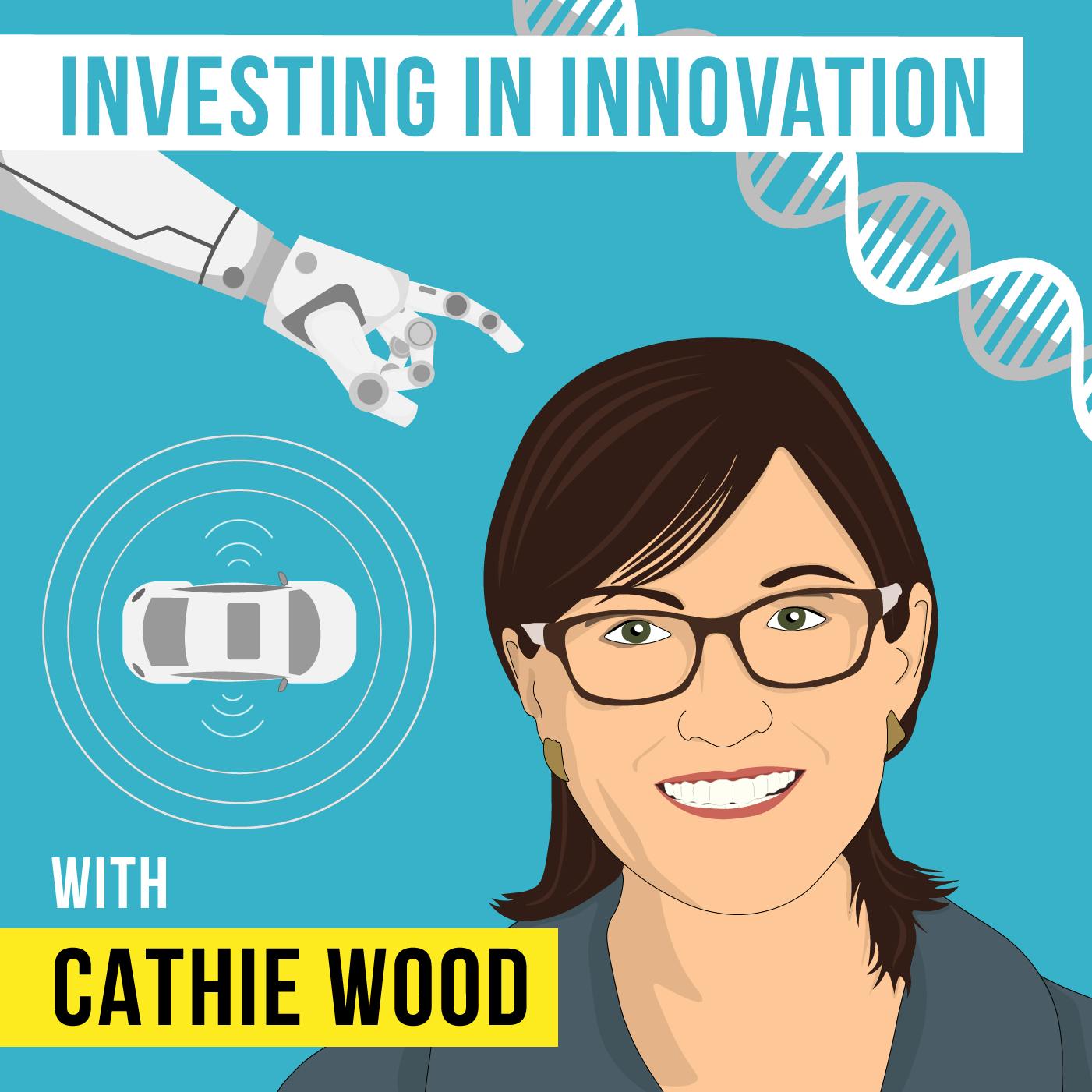 Cathie Wood – Investing in Innovation
From 🇺🇸 Invest Like the Best with Patrick O'Shaughnessy, published at 2018-07-31 09:30
My guest this week is Cathie Wood, the founder of ARK invest. Cathie and her team believe that disruptive innovation is the key to long-term growth and, therefore, alpha in the public markets. Because their style of investing is entirely contingent on what will happen and change in the future, it is about as different a style as exists from the quantitative approach to investing, which relies on what is currently knowable about stocks and businesses. The future is notoriously hard to predict, so I am always interested to hear about investing approaches which try to model or handicap the future and build portfolios against that work. In this conversation, we explore all the most interesting and exciting technology trends at play in the world today—and how those trends may play out for investors. We discuss genome sequencing, blockchain, software 2.0, mobility as a service, automation, and more. We also discuss Cathie’s take on building a bridge between the worlds of finance and Silicon Valley, and why starting with a benchmark is anathema to their process. It is hard to deny Cathie’s passion and enthusiasm, and I credit her for building a unique firm culture that emphasizes openness and collaboration. Please enjoy our conversation on investing in innovation. For more episodes go to InvestorFieldGuide.com/podcast. Sign up for the book club, where you’ll get a full investor curriculum and then 3-4 suggestions every month at InvestorFieldGuide.com/bookclub. Follow Patrick on Twitter at @patrick_oshag Show Notes 2:30 - (First Question) – Cathie’s idea of bringing open source to Wall Street 4:47 – Deep dive into the platform 6:09 – White Paper on Bitcoin – Could Bitoin serve as the role of money 7:43 – Why disruptive innovation is so inefficiently priced 10:04 – How well does the market discount cash flow of disruptive businesses 14:09 – A look at their investing strategies, starting with top-down. 16:10 – How they picked their 5 categories of technological change, starting with foundational 19:42 – Changes in energy 21:53 – Robotics 24:17 – Excitement over deep learning 28:03 – How they express their top-down ideas from the bottom up 36:06 – Mobility as a service as a key area of focus 45:25 – The power of public mistakes 46:39 – What she looks for when hiring 51:14 – her philosophy on building and maintain a portfolio 56:38 – Behind the growth of the company 1:04:01 – Most exciting area for her right now 1:07:52 – Kindest thing anyone has done for Cathie Learn More For more episodes go to InvestorFieldGuide.com/podcast. Sign up for the book club, where you’ll get a full investor curriculum and then 3-4 suggestions every month at InvestorFieldGuide.com/bookclub Follow Patrick on twitter at @patrick_oshag
-
 Bethany McLean - Business Gone Bad and the Art of Persistence
From 🇺🇸 Invest Like the Best with Patrick O'Shaughnessy, published at 2018-07-24 09:30
I’ve often heard that good investors are a bit like journalists: doggedly collecting evidence and building an understanding of how all the pieces of a company or investment fit together. My guest this week is one of my favorite writers and journalists, Bethany McLean. Across her career, Bethany has covered many of the most interesting stories in business and investing, including Enron (which became the famous book and documentary, the Smartest Guys in the Room), Valeant, Wells Fargo, SAC Capital, Fannie Mae and Freddie Mac, the great financial crisis, and most recently, fracking and the energy revolution. Given how deeply she has investigated all of these topics-- and thought about the common threads across them all--this was an amazing conversation. When talking to her, you can feel how much she cares and how diligent and fair she is when analyzing a topic. In addition to all of the great stories already listed, we discuss the art of persistence and other lessons she has learned about businesses and people gone bad. I especially loved her evolving take on housing in America. Please enjoy my conversation with Bethany McLean For more episodes go to InvestorFieldGuide.com/podcast. Sign up for the book club, where you’ll get a full investor curriculum and then 3-4 suggestions every month at InvestorFieldGuide.com/bookclub. Follow Patrick on Twitter at @patrick_oshag Links Referenced The Hunt for Steve Cohen Books Referenced Free Radicals: The Secret Anarchy of Science Saudi America: The Truth About Fracking and How It's Changing the World Twilight in the Desert: The Coming Saudi Oil Shock and the World Economy All the Devils Are Here: The Hidden History of the Financial Crisis Show Notes 2:22 - (First Question) – Differences and similarities between investors and journalists 3:19 – What has more of an impact on business practices, exposing negatives or reporting positive 4:57 – first story that got Bethany intrigued with finding bad behaviors 6:19 – The process of getting to know the people who know more than the market 7:43 – Mindsets: Optimism vs. Complacency vs. Pessimism 8:18 – First short seller that garnered her interest 8:57 – The process that led to The Smartest Guys in the Room: The Amazing Rise and Scandalous Fall of Enron 10:36 – How to ask questions 12:18 – Importance of preparation 14:20 – Difference between a visionary and a fraud 15:42 – Free Radicals: The Secret Anarchy of Science 16:23 – Any standout frauds that told a really compelling story 17:33 – Looking into Valient 19:32 –Writing about the #MeToo movement 19:34 - Disgraced ex-BofA exec raises uncomfortable questions about #MeToo 21:49 – Thoughts on the spectrum of chasing this story 23:26 – Ways journalist can fairly impact this movement 24:14 – The romance of owning a home in America and what it has meant for the market 24:34 – Shaky Ground: The Strange Saga of the U.S. Mortgage Giants 28:27 – What has changed on her thinking about housing 30:24 – What role does Fannie and Freddie have in the market today 31:13 – Her desire to look into energy 32:26 – Saudi America: The Truth About Fracking and How It's Changing the World 35:05 – What have been the changes in energy market in the US 34:40 – Twilight in the Desert: The Coming Saudi Oil Shock and the World Economy 37:01 – Where are we in the life cycle of energy production 38:29 – Technologies that shaped industrial revolution in America 41:10 – Why is Peter Elkin the best investigative journalist 42:24 – Most relentless she has ever been 43:58 – Who is doing it right 44:38 – All the Devils Are Here: The Hidden History of the Financial Crisis 45:36 – Her take on reporting the The Hunt for Steve Cohen story 49:01 – How her views have evolved over her career and lessons learned 50:40 – Are there ways to prevent success from leading people down a bad path 53:48 – The role of empathy in her career 55:13 – Kindest thing anyone has done for Bethany’s career
-
 Modest Proposal – Value is Dead, Long Live Value
From 🇺🇸 Invest Like the Best with Patrick O'Shaughnessy, published at 2018-07-17 09:30
A very short introduction today because my guest is anonymous. Suffice it to say he manages a large pool of private capital. He goes by the pseudonym “modest proposal” and his twitter presence is one of the reasons I first got on and now stay on the platform. He is level headed, smart, and skeptical by nature, all of which made for a great conversation. We discuss how difficult the market has become for active investors, thematic investment opportunities, and the potential sources of market mispricings. Please enjoy our conversation, and let me know which other anonymous accounts you’d like to hear from. For more episodes go to InvestorFieldGuide.com/podcast. Sign up for the book club, where you’ll get a full investor curriculum and then 3-4 suggestions every month at InvestorFieldGuide.com/bookclub. Follow Patrick on Twitter at @patrick_oshag Links Referenced Factors from Scratch: A look back, and forward, at how, when, and why factors work Josh Wolf Podcast Episode Mike Zapata Podcast Episode Michael Mauboussin Podcast Episode Show Notes 1:55 - (First Question) - How value investing has changed 5:45 – How does he apply the lens of market over-reaction to the current market today 5:47 – Factors from Scratch: A look back, and forward, at how, when, and why factors work 7:06 – Josh Wolf Podcast Episode 8:35 – Areas where he prepares most 8:36 – Mike Zapata Podcast Episode 12:18 – Where markets may be over reacting in media 20:10 – How does he invest on this thinking 20:44 – Michael Mauboussin Podcast Episode 22:35 – Other parts of media that he finds interesting 27:35 – Aggregation theory and how it plays into his investment philosophy 31:06 – Structuring a long-short portfolio in today’s media market 35:59 – Customer acquisition costs and how it’s impacting retailers 40:51 – The role of physical locations in a world that was upended by virtual retailers 49:41 – Consumer Internet Story thesis and what he’s seen during his career 58:11 – Why the FANG stocks can’t win in the niches 1:02:25 – The distrusted 50 1:05:00 – How he thinks about Capital Allocation and buybacks 1:11:08 – His view on international equity markets 1:13:58 – His take on the asset management business 1:19:38 – Allocation of a portfolio in between periods of conviction 1:21:08 – People that he has learned the most from 1:23:54 – How do you identify people who are capable of evolving after a rough spot 1:26:53 - How does he force himself to adapt to new conditions and evolve 1:30:31 - Thoughts in investing in cannabis industry 1:32:31 – Conditions where he would get interested in crypto currency 1:36:20 – Kindest thing anyone has done for him Learn More For more episodes go to InvestorFieldGuide.com/podcast. Sign up for the book club, where you’ll get a full investor curriculum and then 3-4 suggestions every month at InvestorFieldGuide.com/bookclub Follow Patrick on twitter at @patrick_oshag
-
 [REPLAY] Eric Maddox – The Ace of Spades
From 🇺🇸 Invest Like the Best with Patrick O'Shaughnessy, published at 2018-07-10 09:30
With Patrick out of the country this week, we thought we'd play an old favorite that many of you have not heard. Please Enjoy! This week we explore a rare and underappreciated skill through the lens of an incredible story. My guest is Eric Maddox, whose name you probably don’t know but won’t soon forget. Just trust me that you need to listen to this entire episode, and listen carefully—because that is what the episode is ultimately all about: how to listen to others, with care and empathy, in the age of distraction. Sometimes it’s fun not to know what’s coming and be surprised, so I won’t say anymore. After the episode, you can learn more about Eric at Ericmaddox.com. On his wall, Eric has a framed Cuban cigar, he starts his story by explaining the significance of that cigar. Enjoy this episode, and try Eric’s method. It has worked wonders for me. Please enjoy! For comprehensive show notes on this episode go to investorfieldguide.com/maddox/ For more episodes go to InvestorFieldGuide.com/podcast. Sign up for the book club, where you’ll get a full investor curriculum and then 3-4 suggestions every month at InvestorFieldGuide.com/bookclub Follow Patrick on twitter at @patrick_oshag
-
 Niel Robertson – The Future of Media
From 🇺🇸 Invest Like the Best with Patrick O'Shaughnessy, published at 2018-07-03 09:30
This week’s episode covers a new set of topics. The conversation, with Niel Robertson, covers media, e-sports, content distribution, marketing, and a lot more. Niel started a software company out of his bedroom when he was 14, and sold his first company in 1999 for $280 million, when he was 24 years old. He has started and sold other companies to Twitter and Cisco. He started another large business that ultimately failed. He’s been an investor, venture partner, and serial entrepreneur. You can find more in the shownotes. As I often do, I cut the long background section from the interview so we can get right to the meat of things, but Niel concluded that section saying: “I think that could be all summed up by I just liked building things and I can't stop doing it.” In addition to the overall media landscape, we discuss the role that the biggest media platforms will play, and where other opportunities may exist. We cover digital collectibles stored on blockchain, and what type of digital assets may be leased to others. We close with a discussion of leadership, company structure, content creation, and something you should do each year. Please enjoy this unique conversation with Niel Robertson. For more episodes go to InvestorFieldGuide.com/podcast. Sign up for the book club, where you’ll get a full investor curriculum and then 3-4 suggestions every month at InvestorFieldGuide.com/bookclub. Follow Patrick on Twitter at @patrick_oshag Books Referenced The Start-up of You: Adapt to the Future, Invest in Yourself, and Transform Your Career Show Notes 2:30 - (First Question) – Overview of the media landscape as it relates to influencer marketing 6:42 – How does he think about this space as an investor 12:21 – What is the future of distribution of products 17:01 - An overview of the e-sports ecosystem 18:20 – The shift of people watching others play video games 20:06 – Will we see power shift from the platform to the influencer 27:03 – Why Amazon is the sleeper in this game 29:38 – Reviewing some of the other platforms, starting with Snapchat 30:54 – Twitter 32:06 – Other platforms that should be focused on…Pinterest 33:38 – His interest in blockchain and digital collectibles 36:34 – Who will be disrupted by digital collectibles 37:55 – Why does the decentralization of these assets matter 39:49 – The tokenization of assets 42:11 – What companies have the largest hurdles to innovate in these spaces 44:57 – His thoughts on leadership 46:44 – The Start-up of You: Adapt to the Future, Invest in Yourself, and Transform Your Career 47:52 – Advice for content creators and content aggregators 50:10 – His thoughts on companies that aggregate top content creators 53:17 – His experience owning restaurants 55:46 – His experience in motocross 57:31 – Kindest thing anyone has done for Neil Learn More For more episodes go to InvestorFieldGuide.com/podcast. Sign up for the book club, where you’ll get a full investor curriculum and then 3-4 suggestions every month at InvestorFieldGuide.com/bookclub Follow Patrick on twitter at @patrick_oshag
-
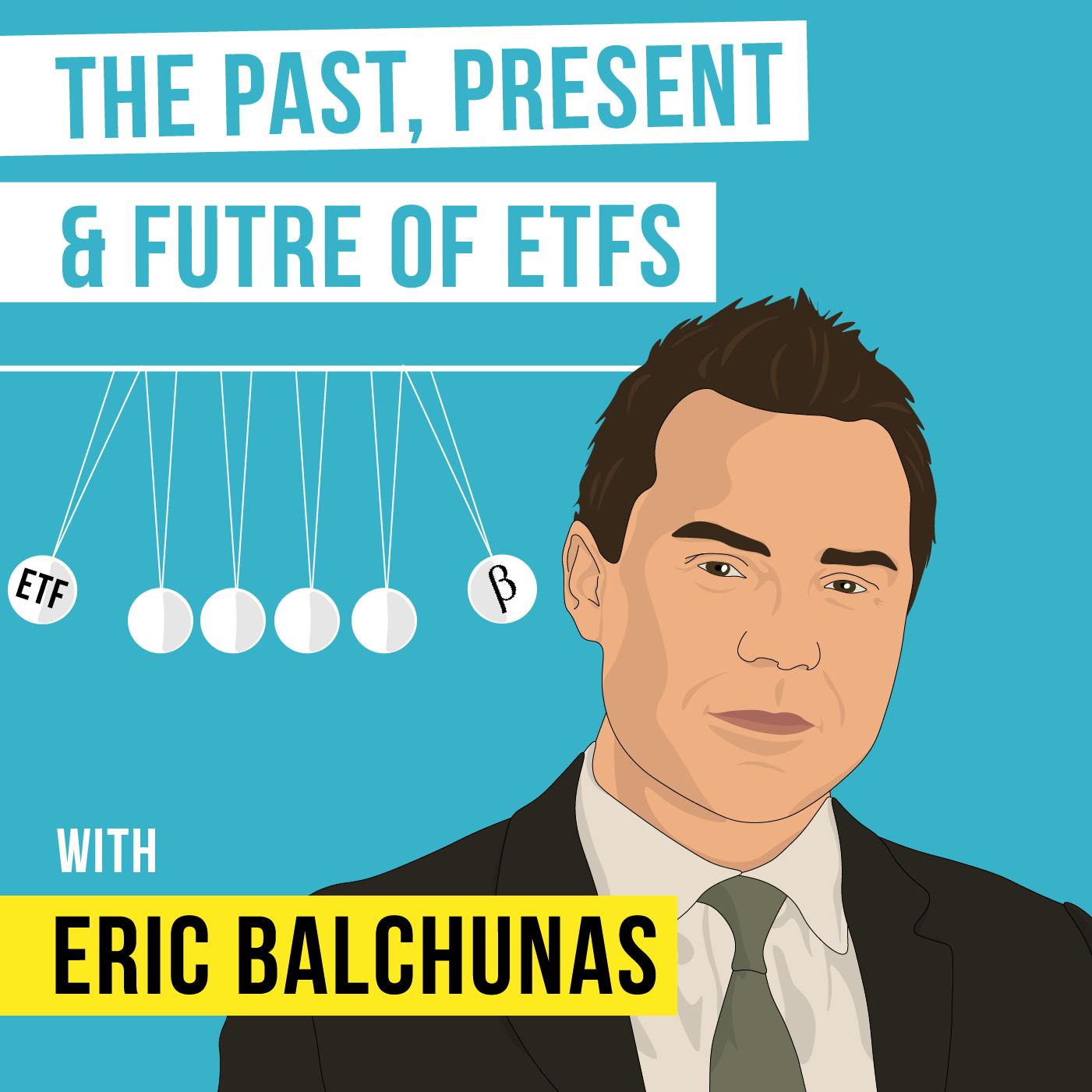 Eric Balchunas – The Past, Present & Future of ETFs
From 🇺🇸 Invest Like the Best with Patrick O'Shaughnessy, published at 2018-06-26 09:30
My guest this week is Eric Balchunas, the senior ETF analyst for Bloomberg and the author of the Institutional ETF toolbox. This episode is intended for those in the asset or wealth management industry who have considered using ETFs in their portfolios, or for the individual investor who likes to stay up to date on trends in the market for asset management products. We cover all aspects of ETFs in some detail, and luckily in ways that have little overlap with a few other recent ETF-centric episodes on two of my favorite podcasts: the Meb Faber Show and Capital Allocators with Ted Seides with Matt Hougan and Tom Lydon respectively. We open with Eric’s favorite ETF tickers, discuss the pros and cons of ETFs versus other investment vehicles, and explore the largest areas of opportunities for new ETFs coming to market in the years to come. ETFs have become the vehicle of choice for many investors, so it was about time we covered them in depth in this forum. As you’ll hear, Eric is the right person to teach the world about ETFs, thanks to deep domain knowledge and unflagging enthusiasm. Please enjoy my conversation with Eric Balchunas on the past, present, and future of ETFs. For more episodes go to InvestorFieldGuide.com/podcast. Sign up for the book club, where you’ll get a full investor curriculum and then 3-4 suggestions every month at InvestorFieldGuide.com/bookclub. Follow Patrick on Twitter at @patrick_oshag Books Referenced Quantitative Momentum: A Practitioner's Guide to Building a Momentum-Based Stock Selection System Links Referenced Chart – There Are Now More Indexes Than Stocks Show Notes 2:32 - (First Question) – Eric’s favorite ETF tickers 4:07 – How Eric got started into his career and how it led him into the ETF world 8:04 – An overview of the ETF landscape 10:10 – Active managed ETFs 12:17 – Chart – There Are Now More Indexes Than Stocks 13:32 – Key variables he thinks about when assessing a new ETF 15:18 – Evaluating shiny object ETFs 17:30 – The appeal of ETFs 20:18 – Future regulatory concern of the tax treatments of ETFs 22:10 – The liquidity advantage of ETFs and why that can actually be bad for investors 24:19 – What would Eric do to build the perfect ETF 26:03 – What are the future trends for new ETF’s launched 29:40 – Categories that work well in the ALT world of ETFs 31:32 – Most effective marketing strategy for ETFs 35:50 – Quantitative Momentum: A Practitioner's Guide to Building a Momentum-Based Stock Selection System 36:28 – How will the winning asset managers have done differently in this space 41:56 – How the next downturn could impact ETFs 46:17 – Do ETF’s create pricing distortions 50:33 – What trend is Eric most interested in right now 53:21 – Alpha through Beta 55:51 – Kindest thing anyone has done for Eric Learn More For more episodes go to InvestorFieldGuide.com/podcast. Sign up for the book club, where you’ll get a full investor curriculum and then 3-4 suggestions every month at InvestorFieldGuide.com/bookclub Follow Patrick on twitter at @patrick_oshag
-
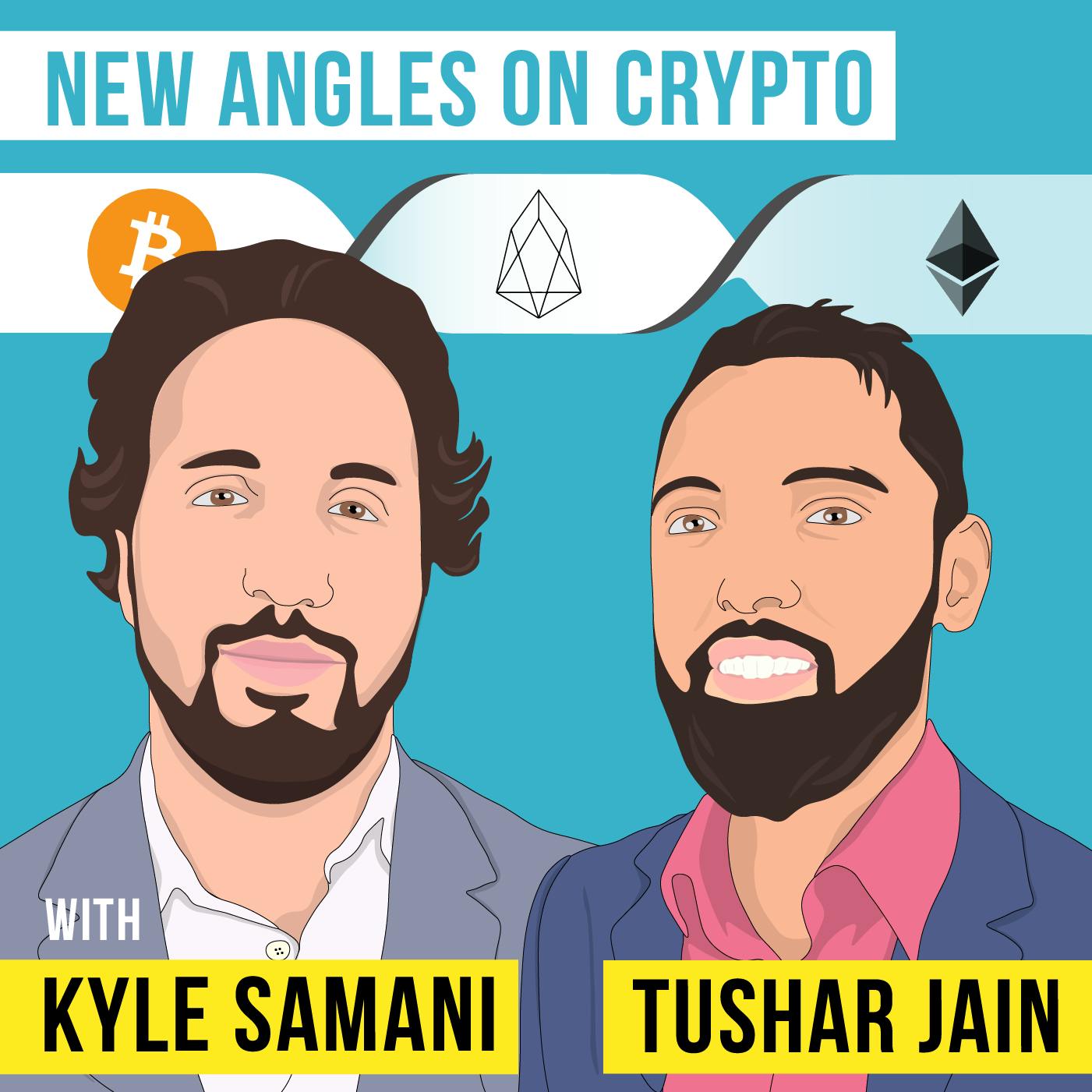 New Angles on Crypto - Kyle Samani and Tushar Jain
From 🇺🇸 Invest Like the Best with Patrick O'Shaughnessy, published at 2018-06-19 09:30
My guests this week are Kyle Samani and Tushar Jain, both managing partners at Multicoin Capital. I’ve taken a bit of a break from crypto because I hadn’t sensed many new angles to explore in this forum, from an investor’s point of view. I felt that while things keep evolving, the major investment theses have been established and explored. Kyle and Tushar are interesting because of their often divergent views. For example, Kyle has been an outspoken supporter of Ethereum relative to bitcoin. This conversation, which is meant for those still curious about crypto, offers lots of new food for thought. We discuss smart contract platforms, network effects, the coming platform wars, and why blockchains may not matter in ten years. Please enjoy my conversation with the partners of Multicoin Capital. Hash Power is presented by Fidelity Investments For more episodes go to InvestorFieldGuide.com/podcast. Sign up for the book club, where you’ll get a full investor curriculum and then 3-4 suggestions every month at InvestorFieldGuide.com/bookclub. Follow Patrick on Twitter at @patrick_oshag Links Referenced Paths to Tens of Trillions An (Institutional) Investor’s Take on Cryptoassets On the Network Effects of Store Value If SaaS Products Sell Themselves, Why Do We Need Sales? Money, blockchains, and social scalability Nakamoto Institute Token Economy Multicoin.capital Crypto Cannon Show Notes 2:11 - (First Question) – What would get the entire cryptocurrencies ecosphere to 5-10 trillion dollars 2:53 – Paths to Tens of Trillions 4:37 – What will be the effective uses for crypto currencies, store value vs utility value 4:38 – An (Institutional) Investor’s Take on Cryptoassets 8:48 – Why they are negative on bitcoin and more positive on Ethereum 10:07 – Where will start to see widespread adaption of the utility value of cryptocurrencies 14:44 – What is the major breakthrough that cryptocurrencies create 21:21 – How do we gain confidence that a utility token will become a sound investment 25:16 – The different type of network effects 25:47 – On the Network Effects of Store Value 31:18 – How do you convince institutional investors to consider the crypto space 34:21 – Factors that they care about when first evaluating a crypto currency 39:21 – How does technological development and marketing factor into their decision when picking a crypto currency 40:31 – If SaaS Products Sell Themselves, Why Do We Need Sales? 41:42 – Where these two men disagree the most right now 44:07 – Why there’s a chance blockchain technology as we know it today could be irrelevant 44:25 – Money, blockchains, and social scalability 47:56 – Most compelling trends in this world today 51:51 – A favorite resource or person people can look into if they want to learn more 52:22 – Nakamoto Institute 52:57 – Token Economy 53:24 – Multicoin.capital 53:30 – Crypto Cannon 54:14 – Kindest thing anyone has done for them Learn More For more episodes go to InvestorFieldGuide.com/podcast. Sign up for the book club, where you’ll get a full investor curriculum and then 3-4 suggestions every month at InvestorFieldGuide.com/bookclub Follow Patrick on twitter at @patrick_oshag
-
 Michael Recce – Tim Cook’s Dashboard
From 🇺🇸 Invest Like the Best with Patrick O'Shaughnessy, published at 2018-06-12 09:30
My guest this week is Michael Recce, the chief data scientist for Neuberger Berman. The topic of our conversation is the use of data in the investment process, to help cultivate what is commonly referred to as an information edge. I call the episode “Tim Cook’s Dashboard” because of an interesting question that Michael poses: if you armed the best apple analyst in the world with Tim Cook’s private business dashboard, what might that be worth? Effectively Michael’s goal is to recreate the equivalent of a company dashboard for many businesses, helping analysts understand the fundamental health and direction of companies a bit better than the market does, and in so doing create an actionable edge. This is a daunting task, and you will hear why. It requires both a fundamental understanding of business and of data, statistics, and methods like machine learning. In our own work, we’ve found machine learning to be useless for predicting future stock prices, but extremely useful for other things, like extracting and classifying data. This conversation can get wonky at times, but as listeners know that is the best kind of conversation, even if it requires a second, slower listen. I hope you enjoy this talk with Michael Reece. Afterwards, I highly recommend you invest the time to read a series of posts called Machine Learning for Humans, which I will link to in the show notes. It helps demystify the buzz words and explain how these new technologies are being used. For more episodes go to InvestorFieldGuide.com/podcast. Sign up for the book club, where you’ll get a full investor curriculum and then 3-4 suggestions every month at InvestorFieldGuide.com/bookclub. Follow Patrick on Twitter at @patrick_oshag Books Referenced Crossing the Chasm One Two Three Infinity Links Referenced Sam Hinkie Podcast Episode Show Notes 2:44 - (First Question) – Changes in data science through the lens of Michael’s career 5:17 – The basic overview of using data and machine learning to create an edge 6:58 – How the state of business is more than just a single data point 7:53 – How you know when you’ve pulled a real signal from the noise of data 10:49 – The advantages that data provides 13:01 – Is there still an edge in decaying data 15:34 – Building data that would predict stock prices 19:43 – Prospectors vs miners in data mining 22:18 – Knowing when your prospectors are on to truth 27:09 – Understanding machine learning 30:10 – Defining partition 32:17 – Applying the parameters of selection process to stocks 36:05 – What’s the first step people could take to use data and machine learning to improve their investment process 38:54 – Building a sustainable advantage within data science 41:35 – Predicting the uncapped positive vs what’s seemingly easier, eliminating the negative 43:58 – How do we know to stop using a signal 46:22 – The importance of asking the right question 47:09 – Categories of objective functions that are interesting to measure data against 47:42- Crossing the Chasm 48:37 – Most exciting things he’s found with data 51:17 – What investors, individual or firms, has impressed him most with their use of data 52:17 – Will everyone eventually shift to being data informed or data driven 55:33 – Wall Street’s use of data vs other industries 55:36 – Sam Hinkie Podcast Episode 57:48 – Why everyone should know how to code 58:52 – Kindest thing anyone has done for Michael 59:22 – One Two Three Infinity Learn More For more episodes go to InvestorFieldGuide.com/podcast. Sign up for the book club, where you’ll get a full investor curriculum and then 3-4 suggestions every month at InvestorFieldGuide.com/bookclub Follow Patrick on twitter at @patrick_oshag
-
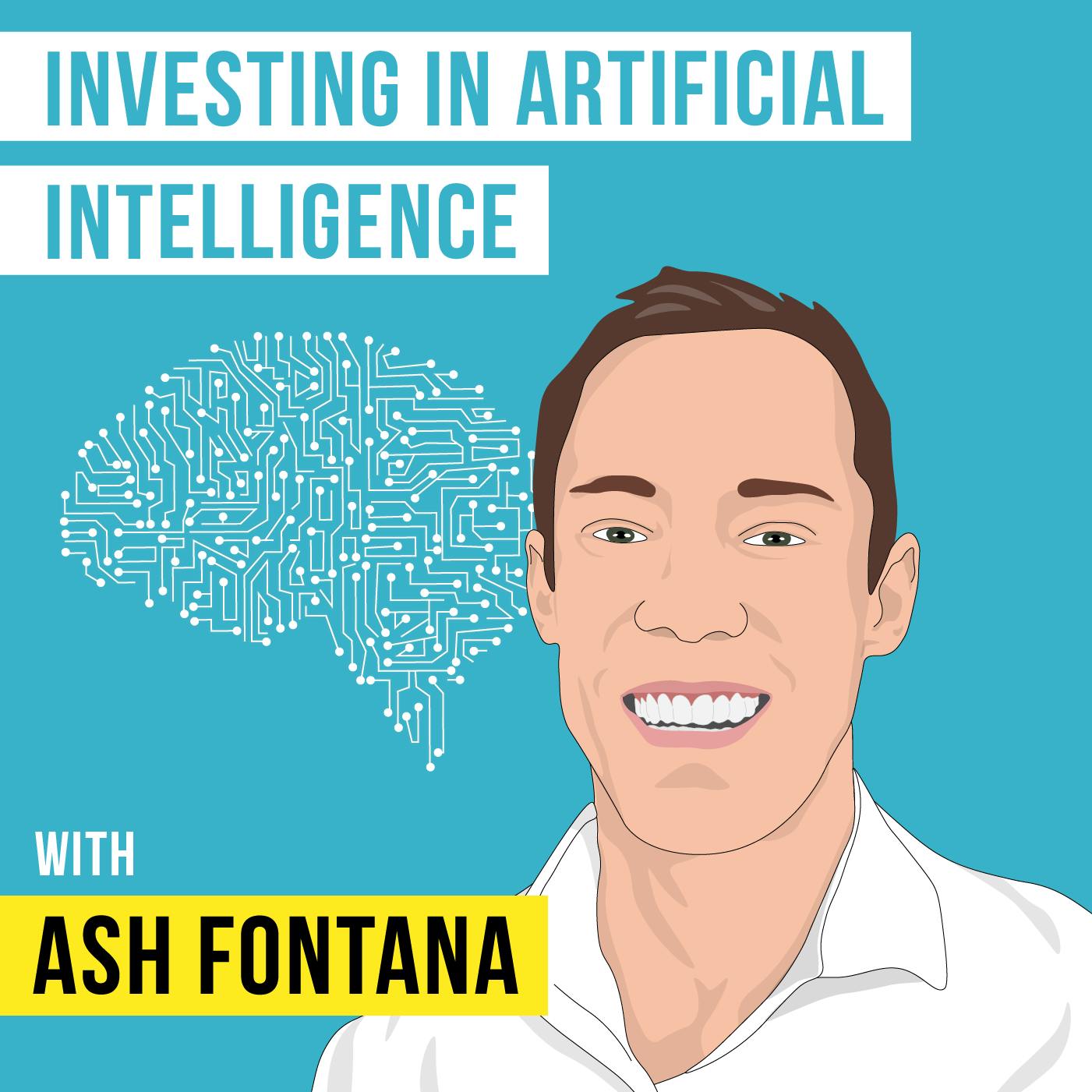 Ash Fontana – Investing in Artificial Intelligence
From 🇺🇸 Invest Like the Best with Patrick O'Shaughnessy, published at 2018-06-05 09:30
My guest this week is Ash Fontana, a managing partner at venture capital firm Zetta, who invests in companies which build software that uses artificial intelligence methods like machine learning to predict and prescribe outcomes. Ash’s combined experience as a founder, entrepreneur, and investor give him the perfect background to discuss with us one of the hottest topics in business and investing. This conversation is useful for anyone trying to evolve their own way of dealing with data. Of particular interest are the ways that Ash and his team evaluate data sets and how they think about competitive advantage in this new world—where he advocates a new term to replace the concept of moat: loops. If we can use data to do things better than humans, or if we can supercharge our intuitions with predictive models, we can harness the power of this new technology. What Ash has taught me is that data itself is dumb. But great data sets can represent the fuel for incredible companies. Let’s dive into how that may be. Please enjoy this conversation on how AI is changing business, and how we might profit from that change. For more episodes go to InvestorFieldGuide.com/podcast. Sign up for the book club, where you’ll get a full investor curriculum and then 3-4 suggestions every month at InvestorFieldGuide.com/bookclub. Follow Patrick on Twitter at @patrick_oshag Books Referenced The Most Important Thing: Uncommon Sense for The Thoughtful Investor Links Referenced Jerry Neumann Podcast Episode Ali Hamed Podcast Episode Show Notes 2:25 - (First Question) – A look at their very specific investment strategy 3:35 – Future of competitive advantage in the SaaS industry 6:45 – How startups and new companies can compete against software giants that are pretty well entrenched in the market 8:38 – How do copies with narrow focuses attract VC money which is looking for massive returns 12:28 – The stages in which AI will be enabled 15:55 – Framework of an AI company 18:49 – Importance of the feedback in the AI company framework 20:56 – Examples of AI companies 23:50 – Why companies that are AI from the start will have a significant advantage in the space 26:21 – How do companies change their thinking about compiling useful data 32:18 – Regulation of AI 35:03 – Preventing other companies from leap frogging you in the AI space 37:57 – Some of his favorite AI companies 40:43 – How much has he seen in the finance world 41:07 – Jerry Neumann Podcast Episode 43:10 – Why the focus on B2B AI companies 45:34 – Major components of the enterprise stack that he focuses on for AI 49:30 – What impact will all of this AI have the daily lives of people 51:38 – Biggest problems that he is excited to see AI tacklet 53:04 – How do you value the intangible asset of an AI model 57:13 – How Ash thinks about getting other investors into firms they seeded 1::00:27 – Other investors that Ash really respects 1:01:15 – The Most Important Thing: Uncommon Sense for The Thoughtful Investor 1:03:29 – Ali Hamed Podcast Episode 1:04:04 – Where would Ash invest outside of AI 1:07:11 – More about his family nut business 1:11:18 – Favorite macadamia nut story 1:12:05 – Kindest thing anyone has done for Ash Learn More For more episodes go to InvestorFieldGuide.com/podcast. Sign up for the book club, where you’ll get a full investor curriculum and then 3-4 suggestions every month at InvestorFieldGuide.com/bookclub Follow Patrick on twitter at @patrick_oshag
-
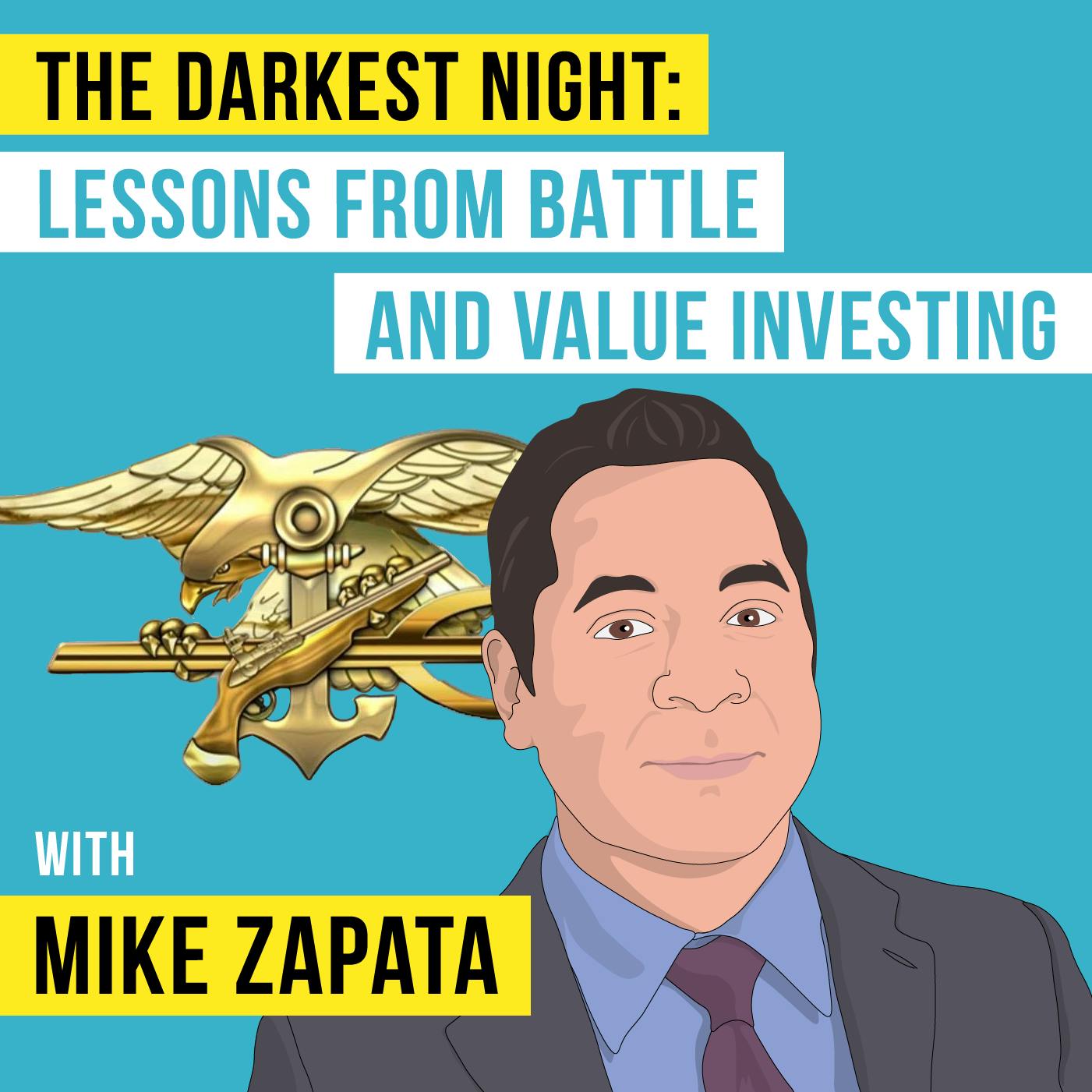 Mike Zapata – The Darkest Night: Lessons from Battle and Value Investing
From 🇺🇸 Invest Like the Best with Patrick O'Shaughnessy, published at 2018-05-29 09:30
My guest this week is remarkable. He now applies his talents on Wall Street, searching for smaller cap companies trading at huge discounts in an effort to compound wealth for his investors. He is classically trained, having earned his graduate degree from Colombia, a school known for producing value investors. But his method also reflects what he learned across more than a decade of active duty in the U.S. military. Mike Zapata served us all as a Navy SEAL in the aftermath of 9/11 and ultimately as a member of the SEAL’s “Development Group,” commonly known as SEAL team 6. I think everyone listening strives for excellence in what they do. This week we get to hear from someone who has pursued excellence on our behalf. I’ll let him explain the meaning of his firm’s name, Sententia, but for now suffice to say we are lucky to have quiet professionals like Mike. If you are interested in supporting the families of soldiers who fought with Mike and lost their lives, I encourage you to check out the Tip of the Spear foundation and make a donation along with me, small or large. Please enjoy my conversation with Mike Zapata. For more episodes go to InvestorFieldGuide.com/podcast. Sign up for the book club, where you’ll get a full investor curriculum and then 3-4 suggestions every month at InvestorFieldGuide.com/bookclub. Follow Patrick on Twitter at @patrick_oshag Books Referenced The Intelligent Investor: The Definitive Book on Value Investing. A Book of Practical Counsel Fearless: The Undaunted Courage and Ultimate Sacrifice of Navy SEAL Team SIX Operator Adam Brown Boyd: The Fighter Pilot Who Changed the Art of War Show Notes 2:23 2:23 – (First Question) – A quick overview of Mike’s career leading up to his time at Columbia 3:43 – What led him down the path of value investing at Columbia 3:51 – The Intelligent Investor: The Definitive Book on Value Investing. A Book of Practical Counsel 5:57 – The focus and goal of the firm 7:12 – Where the name of the firm, Sententia comes from 8:04 – His experience in the Basic Underwater Demolition/SEAL (BUD/S) program and lessons learned from it 13:14 – How much grit is innate vs can be learned 14:59 – What the actual job was in BUD/S 17:33 – Difference between the broader SEAL community and being part of the more exclusive development group 19:03 – The team dynamic within the SEALS 20:26 – Fearless: The Undaunted Courage and Ultimate Sacrifice of Navy SEAL Team SIX Operator Adam Brown 21:18 – The sacrifice that SEALs make with the story of Adam Brown as an example 24:35 – Waiting for darkness before deployment 27:23 – How do you know when to violate your best practices for a risk 29:26 – A look at three pictures in his office and why they are meaningful 31:36 – Lessons that would be useful to other people 33:10 – Boyd: The Fighter Pilot Who Changed the Art of War 33:17 – How is Mike’s skillset applied to the investing world 39:24 – Factors that would be seen as good alignment in businesses 40:18 – How the view the profiles of other investors in these small businesses 41:46 – Examples of “smoke and fire”, markers of an attractive investment 43:42 – Other investors that he has learned the most from and what those lessons were 44:54 – Importance of balance sheets in value investing 47:33 – Is value investment oversaturated 50:28 – Market blind spots that are attractive to Mike 52:03 – What point in Mike’s career has he felt the most alive 53:14 – Any other lessons Mike would want to share 55:12 – Kindest thing anyone has done for Mike Learn More For more episodes go to InvestorFieldGuide.com/podcast. Sign up for the book club, where you’ll get a full investor curriculum and then 3-4 suggestions every month at InvestorFieldGuide.com/bookclub Follow Patrick on twitter at @patrick_oshag
-
 Sam Hinkie – Data, Decisions, and Basketball
From 🇺🇸 Invest Like the Best with Patrick O'Shaughnessy, published at 2018-05-22 09:30
I came across this week’s guest thanks to the overlap of three passions of mine: data informed investing, value creation, and basketball. Sam Hinkie worked for more than a decade in the NBA with the Houston Rockets, and then most recently as the President and GM of the Philadelphia 76ers. He helped launch basketball's analytics movement when he joined the Houston Rockets in 2005, and is known for unique trade structuring and a keen focus on acquiring undervalued players. Today, he is also an investor and advisor to a limited number of young companies in which he feels his experience can improve outcomes. Please enjoy this unique episode with Sam Hinkie. Show Notes 3:24 – (First Question) Advantages of having a long view and how to structurally harness one 6:08 – Using technology to foster an innovative culture 6:18– Empire of the Summer Moon: Quanah Parker and the Rise and Fall of the Comanches, the Most Powerful Indian Tribe in American History 10:16 – Favorite example of applied innovation from Sam’s career 11:34 - Most fun aspect of doing data analytics early on the Houston Rockets 13:38 - Is there anything more important than courage in asymmetric outcomes 14:29 – How does Sam know when to let the art of decision making finish where the data started 16:29 - Pros and cons of a contrarian mindset 17:26 – Where he wanted to apply his knowledge in sports when first getting out of school and how his thinking is best applied in the current sports landscape 21:39 – How does he think about trying to find the equivalent of mispriced assets in the NBA 23:12 – Where tradition can be an impediment to innovation 25:07 – What did the team and workflow of the team look like in the front office 27:03 - The measure of truth in a sports complex 29:10 – What were the early factors coming out of the data that helped to shape NBA teams 30:42 – Best tactics for hiring 33:59 – Process of recruiting spectacular people 35:39 – Thoughts on fostering a good marriage 37:57 – Picking your kids traits in your spouse 38:02 – Selfish Reasons to Have More Kids: Why Being a Great Parent is Less Work and More Fun Than You Think 40:45 – What kind of markers does he look for when evaluating long term investment ideas 42:44 – His interest in machine learning 45:55 – What’s more exciting, the actual advances in machine learning or the applications that can be imagined as a result 47:15– International Justice Mission 48:11 – How he got started teaching negotiations and some of the points he makes in that class 49:16 – Effective techniques for negotiating 50:03 – Is negotiating contentious, do you need empathy 50:41 – A Rorschach test of Sam based on his reading of Lessons of History (book) 53:01 – Biggest risk Sam took in his career 54:37 – Biggest risks Sam took while with the 76ers 58:09 – Do people undervalue asymmetric outcomes in the NBA 1:00:11 – The players Sam has enjoyed watching over the years 1:02:45 – Why Robert Caro is a favorite author of his 1:04:30 – Kindest thing anyone has done for Sam
-
 Tren Griffin – Pulling the Thread
From 🇺🇸 Invest Like the Best with Patrick O'Shaughnessy, published at 2018-05-15 09:30
My guest this week is a bundle of curiosity, and that is one of the nicest things I could say about someone. For several years, Tren Griffin has been writing a weekly blog post that highlights things he has learned from various investors, businesspeople, musicians, comedians, and more. Lately, he has also been tackling individual businesses, and broad topics like scaling, competitive forces, and product market fit. Tren’s full time job is serving as a director at Microsoft. He’s also worked with or for several well know businesspeople and investors like Craig McCaw, and written several books including one on lessons for entrepreneurs, one on Charlie Munger, and another on negotiation. We discuss value creation vs. value capture, alpha in investing, sales, hip hop, and why he’d teach high school students about convexity through a drunk driving analogy. I could have talked to Tren for much longer than I did, but sadly, we both had flights to catch. If you take anything away from this, I hope its just how much fun it is to just be curious about business, and how you can learn a tremendous amount if you just keep reading about the things that interest you and talking to others. Please enjoy my conversation with Tren Griffin. For more episodes go to InvestorFieldGuide.com/podcast. Sign up for the book club, where you’ll get a full investor curriculum and then 3-4 suggestions every month at InvestorFieldGuide.com/bookclub. Follow Patrick on Twitter at @patrick_oshag Show Notes 2:26 – (First question) – key levers of the universal business model 4:26 – How do you know when you’ve achieved real value creation 6:24 – Importance of value capture and how they enhance value creation 6:31 – Zero to One: Notes on Startups, or How to Build the Future 9:08 – Price power 10:28 – Are discussions of moats more useful to businesses than to investors 13:12 - What Tren learned during his early years working with Craig McCaw 16:28 – The Outsiders: Eight Unconventional CEOs and Their Radically Rational Blueprint for Success 16:36 – The skill of capital allocation 18:37 – How would Buffett and Munger bet on tech if they were starting out today and their philosophy of betting against change 21:57 – How Tren became so fascinated with Charlie and what he’s learned from him 22:32 – The Alchemy of Finance 23:17 – Damn Right: Behind the Scenes with Berkshire Hathaway Billionaire Charlie Munger 23:19 – Poor Charlie's Almanack: The Wit and Wisdom of Charles T. Munger 25:21 – Most memorable moment or lesson from Charlie 19:20 – How he thinks about factor investing 31:25 – What are the scalability features that make a business attractive 31:28 – A Dozen Attributes of a Scalable Business 35:37 – Exploring some of the other important levers of businesses, such as subscriptions, customer acquisition cost, and more. 36:20 – Getting to Yes: Negotiating Agreement Without Giving In 37:11 – Wholesale transfer pricing 39:18 – Pros and cons of subscription business models 43:14 – Magic of getting products distributed 44:58 – Best sale Tren’s ever made 46:46 – Most important lesson for young people 50:16 – Tren’s interest in hip-hop and how it helps him reach more people 53:49 – A look at some interesting quotes from Jim Barksdale 58:22 – Learning by doing 1:00:48 – Seeing like a State: How Certain Schemes to Improve the Human Condition Have Failed 1:01:06 – Period of his career that he felt most alive 1:03:03 – Advice for young people thinking about business and entrepreneurship 1:04:56 – Why are so few people passionate about what they do for a living 1:10:44 – Kindest thing anyone has done for Tren Learn More For more episodes go to InvestorFieldGuide.com/podcast. Sign up for the book club, where you’ll get a full investor curriculum and then 3-4 suggestions every month at InvestorFieldGuide.com/bookclub Follow Patrick on twitter at @patrick_oshag
-
 Jason Karp – Opportunities in Public and Private Markets
From 🇺🇸 Invest Like the Best with Patrick O'Shaughnessy, published at 2018-05-08 09:30
I believe that any investment strategy that will deliver strong returns in the future must evolve. Any strategy should rest on rock solid foundational principles, which change rarely if ever—things like price discipline, or business growth. But the features of the strategy must keep getting better, because the marketplace is incredibly competitive. That evolution is the topic of today’s conversation with Jason Karp. Jason is the founder and CIO of Tourbillon Capital Partners, a multi-billion dollar asset manager based in New York City. We cover a ton of interesting ground. We start with what has happened in public and private markets, discussing the role of quants, passive indexes, and value vs. deep value investing. We compare the relative merits of investing in private equities, and where and how opportunities arise. We then focus in on two interesting private investing trends: the health and wellness sector and the cannabis industry. First, we discuss Hu kitchen and Hu Products, the food business that Jason started with his family several years ago in response to personal health challenges. Second, we discuss his evolved views on Cannabis as an investment space and why it may also represent a massive growth opportunity. You all know I value transparency, so it is important to note that since I recorded the conversation, my family became an investor in Hu Products. It has been a fascinating means to learn about the food, health, and wellness industry which has grown rapidly in recent years. We were customers of Hu in New York City long before I even knew Jason, which made that part of the conversation especially interesting for me. This episode re-enforced my believe in pushing one’s investing strategy to adapt to change market conditions and competitive pressures. If we have any hope of beating Vanguard, we can’t ever rest on our laurels. This was an especially eclectic and fun conversation, I hope you enjoy my chat with Jason Karp. For more episodes go to InvestorFieldGuide.com/podcast. Sign up for the book club, where you’ll get a full investor curriculum and then 3-4 suggestions every month at InvestorFieldGuide.com/bookclub. Follow Patrick on Twitter at @patrick_oshag Show Notes 3:06 – (First question) – Jason’s view on private markets vs public markets and how his view has evolved 6:02 – Phase of the private markets where companies can achieve huge size and scale without going public 10:31 – Framework of Jason’s value-based investing strategy 13:47 – Reverse discounted cash flow 16:27 – Are there areas of the market that are easier to predict using Jason’s models 20:29 – Tech dominance the longer they are around 21:01 – Jerry Neumann Podcast Episode 22:08 – How markets have changed over Jason’s career 25:58 – Types of edge that you can have in the market 30:00 – Broad examples of sectors that are high-quality, but momentum is hurting them 31:32 – Backstory of Hu Kitchen 38:33 – Investment research into health and wellness 42:56 – State of acquisitions, particularly in consumer product goods 47:13 – Jason’s research into Cannabis 50:43 – The misperceptions of Cannabis 56:30 – Why cannabis is a more important sector to consider than crypto 57:51 – What are the most important levers to growing a business 1:02:24 – Biggest lessons learned in hiring good people 1:06:10 – Investing lessons 1:09:27 – Kindest thing anyone has done for Jason Learn More For more episodes go to InvestorFieldGuide.com/podcast. Sign up for the book club, where you’ll get a full investor curriculum and then 3-4 suggestions every month at InvestorFieldGuide.com/bookclub Follow Patrick on twitter at @patrick_oshag
-
 Chris Douvos – A Value Investor Lost in the Valley
From 🇺🇸 Invest Like the Best with Patrick O'Shaughnessy, published at 2018-05-01 09:30
My guest this week is Chris Douvos, a managing partner at Venture Investment Associates, which allocates 1.6B in behalf of investors. Chris is the first professional allocator I’ve spoken with who focuses specifically on venture capital funds, so I had a ton of questions for him on how to build a portfolio in an asset class known for uncertain, but often enormous, outcomes. We discuss the major recent changes in the asset class and where things might be going. I sought Chris out because while this is an investment style that is full of creativity and hope, I’ve always felt it could use a healthy dose of skepticism and a value investor’s mindset. He delivers in spades as we try to separate the real from the ideal. We didn’t record it, but Chris’s tour of Palo Alto was one of the most interesting and entertaining hours I’ve spent. He is a student of history and markets, and I look forward to learning more from him in the future. Please enjoy our conversation For more episodes go to InvestorFieldGuide.com/podcast. Sign up for the book club, where you’ll get a full investor curriculum and then 3-4 suggestions every month at InvestorFieldGuide.com/bookclub. Follow Patrick on Twitter at @patrick_oshag Books Referenced Pioneering Portfolio Management: An Unconventional Approach to Institutional Investment Links Referenced Domino Rally Business Models All About the Benjamins Speak Like the Locals David Salem podcast episode Curveball Show Notes 2:18 – (First question) – Four factors that Chris thinks are important for future success of venture firms; portfolio concentration; repeatability; being early; size discipline 7:40 – What the venture landscape looks like today from Chris’s viewpoint 8:32 – Pioneering Portfolio Management: An Unconventional Approach to Institutional Investment 14:07 – Is there a glut of startups making it difficult for investors 17:33 – How does Chris think about the investments that are a bit different from what everyone else is investing in in Silicon Valley 19:17 – Why he focuses on college campuses for innovation 20:54 – The role that geography plays in venture 25:06 – The Four M’s; money, momentum, mentorship, entrepreneurial management 27:13 – Chris’s perspective on crypto currency as a threat to venture capital 31:44 – The idea of venture capitalists as service providers to the companies they are investing in 35:15 - Views on investing in hyper focused VC’s vs those that are generalists and just go after the best opportunities in any sector 39:00 – What hot button areas are of most interest to Chris and why, from an investment standpoint 39:38 – Domino Rally Business Models 42:22 - What can a public market investor learn from a value venture investor who mostly has to rely on qualitative metrics 43:08 – All About the Benjamins 44:38 – Portfolio construction in the world of venture 46:40 – Speak Like the Locals 48:00 - What are the characteristics that Chris looks for in managers, as an allocator 53:52 – What type of investors should and should not be in venture 59:15 – What type of allocator would Chris give all of his money to 59:47 – David Salem podcast episode 1:01:06 – Curveball 1:01:40 – Kindest thing anyone has done for Chris Learn More For more episodes go to InvestorFieldGuide.com/podcast. Sign up for the book club, where you’ll get a full investor curriculum and then 3-4 suggestions every month at InvestorFieldGuide.com/bookclub Follow Patrick on twitter at @patrick_oshag
-
 Arianna Simpson – The Crypto Landscape
From 🇺🇸 Invest Like the Best with Patrick O'Shaughnessy, published at 2018-04-24 13:39
My guest today is Arianna Simpson, who has spent her career in an around the world of technology working at startups, Facebook, and now in venture capital as an investor focused on the world of cryptocurrencies. I met Arianna when I hosted a panel at a big investing conference in New York City and she was one of the panelists. On the panel, I found her style to be very straightforward and compelling. It is clear that she loves to learn and that the best manifestation of her style of learning is investing in technology. In our conversation we discuss broad trends in crypto that we haven’t spent much time on before: decentralized versus centralized exchanges, privacy coins, and evaluating a found or early team. We build a framework for learning about this new asset class, discuss the importance of travel, and the value of pushing oneself outside of comfort zones. Hash Power is presented by Fidelity Investments Please enjoy our conversation For more episodes go to InvestorFieldGuide.com/podcast. Sign up for the book club, where you’ll get a full investor curriculum and then 3-4 suggestions every month at InvestorFieldGuide.com/bookclub. Follow Patrick on Twitter at @patrick_oshag Show Notes 2:12 – (First question) – How to teach someone else to build an investing philosophy around crypto 4:00 – The major risk factors to investing in crypto 6:28 – best practices for mitigating risk 7:39 – What factors to think about when it comes to whether a token will lose all value or not 8:39 - Taking a pulse of the investment community on crypto 11:36 – How she heard about and became interested in crypto currencies 12:34 – Are people really using crypto currency as a hedge against rampant inflation 13:52 – Investing thesis in the space 14:07 – Arianna’s systems for learning about cryptocurrencies and staying up to date on them 15:19 – Arianna’s take on the issue of increasing transactional through put 16:49 – Layer 1 solutions and making it all scalable on a blockchain 17:56 – her take on the fat protocol thesis 20:32 – Defining utility vs security tokens 21:54 – evaluating different coins 21:02 – Why cross currency swaps are important and how they work 26:17 – What are the chances of a scenario where there’s just one token and everything is built off of that one 28:02 - Comparing centralized and decentralized exchanges 29:47 – How the traditional investing world is going to regulate transaction involving cryptocurrencies and view security around those transactions 31:54– Impact this will have on capital formation 33:44 – Evaluating teams behind crypto companies 35:48 – The importance of gut when evaluating people 38:47 – How Arianna’s global upbringing impacts her thinking on the technology 39:51 – What countries or regions have had the largest impact on Arianna’s investing philosophy 42:41 – Doing things you’re not qualified for 43:59 – Gender imbalance in crypto and what can be done to shift that 45:28 – Most recent thing that has gotten Arianna excited in the crypto space 46:15 – Explaining Zero X 47:33 – How her views on reading have evolved 48:54 - Kindest thing anyone has done for Arianna Learn More For more episodes go to InvestorFieldGuide.com/podcast. Sign up for the book club, where you’ll get a full investor curriculum and then 3-4 suggestions every month at InvestorFieldGuide.com/bookclub Follow Patrick on twitter at @patrick_oshag
-
 Shark Tank with Thatcher Bell and Taylor Greene
From 🇺🇸 Invest Like the Best with Patrick O'Shaughnessy, published at 2018-04-17 09:30
We’ve always found that even in public equities, you learn more once you have a live portfolio. One of the best ways to learn is to put some capital at risk. For this episode, I asked two VCs to sit down with me and Brett and treat the conversation as they would a normal pitch meeting, so that we, the audience, can get a peek into their world and the types of questions they ask. The venture capitalists in question are Thatcher Bell, of CoVenture, and Taylor Greene, of Collaborative Fund. The first voice that you’ll hear is Thatcher, and the next person asking questions is Taylor. I began by asking Thatcher to give us a bit of background on how he approaches young companies before diving in with questions of his own. Show Notes 3:12 – (First Question) – getting a flywheel business going 4:49 – Brett’s background and how that led to the formation of Ladder 7:58 – Breakdown of the product 9:29 – The sign-up process 10:29 – Key problem for each party of the ladder transaction 12:34 – Diving deeper into the problem of being a health coach 14:29 – How does Ladder differentiate itself from other apps that help people locate a trainer 17:01 – A deeper dive into the consumer using this product 20:28 – The accountability factor being the moat for Ladder 24:12 - How successful is the product right now in terms of recruiting new customers and trainers 28:38 – Their pre-launch interview and research process 31:49 – Going from hypothesis to product development 35:25 – What should founders think about when doing customer discovery, even after they have a product in the market 39:22 – Optimizing in the early stage of a business 43:24 – The defensive moat of a startup 46:20 – Their take on their ability to corner the coaches in this market 49:57 – Is there a side of the producer/consumer side of the equation that is more important. 55:42 – Getting and giving value to your supply, in this case the coaches 58:22 – How to view different phases of a business 1:00:43 – Growing the supply and demand so that neither side gets aggravated 1:02:28 – Market opportunity for Ladder 1:10:55 – Top 2 or 3 goals that Ladder has over the next 12-18 months 1:13:00 – Looking at Ladder, what are the strengths and weaknesses as a potential investment 1:20:40 – Pros and cons of a startup seeking institutional VC money 1:25:11 – Reviewing the pitch
-
 Nikhil Kalghatgi – Moonshot Investing
From 🇺🇸 Invest Like the Best with Patrick O'Shaughnessy, published at 2018-04-10 09:30
My guest this week helps me complete the first trilogy of guests on the podcast. His name is Nikhil Kalghatgi. Along with past guests Ali Hamed and Savneet Singh, Nikhil is a partner at the asset management firm CoVenture. If you liked those two conversations, you will love this one—it is somehow even more wide-ranging than the first two. Nikhil is the CEO of CoVenture Crypto, but he ended up there because of an overarching investing style that he calls moonshot investing, which we explore right from the start and in great detail. He is obsessed with productivity and happiness, and we spend a long time on those topics. One of the most interesting experiments I’ve heard about on the podcast is his Happiness project, for which he interviewed more than 100 of the wealthiest people in the world. The lessons he gleaned from those conversations are very helpful, and I won’t soon forget the lesson related to sacrifice. We also discuss asteroid mining, networking, shared experience, and philosophy. Oh and crypto currencies. Nikhil’s take on crypto has always been refreshing to me. In fact the first time I met him he was throwing cold water on a room full of enthusiastic crypto investors. Within crypto we discuss business opportunities, mining, and how new retail and institutional capital will affect the asset class. Hash Power is presented by Fidelity Investments. Please enjoy this sparkling conversation with Nikhil Kalghatgi. For more episodes go to InvestorFieldGuide.com/podcast. Sign up for the book club, where you’ll get a full investor curriculum and then 3-4 suggestions every month at InvestorFieldGuide.com/bookclub. Follow Patrick on Twitter at @patrick_oshag Show Notes 2:42 – (First Question) – What moonshot investing is 4:41 – Creating sustainable differential investment advantage 9:30 – Assessing the market for moonshots 12:15 – Types of people suited for moonshots 13:42 – The Happiness Project 17:45 – Commonalities among successful people 25:15 – The importance of humor in life 17:16 – Recipe for a good joke 28:00 – The night Patrick and Nikhil met 29:17 – His perspective on the world of venture capital 33:26 – What did Nikhil learn from his time at SoftBank 34:52 – Craziest thing Nikhil has done 40:27 – What he took away from his time in military intelligence 46:10 – The idea of manufactured serendipity 47:13 – Nikhil’s approach to investing in cryptocurrency and what he finds interesting about it 53:23 – How Nikhil reconciles the excitement of crypto with the lack of tangible asset 58:10– The timeline of retail and institutional investors becoming more involved in crypto 1:02:43– Exploring their liquidity strategy 1:04:10 – What happens if regulators shut down the cryptomarkets 1:09:48– The role of miners in crypto and how that might change moving forward 1:10:43 – What is the frontier of crypto mining 1:12:31 – What’s the most compelling rabbit hole in crypto 1:16:23 – How would the original creators of crypto currency feel about the current state of the market 1:20:01 – What Nikhil sees as the value proposition for the whole ecosystem. 1:21:00 – Kindest thing anyone has done for Nikhil Learn More For more episodes go to InvestorFieldGuide.com/podcast. Sign up for the book club, where you’ll get a full investor curriculum and then 3-4 suggestions every month at InvestorFieldGuide.com/bookclub Follow Patrick on twitter at @patrick_oshag
-
 Live EP.01 – Peter Attia, M.D.
From 🇺🇸 Invest Like the Best with Patrick O'Shaughnessy, published at 2018-03-27 09:30
This week’s episode was the first one that I’ve recorded live. It was the second dinner in what I expect to be a long series where I bring together 30 people from a variety of backgrounds to discuss an interesting and emerging topic, whether that be cryptocurrencies, health, cannabis investing, or some other compelling, emergent thing. My guest, for the second time on the podcast, is Peter Attia, who has lead one of the more interesting careers I’ve ever come across and who is focused on understanding longevity, health span, and quality of life. We dive into many dimensions of health, scientific research, what we can and cannot learn from evolution and our ancestors, and the 7 primary modalities we should focus on when it comes to our health and well-being. Excuse the lack of clear audio quality on some of the audience questions—the ones that are a little difficult to hear are fairly short and I felt it was better to include them for some context. As have all of my conversations with Peter, this one has sparked countless subsequent conversations with my wife, my friends, and my colleagues on what is important and how we can change out behavior to improve our quality of life. My partner and sponsor at these events is Peter Tiboris of Strongpoint Wealth Advisors, who with me loves exploring these topics and understanding how they might affect our lives and out portfolios. Thanks to Peter for helping me realize this series in New York City. Now, please enjoy my live conversation with Peter Attia. For more episodes go to InvestorFieldGuide.com/podcast. Sign up for the book club, where you’ll get a full investor curriculum and then 3-4 suggestions every month at InvestorFieldGuide.com/bookclub. Follow Patrick on Twitter at @patrick_oshag Links Referenced Marvin HAGLER vs Tommy HEARNS: FULL FIGHT longevity chart Senescence Skin in the Game: Hidden Asymmetries in Daily Life Show Notes 2:07 – (First Question) – Peter’s career journey that led him to where he is today 2:31 – Marvin HAGLER vs Tommy HEARNS: FULL FIGHT 3:46 – How he thinks about longevity 4:37 – Peter’s longevity chart 6:31 – Four things most likely to kill you 7:47 – The quality of your life in the later part of your life 9:03 – Four ways he defines health span; cognition, physical dimension, sense of purpose and social support, capacity to cope with distress or distress tolerance. 10:56 – The problem with clinical studies in analyzing longevity and his mission to get from medicine 1.0 to 2.0 to 3.0 12:15 – Medicine 1.0 and major leaps in longevity 13:01 – Medicine 2.0 and clinical trials 14:52 – Medicine 3.0 and personalized medicine 16:22 – The playbook for living longer 19:26 - Senescence, the cells that are programmed to do bad things 22:17 – Understanding our evolutionary needs to learn what as individuals do to increase lifespan and quality of life as it pertains to food, sleep, and movement. 30:32 – Where evolution doesn’t offer insight into living a better life; mindfulness 33:27 – What are the changes that Peter has made that he’s been doing the longest and most recently 33:35 – Skin in the Game: Hidden Asymmetries in Daily Life 37:54 – Peter’s philosophy on mastery 40:13 – Audience Question: How does something who seemingly doesn’t take care of themselves seem to be in such good health? 38:38 - Audience Question: Peter’s favorite car to race and how it effects his health 51:19 – Audience Question: Is the key to life a minimalist lifestyle 53:54 – Audience Question: the role of the microbiome Learn More For more episodes go to InvestorFieldGuide.com/podcast. Sign up for the book club, where you’ll get a full investor curriculum and then 3-4 suggestions every month at InvestorFieldGuide.com/bookclub Follow Patrick on twitter at @patrick_oshag
-
 [REPLAY] Boyd Varty – The Art of Tracking
From 🇺🇸 Invest Like the Best with Patrick O'Shaughnessy, published at 2018-03-20 09:30
[After talking to the brilliant string of guests the past several weeks, Patrick’s brain needed a rest—oh and a concussion didn’t help matters. To hold you over until next week, here is one of the most interesting but less well known conversations from the invest like the best archives.] This week’s episode is the most unique to date. My guest is Boyd Varty, who grew up in the South African Bush, living among and tracking wild leopards. The main theme of our conversation is tracking, and how the same strategy for pursuing animals in the wild can be applied to all aspects of our lives. Boyd’s family has been tracking animals for four generations, and he is bringing what they have learned to a larger audience around the world. The episode includes the best answer I’ve ever heard (which comes when I ask Boyd to describe his most memorable experience). We also discuss the dangers of an achievement or goal oriented mindset, and what he learned from spending time with Nelson Mandela as a boy. This episode is one I hope you share with those you love, because I think Boyd’s ideas will have a profound impact on many who are thinking about what to do with their lives—whether they are young or old. Please enjoy. For more episodes go to InvestorFieldGuide.com/podcast. Sign up for the book club, where you’ll get a full investor curriculum and then 3-4 suggestions every month at InvestorFieldGuide.com/bookclub. Follow Patrick on Twitter at @patrick_oshag 0:00 – Exploring Boyd’s childhood through a story about a black mamba 3:13 – Looking at the early history of Boyd’s family and their foundation in the bush of South Africa 7:00 – The launch of their safari business 8:06 – How they connected with an ecologist that encouraged them to “partner” with the land and how that led to the leopards of Londolozi 14:25 – Expanding their model to other areas and creating an economy of wildlife. 15:12 – How Boyd discovered what he wanted to do with his life in healing 15:20 – Cathedral of the Wild: An African Journey Home by Boyd Varty 20:49 – The concept of Ubuntu, the African value “I am, because of you.” 25:18 – How Patrick got to meet Boyd 26:15 – Exploring the idea of building your villages and some of the forces that combat that in our daily lives. 31:23 – The difficulty in following your inner compass 32:06 – Mr. Money Mustache 36:55 – Looking at Boyd’s early experiences in tracking and how he applies those principles in his current life. 42:23 – Exploring the two different types of confidence and why there’s a benefit to throwing yourself into difficult situations, especially as a tracker. 47:13 – Identifying the places where you can be relentless in life 49:56 – The single most memorable tracking experience for Boyd, which is an incredible tale of tracking lions. (Also one of the best answers to a question yet) 1:01:49 – What can people do to get the holistic experience of the African bush 1:02:20 – The PResencing Institute 1:04:15 – Ways that people can learn more about Boyd. 1:04:31 – Ted Talk 1:04:43 – The book 1:04:48 – Workshops/Tracking Retreats 1:05:05 – Seminar in Deer Valley 1:05:13 – Martha Beck’s work 1:05:15 – Finding Your Way in a Wild New World: Reclaim Your True Nature to Create the Life You Want 1:05:36 – Website 1:06:56 – When Nelson Mandela stayed with his family after getting out of prison 1:13:34 – Kindest thing anyone has ever done for Boyd 1:15:15 – A story of how his friend Sully saved his life from a crocodile For more episodes go to InvestorFieldGuide.com/podcast. Sign up for the book club, where you’ll get a full investor curriculum and then 3-4 suggestions every month at InvestorFieldGuide.com/bookclub. Follow Patrick on Twitter at @patrick_oshag
-
 Albert Wenger - World After Capital
From 🇺🇸 Invest Like the Best with Patrick O'Shaughnessy, published at 2018-03-13 09:30
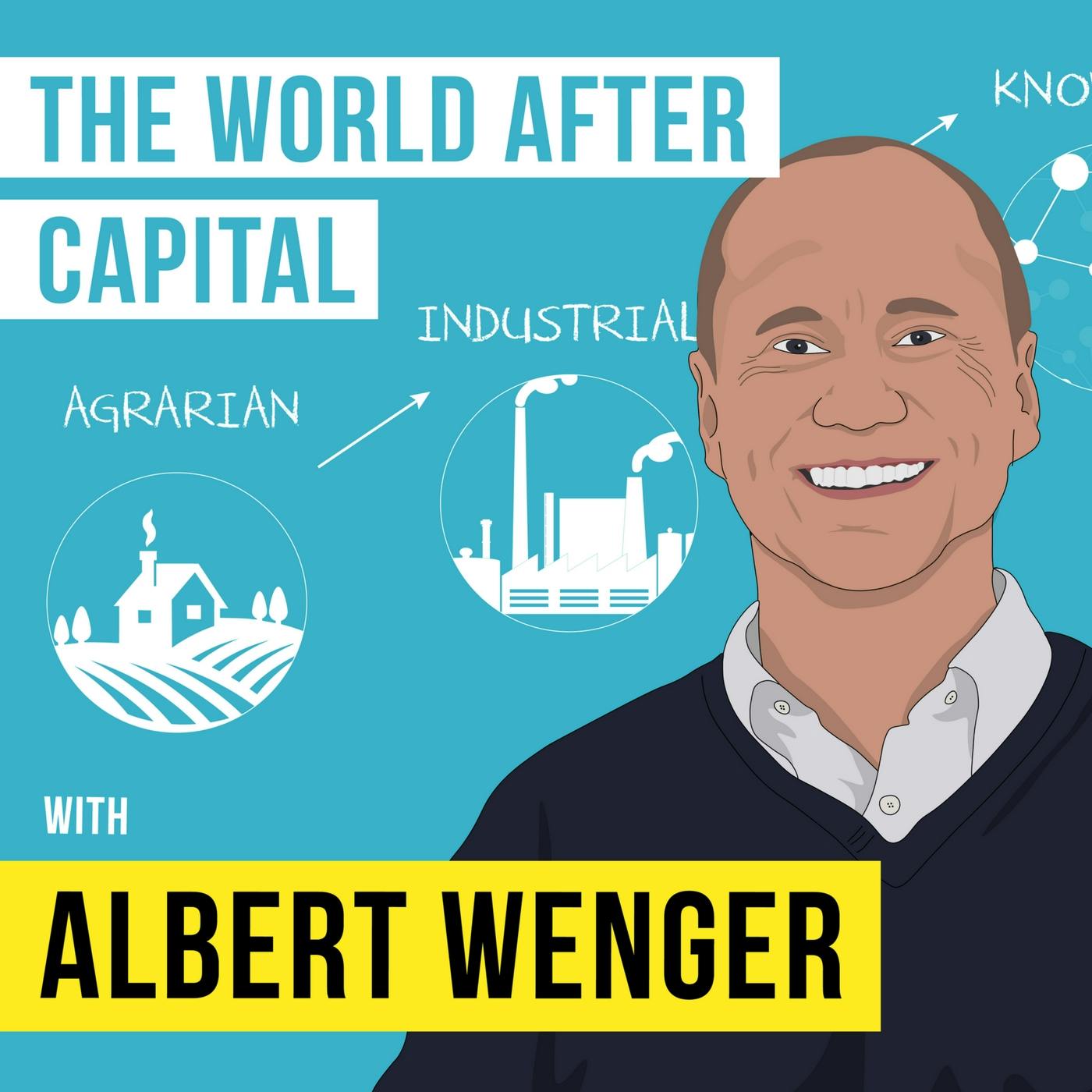
My guest this week is Albert Wenger, a managing partner at Union Square Ventures and the author of the book World After Capital. Albert studied economics at Harvard and earned a PhD in information from technology, but if you’d asked me to guess before looking those up, I’d have guessed that he studied philosophy because of how widely he has thought about the world and the impact of technology. Our conversation is about how technology is changing the world from an Industrial Age to a knowledge age. We explore how cryptocurrencies, low cost computing, and regulation will impact our future and why the transition may require delicate care. I loved this conversation because of my obsession with the concept of scarcity. We explore what has been scarce through time and what may be scarce in the future. Albert is one of the most interesting thinkers I’ve come across and was a pleasure to speak with. I hope you enjoy our conversation. Hash Power is presented by Fidelity Investments For more episodes go to InvestorFieldGuide.com/podcast. Sign up for the book club, where you’ll get a full investor curriculum and then 3-4 suggestions every month at InvestorFieldGuide.com/bookclub. Follow Patrick on Twitter at @patrick_oshag Links Referenced World After Capital Show Notes 2:16 – (First Question) – Defining what it means to be human 2:58 – World After Capital 3:56 – Trans-humans vs neo-humans 4:37 – The concept of Qualia 5:25 – Albert’s investment philosophy= 8:27 – How Albert began his exploration into cryptocurrencies 12:59 – Most exciting things blockchains could enable 14:27 – How does Albert view blockchain technology from the view of an venture capital investor 17:00 - Why Albert thinks that the dominate cryptocurrency of our time may not exist just yet and what he is looking for in protocols that will become the leader in the space 20:16 – What are the central functions that will be important in cryptocurrencies 21:22 - The state of regulation in the cryptocurrency space 27:37 – What has Albert most excited for the future of blockchain 29:10 – The idea of universal basic income 32:26 – How do you solve the problem of giving money value in a world of universal basic income 35:00 – How scarcity has changed over time 39:01 – Role of financial capital in the last 200 years of civilization 42:39 – Are we as a society only capable of solving problems once they become an immediate threat 44:15 – Explaining the idea of attention as a scarce resource 47:56 – The two key drivers of change; zero marginal cost distribution and universality of computational power 53:13 - What should we as investors and inventors be focusing on as the new objective function 57:24 – Scariest aspect of this transition into the knowledge age 59:45 – Three basic freedoms we all seek; informational, economic, psychological 1:02:13 – Fermi’s paradox and the scarcity of attention 1:02:56 – How Albert thinks about his own day and wellbeing given all of this information 1:05:01 – Kindest thing anyone has done for Albert Learn More For more episodes go to InvestorFieldGuide.com/podcast. Sign up for the book club, where you’ll get a full investor curriculum and then 3-4 suggestions every month at InvestorFieldGuide.com/bookclub Follow Patrick on twitter at @patrick_oshag